


Flexible Photovoltaic Cell Market: Redefining Solar Energy Integration Possibilities

According to Market Research Future, the flexible photovoltaic cell market is experiencing remarkable expansion as industries recognize the transformative potential of solar cells that conform to curved surfaces, bend without breaking, and integrate seamlessly into products and structures. These advanced photovoltaic devices are fundamentally changing how designers, architects, and engineers approach solar energy integration.
The Technology Behind Flexible Photovoltaics
Flexible photovoltaic cells represent a significant departure from conventional crystalline silicon solar panels. While traditional panels use rigid silicon wafers sandwiched between glass sheets, flexible cells employ thin-film technologies deposited on flexible substrates that accommodate mechanical deformation.
Substrate Materials
The foundation of flexible photovoltaic technology lies in substrate selection. Materials must provide mechanical support while remaining flexible, lightweight, and compatible with high-temperature deposition processes.
Polymer Films: Polyimide, PET, and other high-performance polymers offer excellent flexibility and thermal stability. These substrates enable roll-to-roll manufacturing that dramatically reduces production costs.
Metal Foils: Stainless steel and aluminum foils provide robust substrates capable of withstanding high-temperature processing. Metal substrates also enable direct electrical connection, simplifying module design.
Thin Glass: Ultra-thin glass substrates offer transparency and barrier properties superior to polymers while maintaining sufficient flexibility for curved applications.
Active Layer Technologies
The photovoltaic active layers determine efficiency, spectral response, and stability characteristics:
Amorphous Silicon: Thin-film silicon deposited at low temperatures offers moderate efficiency with excellent flexibility. While efficiency lags crystalline silicon, amorphous silicon performs well under diffuse light and high temperatures.
Cadmium Telluride: CdTe cells achieve efficiency approaching crystalline silicon while enabling flexible configurations. Cadmium telluride's direct bandgap provides excellent spectral response.
Copper Indium Gallium Selenide: CIGS cells deliver the highest efficiency among flexible thin-film technologies. Their tunable bandgap enables optimization for specific spectral conditions.
Perovskites: Rapidly emerging perovskite cells combine high efficiency with solution processing compatibility. Their flexibility and lightweight characteristics make them ideal for emerging applications.
Organic Photovoltaics: Carbon-based OPV cells offer transparency, color tunability, and ultra-thin form factors. While efficiency remains lower than inorganic alternatives, OPV enables unique aesthetic applications.
Market Drivers Accelerating Adoption
Expanding Addressable Applications
Flexible photovoltaic cells enable solar integration into products and structures where rigid panels cannot go:
Architectural Integration: Curved facades, roofing membranes, and architectural elements incorporate solar generation without compromising design intent.
Transportation: Vehicle-integrated solar extends electric vehicle range while reducing charging requirements for conventional vehicles.
Consumer Products: Solar charging integrated into portable electronics eliminates battery anxiety while supporting sustainability messaging.
Wearable Technology: Solar-powered smartwatches, fitness trackers, and health monitors enable continuous operation without charging interruptions.
Internet of Things: Self-powered sensors and communication nodes eliminate battery replacement, reducing maintenance costs for distributed networks.
Sustainability Pressures
Organizations across sectors face growing pressure to demonstrate environmental responsibility. Flexible photovoltaic cells enable renewable generation in applications where conventional solar proves impractical, supporting corporate sustainability commitments and regulatory compliance.
Remote Power Requirements
Military operations, disaster response, and remote infrastructure require portable power solutions. Flexible photovoltaic cells offer lightweight, durable alternatives to traditional solar panels and fuel generators, enabling extended operation without supply chain dependencies.
Manufacturing Economics
Roll-to-roll production processes enable continuous manufacturing at scale, reducing costs while increasing output. These methods leverage established printing and coating industries, accelerating technology adoption and cost reduction.
Application Segments Driving Growth
Building-Integrated Photovoltaics
Building-integrated photovoltaics represents one of the fastest-growing application segments for flexible cells. Architectural applications including facades, windows, and roofing membranes increasingly incorporate flexible solar cells, transforming buildings from energy consumers to generators.
Aesthetic considerations drive adoption of semi-transparent and colored options that maintain architectural intent while generating renewable energy. Building-integrated photovoltaics eliminates the need for separate mounting structures, reducing installation costs while improving appearance.
Consumer Electronics
Solar charging capabilities increasingly appear in consumer devices, from Bluetooth speakers to e-readers. Flexible cells enable integration without compromising product design or adding excessive weight. The growing demand for always-connected devices drives adoption across multiple product categories.
Automotive Integration
Vehicle manufacturers increasingly incorporate solar cells into roofs, hoods, and body panels. Flexible cells accommodate curved surfaces while maintaining durability against vibration and weather exposure. Solar range extension reduces charging frequency for electric vehicles while improving fuel efficiency for conventional vehicles.
Aerospace and Defense
Satellites, drones, and portable military equipment benefit from flexible PV's high power-to-weight ratio and durability under extreme conditions. These applications prioritize performance over cost, enabling premium technology adoption while driving technology development.
Agricultural Applications
Greenhouse integration, remote sensors, and portable equipment benefit from flexible PV's compatibility with diverse environments. Solar-powered irrigation and monitoring systems improve agricultural efficiency while reducing environmental impact.
Regional Market Analysis
Asia-Pacific Manufacturing Leadership
China, Japan, and South Korea host major flexible PV manufacturing capacity, leveraging established electronics and display industries. These countries drive both production volume and technology development through significant research investment.
Europe Innovation Focus
European research institutions and companies pioneer flexible PV technologies, particularly organic and perovskite cells. Strong sustainability policies support market development and technology adoption across the continent.
North America Application Development
North American companies focus on high-value applications including aerospace, defense, and premium consumer products where performance justifies premium pricing. Venture capital supports startup innovation while established manufacturers invest in technology capabilities.
Technical Challenges and Solutions
Efficiency Limitations
Flexible cells generally deliver lower efficiency than rigid crystalline silicon panels. Ongoing research targets efficiency improvements through advanced materials and device architectures, with perovskite tandems showing particular promise for closing the efficiency gap.
Durability Requirements
Flexible cells must withstand repeated bending, environmental exposure, and mechanical stress. Encapsulation technologies and robust materials address these concerns, extending operational lifetime while maintaining flexibility.
Manufacturing Scale-Up
Transitioning from laboratory to high-volume production requires significant investment in manufacturing infrastructure and process optimization. Roll-to-roll processing advances continue improving economics while enhancing quality control.
Cost Competitiveness
While flexible PV offers unique capabilities, cost per watt remains higher than conventional panels. Manufacturing scale and technology improvements will drive cost reduction, expanding addressable markets across price-sensitive applications.
Future Outlook and Opportunities
The flexible photovoltaic cell market appears positioned for substantial growth:
Efficiency Improvements: Perovskite and tandem technologies promise efficiency approaching or exceeding conventional silicon, dramatically expanding application possibilities.
Cost Reduction: Manufacturing scale and process improvements will enhance cost competitiveness, enabling broader adoption across price-sensitive applications.
Application Expansion: New use cases will emerge as designers recognize flexible PV's capabilities, from smart cities to precision agriculture.
Integration with Storage: Combined flexible PV and battery systems will enable standalone power solutions for remote and portable applications.
Sustainability Focus: Development of recyclable and environmentally benign flexible PV will address end-of-life concerns while supporting circular economy principles.
Conclusion
The flexible photovoltaic cell market represents solar energy's next frontier, extending photovoltaic generation into applications and environments beyond conventional panel capabilities. As technology matures and costs decline, flexible solar will become increasingly ubiquitous, powering devices, vehicles, and structures in ways that seamlessly integrate energy harvesting into everyday life. The market's future depends on continued innovation, manufacturing scale-up, and creative application development that recognizes flexible PV's unique value proposition.
Gain a competitive edge with insightful Industry reports:
India City Gas Distribution Industry
Asia Pacific Centrifugal Pump Industry
India Renewables Energy Industry
Single Acting Hydraulic Cylinder Industry
Deep Hole Drilling Machines Industry
Kategorien
Mehr lesen
Существуют сегодня опытные специалисты, что могут произвести ремонт практически всего. Другие же ремонт превратили в хобби, что на сегодняшний момент считается довольно востребованным и популярным. Тут стоит осознавать - отремонтировать возможно будет очень многое и вместе с тем определенные механизмы даже улучшить, обновив контур охлаждения, либо добавив полезные функции. Где возможно...

The protection of personnel and facilities from hazardous gas releases essential for oil and gas operations is being enabled by gas detection systems that provide continuous monitoring across upstream, midstream, and downstream facilities. Findings from Market Research Future indicate that oil and gas represents a significant end-user segment for gas detection equipment. Report Key...

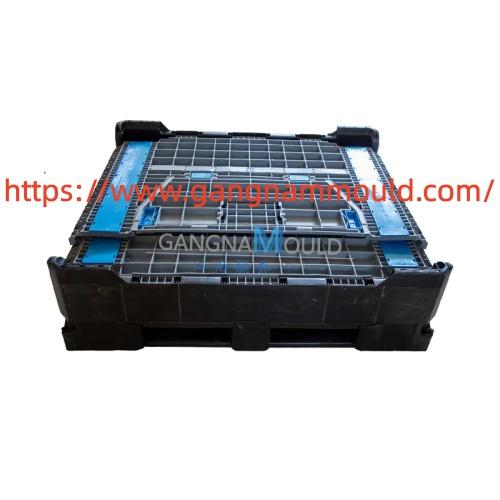
Logistic Pallet Mould selection involves several technical decisions that can affect product dimensions, structural performance, production efficiency, and maintenance requirements. Buyers should examine cavity construction, plastic resin compatibility, cooling design, ejection structure, machine conditions, expected output, and application requirements before confirming an order. A...
Assessing the BNPL payment solutions Market Size involves measuring total global gross merchandise value and cumulative transaction volumes across retail, travel, and healthcare verticals. Quantitative metrics indicate steady multi-fold expansion as consumers worldwide embrace alternative digital credit products. The dimensional scope encompasses diverse application tiers, ranging from...

Biotechnology has significantly transformed the cultivation and commercialization of micro algae, making it one of the most promising sectors in sustainable production. Micro algae are microscopic photosynthetic organisms that can produce valuable compounds such as proteins, lipids, pigments, and bioactive molecules. These organisms are widely used across industries including pharmaceuticals,...