Culture Media and Growth Requirements
Bacteria have diverse nutritional and environmental requirements, and successful culture depends on providing appropriate conditions. Culture media supply nutrients, while environmental factors such as temperature, pH, and oxygen influence growth. Understanding these requirements is essential for microbiologists and for manufacturers developing culture products.
Culture media can be classified as defined (synthetic) or complex (undefined). Defined media contain known quantities of specific chemicals, while complex media contain ingredients such as yeast extract, peptones, and blood, whose exact composition is not fully known. Media can be selective, supporting the growth of certain organisms while inhibiting others, or differential, allowing distinction between organisms based on their characteristics. Enriched media support the growth of fastidious organisms. Each type serves specific purposes in research and diagnostics. The choice of media affects experimental results and diagnostic accuracy, and it drives demand for a range of products. The Bacterial Cell Culture Market reflects this, with media representing a significant segment.
Environmental conditions are equally important. Temperature, pH, oxygen, and other factors must be optimized for each organism. Incubators, shakers, and bioreactors provide controlled environments. For anaerobic bacteria, specialized equipment and techniques are needed. These requirements drive demand for equipment and supplies. For researchers, understanding growth requirements allows successful culture and meaningful results. For manufacturers, providing reliable, high-quality media and equipment supports their customers' work. As new organisms are studied and new applications emerge, culture requirements will evolve, and products will adapt to meet them.
People Also Ask
What are the types of culture media?
Types include defined and complex media, selective and differential media, and enriched media, each serving specific purposes in culturing bacteria.
What environmental conditions affect bacterial growth?
Temperature, pH, oxygen availability, and nutrient availability all affect bacterial growth, and must be controlled for successful culture.
Tags: #CultureMedia #Microbiology #BacterialGrowth #LaboratoryTechniques #LifeSciences #Biotechnology
Categorías
Read More
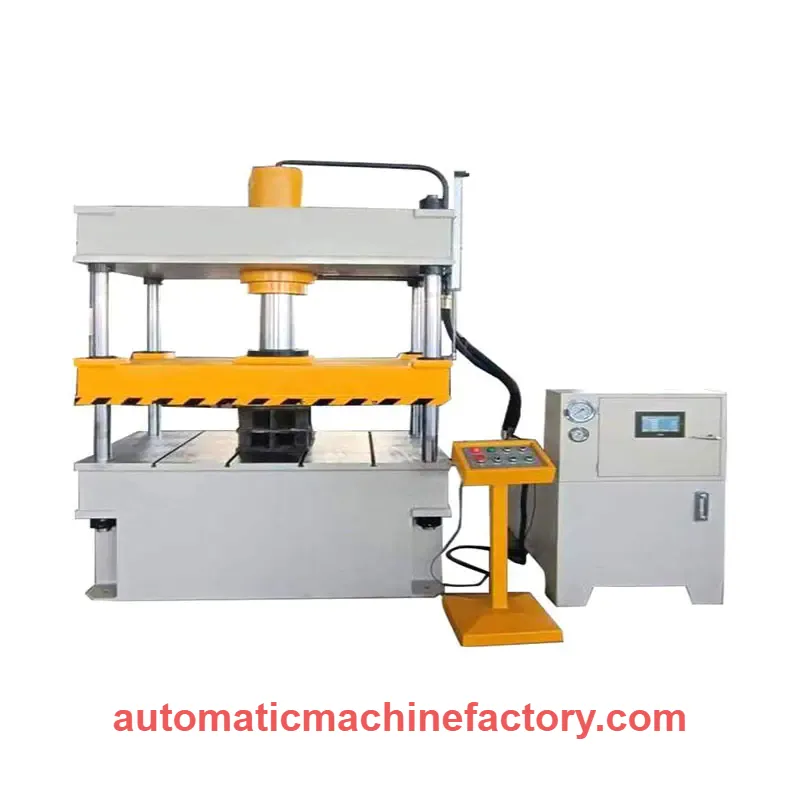
A manufacturer stamps a deep pan from sheet metal. The mechanical press reaches bottom dead center and delivers peak force for an instant. The part springs back unevenly. A Hydraulic Press from Automaticmachinefactory, produced by TARUN, applies full tonnage from contact to the end of stroke. This difference changes what shapes a shop can form. Yet many buyers choose mechanical presses for...
Packaging has become an important bridge between product presentation and transportation efficiency. POF Shrink Film from jtpackage offers a practical solution for businesses seeking flexible wrapping materials suitable for retail, manufacturing, logistics, and distribution applications. Thoughtful packaging choices contribute to organized workflows while supporting product appearance...

Market Research Future reports that the global Autonomous Crane Market is on a significant growth path, projected to expand from USD 3.24 billion in 2025 to USD 8.10 billion by 2035, at a CAGR of 9.62%. A key enabling technology for this growth is Autonomous crane remote control , which allows operators to control heavy lifting equipment from a safe distance, dramatically improving...

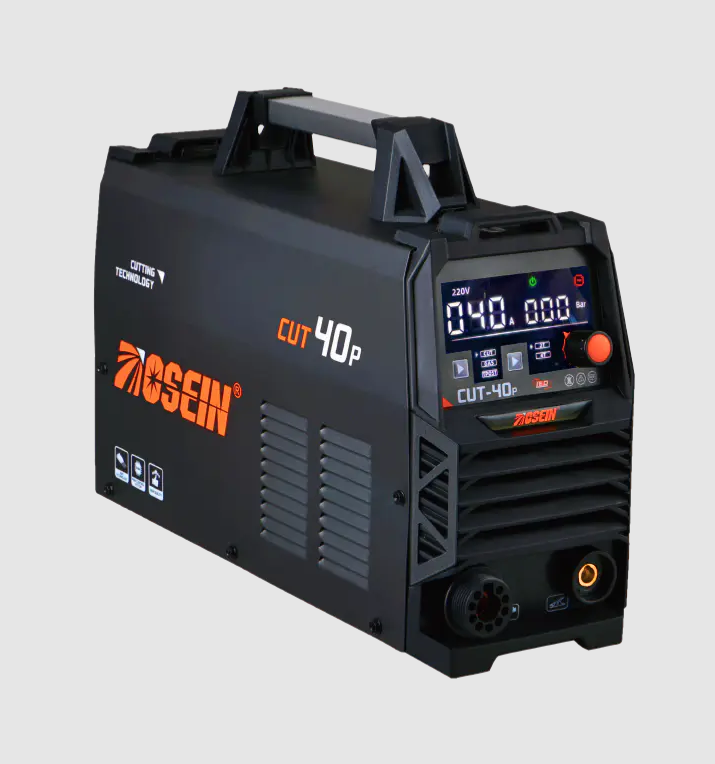
Production efficiency has become a major consideration for fabrication workshops, steel processing facilities, and equipment manufacturers. Beyond cutting speed alone, operating expenses such as consumable replacement, maintenance downtime, energy consumption, and labor requirements directly influence manufacturing costs. A Non-Touch Plasma Cutting Machine offers several practical...
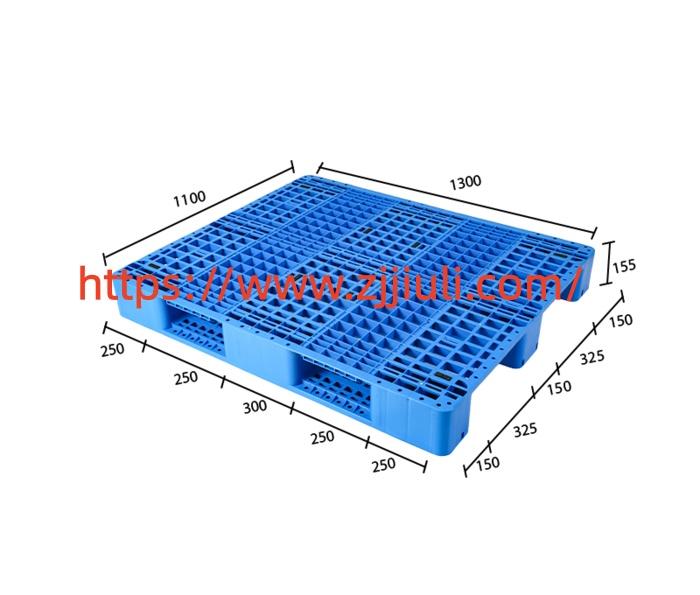
Industrial Plastic Pallets form the foundation for efficient movement and storage of goods in warehouses factories and distribution centers. Selecting the right ones requires careful attention to the weight of items the way they rest on the surface and the equipment used for lifting or transport. Static capacity refers to support while units rest on a solid floor dynamic capacity covers...