


The Bendy Bus Revolution: How Articulated Buses Bendy Design Transforms Urban Transit
Recent findings suggest that urban transportation systems worldwide are grappling with increasing passenger demands, congested roadways, and environmental pressures that demand innovative solutions. According to Market Research Future, the articulated buses market was valued at USD 8.947 billion in 2024 and is projected to reach USD 17.51 billion by 2035, exhibiting a compound annual growth rate of 6.29%. At the heart of this growth is the distinctive Articulated buses bendy design, which enables these vehicles to carry significantly more passengers while maintaining the maneuverability required for navigating tight urban streets.
The defining feature of articulated buses is the flexible joint, or articulation, that connects two rigid sections of the vehicle. This joint allows the bus to bend in the middle, enabling the rear section to track behind the front section as the vehicle navigates turns. This design enables buses that are 18 meters or longer to navigate corners that would be impossible for a rigid bus of equivalent length. The articulation joint incorporates sophisticated hydraulic or pneumatic systems that control the bending motion, ensuring stable and predictable handling characteristics. Modern articulation systems also include safety features that prevent jackknifing and maintain vehicle stability under all operating conditions.
The capacity advantages of articulated buses are substantial. A standard 12-meter rigid bus typically accommodates 70 to 90 passengers, while an 18-meter articulated bus can carry 120 to 160 passengers. Double-articulated buses, which incorporate two articulation joints and can exceed 24 meters in length, can accommodate up to 220 passengers. This increased capacity enables transit agencies to move more people with fewer vehicles, reducing labor costs, fuel consumption, and road congestion. During peak commuting hours, articulated buses provide the capacity needed to handle surges in passenger demand without the expense of operating additional vehicles.
The articulation technology has evolved considerably since the first articulated buses entered service in the 1960s. Early designs used simple mechanical joints that provided limited control over the bending motion, resulting in challenging handling characteristics. Modern articulated buses employ sophisticated electronic control systems that actively manage the articulation joint, adjusting its behavior based on vehicle speed, steering angle, and road conditions. These systems ensure that the bus behaves predictably and safely, even in challenging situations such as tight turns or slippery surfaces.
The environmental benefits of articulated buses align with broader sustainability goals. By carrying more passengers per vehicle, articulated buses reduce the number of vehicles required to serve a given route, lowering overall fuel consumption and emissions. The availability of hybrid, electric, and hydrogen fuel cell powertrains in articulated bus configurations enables transit agencies to achieve significant reductions in carbon emissions. Electric articulated buses, in particular, offer zero tailpipe emissions and reduced noise, improving urban air quality and quality of life for residents.
The application of articulated buses extends beyond traditional urban transit. Airport shuttle services use articulated buses to transport passengers between terminals and parking areas efficiently. Tourism operators employ articulated buses for sightseeing tours, providing comfortable transportation for large groups. Employee shuttle services at major employment centers use articulated buses to move workers between parking facilities and workplaces. Each application benefits from the combination of high capacity and maneuverability that articulated buses provide.
The challenges facing articulated bus adoption include higher initial costs compared to rigid buses, the need for specialized maintenance facilities and training, and infrastructure considerations such as adequate turning radii and bus stop design. Articulated buses require more space at bus stops to accommodate their length, and the articulation joint requires regular inspection and maintenance to ensure safe operation. These challenges are manageable with proper planning and investment but must be considered when evaluating articulated bus deployment.
Looking ahead, the future of articulated buses will be shaped by continued technological advancement and evolving urban mobility needs. The integration of smart transit systems, including real-time tracking, passenger information systems, and automated fare collection, enhances the passenger experience and operational efficiency. The development of autonomous articulated buses promises to further reduce operating costs and improve safety. Advancements in battery technology will extend the range of electric articulated buses, enabling their deployment on longer routes. For comprehensive market insights and technology trends, explore the detailed Articulated Buses Market report.
Uncover future growth patterns with expert-driven reports:
Comprehensive Car Care Services Market
Computer Component Manufacturing MRO Services Market
Computer Network Security Systems MRO Services Market
Categorii
Citeste mai mult
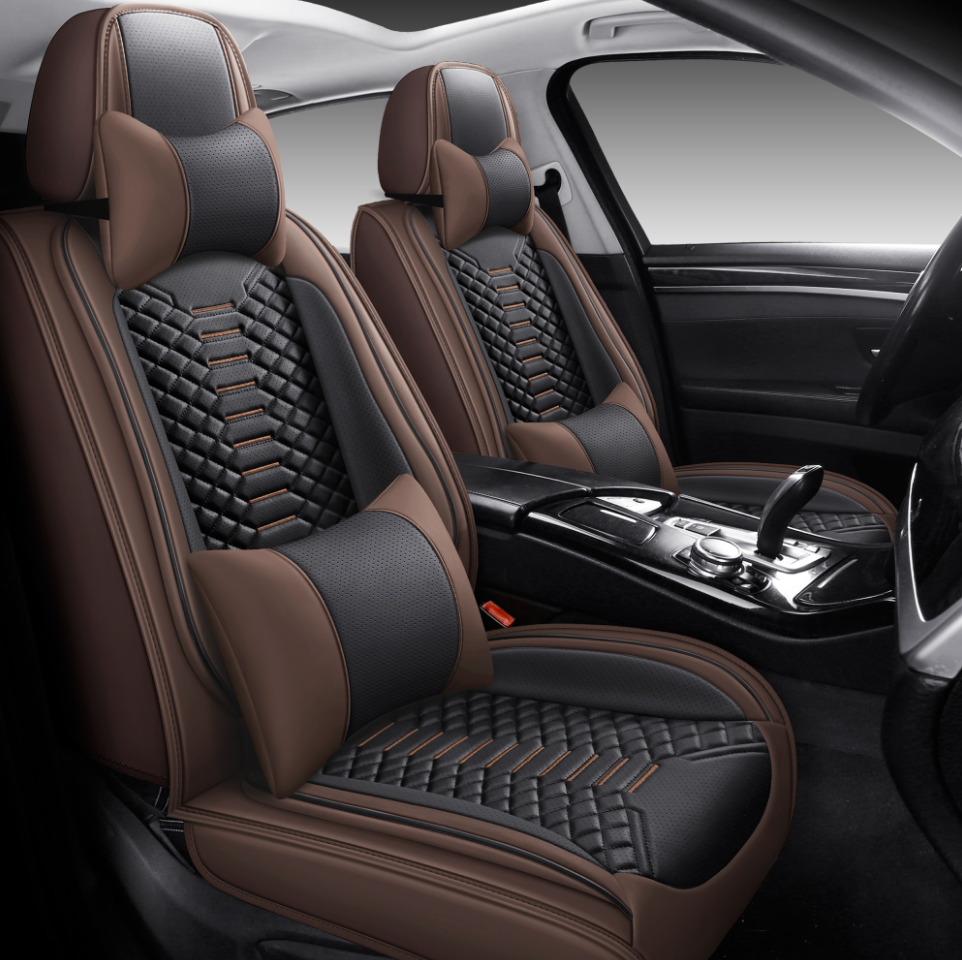
Automotive interior protection is not a one-size-fits-all solution. A Custom Car Seat Cover is designed to adapt to various driving lifestyles, offering specialized performance depending on user needs. For family vehicles, spill resistance and easy cleaning are top priorities. Materials with waterproof coatings or polyurethane layers help prevent liquid penetration from food or beverages....
Global Wafer Testing Probe Market is experiencing a pronounced upward trajectory, propelled by the relentless scaling of semiconductor node architectures and the accelerating adoption of advanced packaging solutions. While specific monetary values remain confidential, industry analysts concur that the market is set to expand substantially through 2032, reflecting a robust compound annual growth...

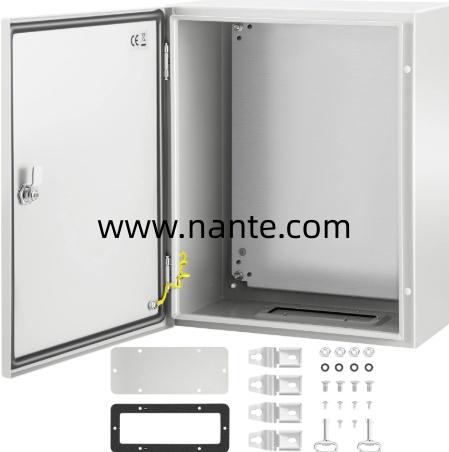
Electrical Outdoor Box solutions have become an important part of organized exterior electrical installations, and Nante brings thoughtful enclosure design into applications where protection, accessibility, and practical installation need to work together. Outdoor electrical environments can expose equipment to moisture, dust, temperature changes, accidental contact, and other surrounding...
Market Overview and Growth Drivers Online Automotive Market Growth reflects the accelerating digital transformation of the automotive industry, with the sector valued at 54.6 billion USD in 2024 and projected to reach 150 billion USD by 2035. The market's robust 9.6% CAGR is fueled by increasing consumer preference for online vehicle purchasing and the expansion of e-commerce platforms in...
The battery production machine market is poised for exponential growth, with a forecasted valuation of USD 78.38 billion by 2035. Starting from a base of USD 30.03 billion in 2024, the industry is projected to witness a robust compound annual growth rate (CAGR) of 9.10%. This trajectory is driven by the increasing demand for more efficient battery production methodologies, especially in...