Which Details Matter When Choosing sweelin-motor For Projects?
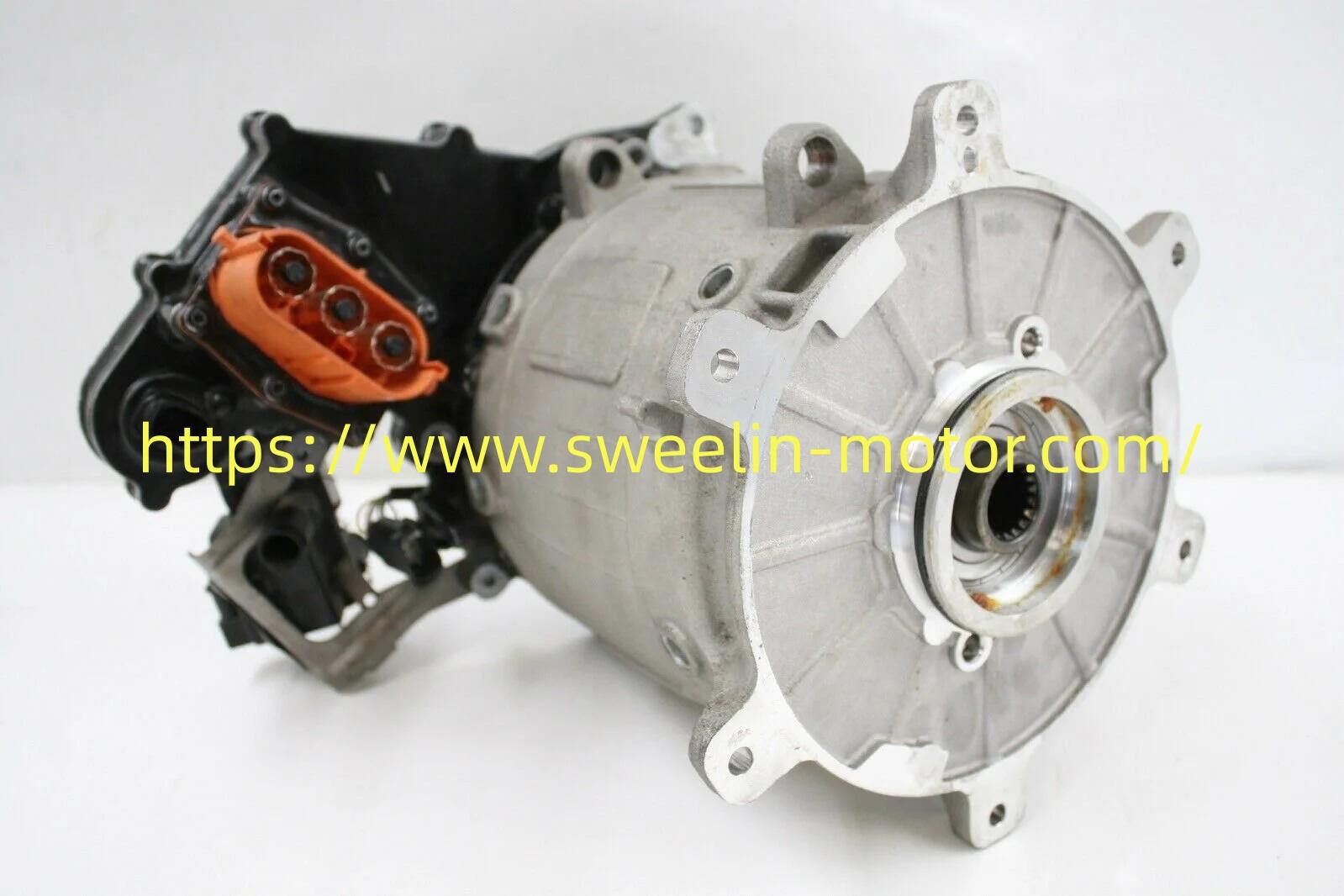
OEM Custom Electric Motor selection should begin with the equipment application rather than a standard catalog. Different machines can require different electrical parameters, dimensions, mounting structures, operating conditions, and control methods. Buyers should therefore provide clear technical information before asking for a customized solution. A structured discussion at the beginning can help both parties establish realistic specifications and reduce unnecessary changes during later stages.
Define the Application Clearly
The intended application provides an important starting point for customization. Buyers should explain what type of equipment the unit will be installed in and how it will operate during normal use.
Useful information may include operating time, load conditions, available installation space, ambient temperature, humidity, expected operating frequency, and noise considerations. If the unit will operate continuously or under changing loads, these conditions should also be communicated.
Photos, equipment drawings, installation diagrams, and existing samples can help the engineering team understand the application more accurately. When space is limited, dimensional information becomes especially important.
Confirm Electrical Requirements
Electrical parameters should be documented before development begins. Buyers can provide rated voltage, frequency, power, current, speed, torque, insulation requirements, and starting conditions according to the equipment specifications.
Market requirements should also be considered when the finished product will be shipped to different regions. Voltage and frequency requirements may vary depending on the destination and application.
Control interfaces should be discussed as well. Some projects may require particular wiring, connectors, sensors, speed-control methods, or communication interfaces. Putting these details into a written specification can provide a shared reference for the entire project.
Check Installation Dimensions
Physical compatibility is just as important as electrical performance. Buyers should provide accurate drawings when the customized unit needs to fit an existing machine.
Relevant measurements may include shaft diameter, shaft length, mounting-hole positions, housing dimensions, connector location, rotation direction, and overall installation space.
A small dimensional difference can create difficulties when the product is installed into existing equipment. For this reason, buyers should confirm critical measurements before sample approval.
When possible, an existing component or physical sample can also be provided for reference. This may help the manufacturer understand the actual installation conditions instead of relying only on written descriptions.
Discuss the Customization Scope
Not every project requires the same degree of customization. Some buyers may need adjustments to wiring, connectors, shafts, or mounting structures, while others may require changes to internal components or operating parameters.
Before development begins, buyers should identify which requirements are essential and which features can remain flexible. This allows the engineering team to focus on the characteristics that directly affect the application.
Tooling requirements should also be discussed in advance. If special tooling, molds, fixtures, or engineering preparation are needed, buyers can factor these elements into the development schedule and purchasing plan.
Review Testing Requirements
Testing procedures should be agreed upon before production. Buyers can ask which characteristics are checked during sample development, production, and final inspection.
Depending on the application, relevant checks may include voltage, current, speed, torque, insulation, temperature rise, vibration, noise, and operating stability.
If the buyer has internal inspection standards, these should be provided before production begins. For customized products, both parties can establish the testing parameters that will be used for sample approval and subsequent production inspection.
A written testing standard gives buyers a clearer basis for checking whether delivered units correspond with the approved specifications.
Examine Production Planning
Customized orders may require engineering preparation before regular manufacturing begins. Buyers should therefore discuss sample schedules, production quantities, tooling requirements, inspection arrangements, packaging, and expected shipment timing.
For repeat orders, it is useful to clarify how approved specifications are recorded and retained. Product drawings, technical sheets, sample records, and inspection requirements can provide useful references for future purchasing.
Buyers should also ask how specification changes are handled. If a component, dimension, or electrical parameter needs to be modified later, both parties should confirm the updated information before production continues.
Pay Attention to Communication
Technical communication plays an important role throughout a customized project. Buyers can prepare a specification sheet that includes application conditions, electrical requirements, dimensions, environmental factors, control interfaces, testing requirements, packaging, and delivery expectations.
sweelin-motor can communicate with buyers about customized configurations according to different equipment requirements. During the sourcing process, purchasers can discuss specifications, samples, testing arrangements, and production planning before confirming an order. Buyers looking for additional product and company information can visit https://www.sweelin-motor.com/product/ to review available options and continue discussions based on their project requirements.
الأقسام
إقرأ المزيد
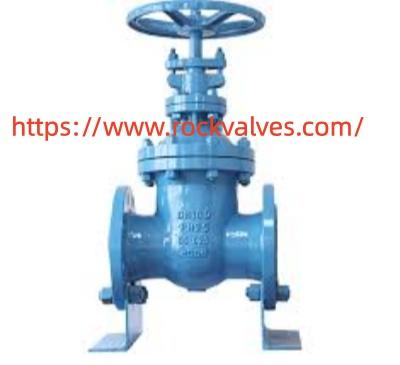
Large Size Cast Steel Gate Valve is widely considered during the planning of heavy duty pipeline systems where stable flow management and reliable operation are required. In large industrial projects, equipment selection involves more than product size. Engineers usually review material structure, system conditions, installation requirements, and future maintenance needs before making a...
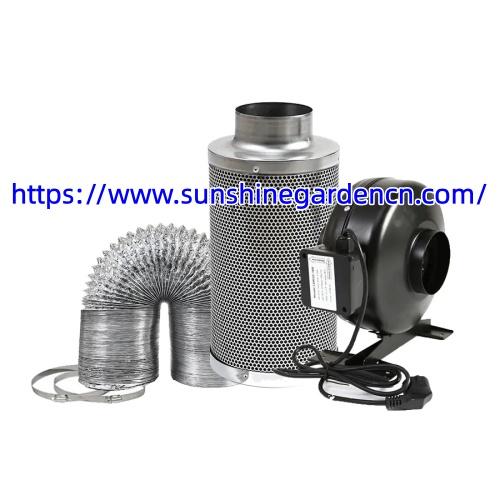
Grow Tent Kit Accessories are an important consideration for buyers preparing an indoor cultivation environment because individual components need to work together rather than operate as unrelated products. Current 2026 buying discussions frequently focus on airflow, environmental monitoring, lighting placement, timers, plant support, drainage, and compatibility between components. Recent...
The CNC Machine Market represents the comprehensive landscape of precision manufacturing innovations, providing the essential technologies that enable efficient, accurate, and high-quality component production through integrated systems of CNC machining centers, CNC turning centers, CNC lathes, CNC milling machines, and specialized equipment designed for maximum production efficiency,...

Zrównoważony rozwój w gamblingu online: Jakendy onlinowe kasyna w 2025 roku przekształcają odpowiedzialne gry i strategię zysków w kontekście ochrony środowiska i społecznej odpowiedzialności W ostatnich latach przemysł gamblingu online przeszedł wiele zmian, które mają istotny wpływ na jego przyszłość. W 2025 roku, oblicza się, że kasyna internetowe nie tylko będą...

Comprehensive Digital Lending Frameworks Require Seamless System Integration For Reliable Multi Channel Operation. Deploying enterprise credit management platforms involves much more than updating user interfaces; it requires a resilient software architecture. Technology leaders selecting an end-to-end Loan Management Software Solution look for platform architectures that seamlessly connect...