Why Should Buyers Compare Gangnammould Trash Bin Mould Designs Carefully
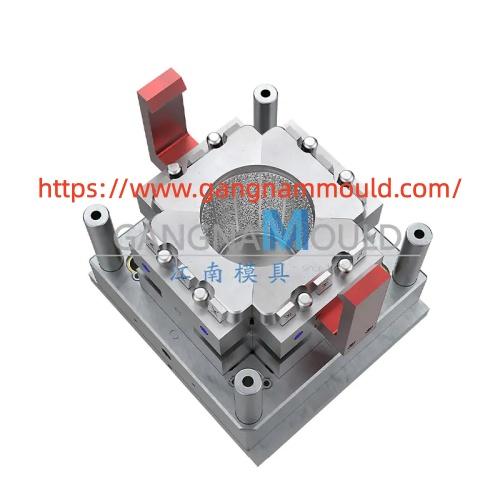
Trash Bin Mould selection can have a direct influence on production stability, part consistency, maintenance planning, and the overall investment required for a plastic container project. Buyers should therefore look beyond the initial quotation and examine how the tooling is designed around the intended product, resin, machine, production volume, and working environment. A detailed technical discussion before manufacturing begins can prevent many avoidable adjustments later.
Product specifications should be the starting point. Buyers need to confirm the container capacity, overall dimensions, wall thickness, lid structure, handle position, wheel area, reinforcing ribs, and other functional details. Large containers may require careful consideration of structural support and demolding because their size can make uneven shrinkage or sticking more noticeable. A clear product drawing or 3D model gives the engineering team a useful reference when planning the cavity, core, parting line, and ejection arrangement.
Material selection also deserves attention. PP and HDPE are commonly used for plastic waste containers, but their processing behavior can vary according to grade, additives, recycled content, and processing conditions. The selected resin should therefore be communicated before the tooling design is finalized. The material choice can influence gate placement, cooling requirements, shrinkage expectations, and surface appearance. Gangnammould provides customized waste container tooling for different applications and commonly used materials such as PP and HDPE.
Cooling is another point that buyers should review carefully. Large plastic products can contain areas with different wall thicknesses, ribs, corners, and deeper sections, making temperature control an important part of the engineering process. Poorly balanced cooling may contribute to deformation, dimensional variation, or longer production cycles. Buyers can discuss channel layout, cooling coverage, and expected production conditions with the manufacturer before machining begins.
The runner and gate arrangement should match the product structure and injection equipment. For a large container, material needs to travel through a relatively large cavity, so flow balance should be considered during the design stage. Buyers can ask whether flow analysis will be performed and whether the proposed gate locations are suitable for the intended material and appearance requirements. This type of review can reveal potential filling concerns before steel processing begins.
Ejection is equally important. A finished part should leave the tooling without excessive force or visible deformation. Depending on the structure, manufacturers may use ejector plates, blocks, air assistance, lifters, or other mechanisms. Buyers should ask how the system will handle areas around handles, corners, ribs, wheel mounting sections, and deeper structures. A practical ejection concept can also make routine maintenance easier because technicians can access important components without unnecessary disassembly.
Steel and component selection should be reviewed according to production expectations rather than based on a single material preference. Different projects may use P20, 718, H13, 2738, S136, or other suitable grades. The appropriate choice depends on factors such as production quantity, corrosion considerations, surface requirements, processing conditions, and maintenance plans. Buyers should also ask about hardness inspection, component specifications, machining accuracy, and replacement parts before approving the final design.
Production equipment compatibility should not be overlooked. The tooling must work within the available injection machine capacity, including platen dimensions, injection volume, mold height, opening stroke, and ejection configuration. If these details are checked only after manufacturing has started, modifications may become more complicated. Sharing the machine specification sheet at the beginning allows the engineering team to consider these constraints during design.
Buyers should also discuss testing and acceptance standards. Important points can include trial samples, dimensional inspection, surface requirements, cooling performance, ejection behavior, cycle expectations, and any special packaging or spare component needs. Clear acceptance criteria make communication easier for both sides and provide a practical reference when the finished tooling is evaluated.
The purchasing decision should ultimately connect technical details with the real production plan. A tooling solution for household containers may have different requirements from one intended for commercial collection systems or outdoor applications. Reviewing the product structure, resin, cooling arrangement, flow system, ejection method, steel specification, machine compatibility, testing procedure, and maintenance plan gives buyers a more complete basis for comparison. For manufacturers looking for customized engineering discussion, production planning support, and plastic tooling solutions, Gangnammould can be reviewed through https://www.gangnammould.com/ to discuss the requirements of a specific project.
Categorias
Leia mais
Platform Ecosystem Development The US Affective Computing Market Platform ecosystem is developing through platforms that combine artificial intelligence, machine learning, emotion recognition, sentiment analysis, and human-computer interaction technologies. Businesses can use these platforms to incorporate affective capabilities into customer service, healthcare, education, automotive,...

Hybrid marine propulsion is at the forefront of the maritime industry's transition towards a cleaner, more sustainable future, combining traditional combustion engines with electric power to drastically reduce emissions and fuel consumption. Insights published by Market Research Future indicate that the marine hybrid propulsion system market is on a robust growth trajectory, with...

Baozhiwei Car Led Tail Lights Factory has become a reliable destination for automotive lighting solutions, providing advanced designs for vehicles that require better visibility, style, and safety. Modern drivers increasingly seek lighting systems that not only illuminate the road but also integrate smoothly with vehicle aesthetics. Manufacturers who supply quality components are central to...
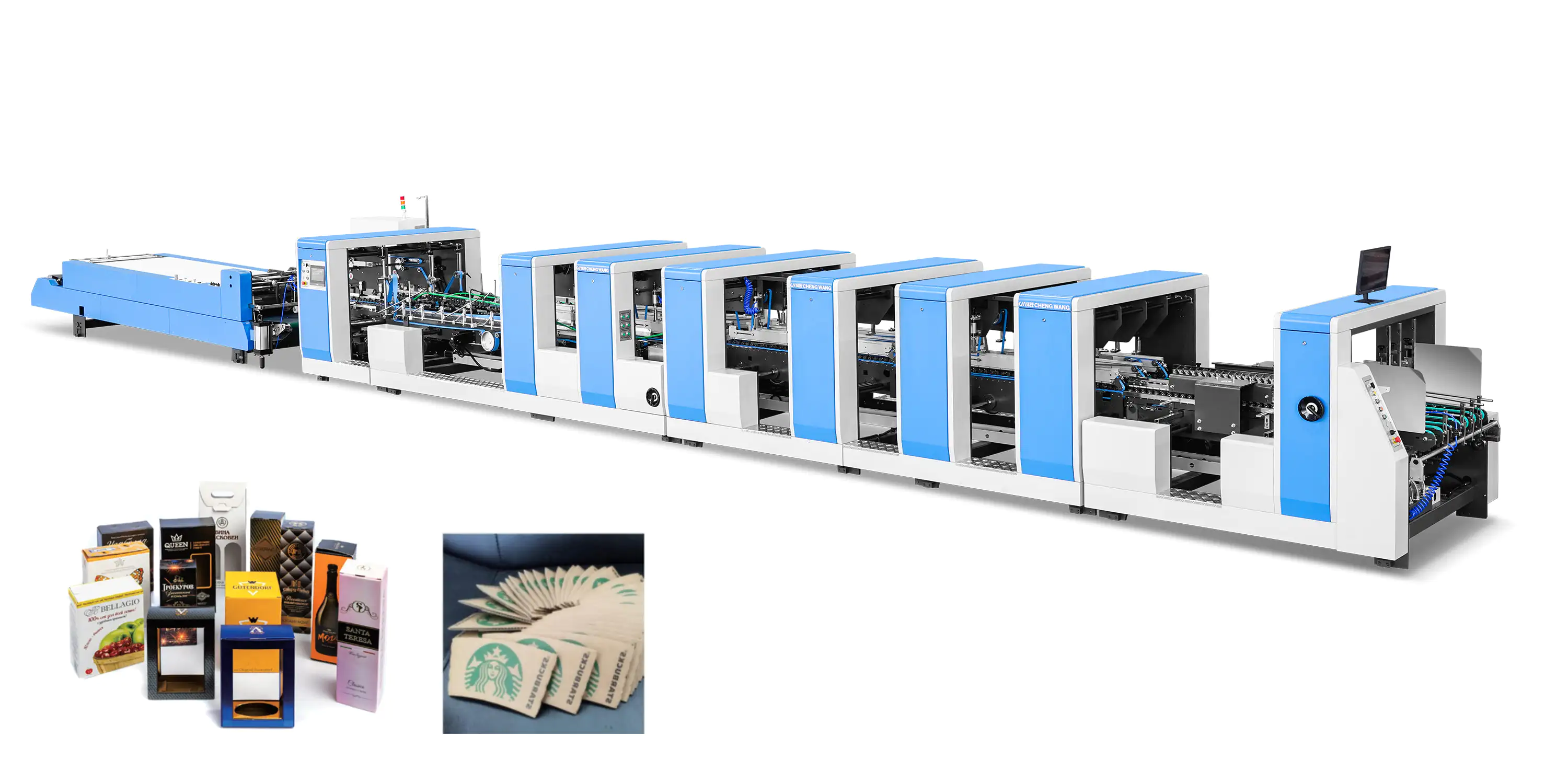
Packaging facilities that rely on efficient box forming equipment regularly seek clear instructions on proper handling techniques and routine care protocols to sustain smooth production flows over extended periods. CenWanMachine operates under Chengwang as a specialist in packaging machinery where teams develop solutions tailored to industry requirements. automatic folder gluer along with...
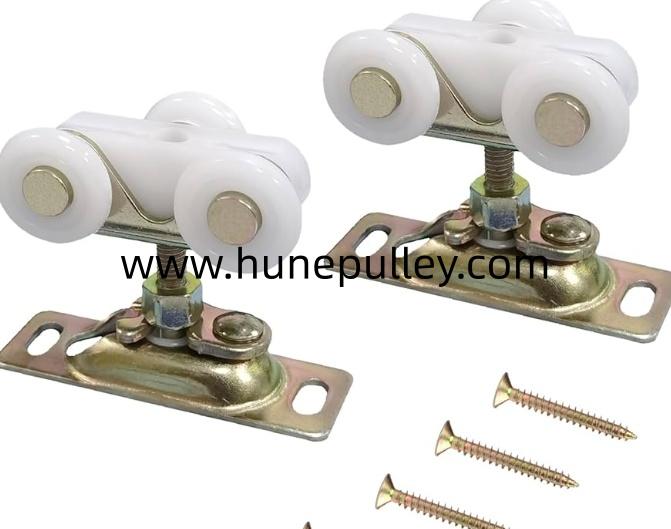
In modern architecture and interior design, the Sliding Door Roller from Hunepulley plays an important role in creating smooth and practical door systems. Whether used in residential settings, commercial environments, or specialized projects, this component contributes to convenient operation, space efficiency, and long-term usability. As contemporary spaces continue to evolve, sliding door...