


Which Automatic Box Folder Handles Corrugated and Cardboard at CenWanMachine
A box shop seldom commits to one board type forever. Corrugated sheets arrive for shipping cases in the morning, and thin cardboard blanks follow for retail packaging by midday. The two materials share a name and little else. Corrugated board carries flutes that add thickness and rigidity, while cardboard stays thin and flexible. An Automatic Box Folder that performs on one stock may stumble on the other, forcing operators to slow the line or reject work. CenWanMachine approaches this problem at the design stage, because shops that serve varied clients cannot afford a single-material machine. What happens when fluted board and thin card meet the same folding section?
Thickness drives the first adjustment. Corrugated sheets run heavier and require wider gaps at the feed gate, the folding rails, and the compression belt. Cardboard passes through with tighter tolerances, and a gap set for corrugated will let thin blanks flutter out of alignment. CenWanMachine builds adjustment travel into these points so operators can shift from one stock to another without dismantling the line. A machine that lacks this range limits the jobs a shop can quote.
Stiffness shapes how a blank folds. Corrugated board resists bending, so crease lines must be deep enough to guide the fold without cracking the liner. Cardboard bends easily, and excessive crease pressure can weaken the seam. Folding rails must apply force in proportion to the material, which means tension settings cannot stay fixed across stocks. CenWanMachine tests equipment with various board grades so buyers understand where adjustments are needed and how quickly they can be made.
Grain direction adds another layer of complexity. Board folds cleanly along the grain and cracks against it, regardless of material. A job that mixes grain directions on one sheet demands careful setup and steady feeding. CenWanMachine designs guide systems that hold the blank square through the fold, which reduces the chance of misaligned seams. A machine that keeps blanks steady through the run produces consistent cartons. A machine that lets blanks drift produces waste.
Glue behavior differs across board types as well. Corrugated surfaces absorb adhesive differently than coated cardboard, and the wrong bead size can starve a seam or flood it. Nozzle placement, pressure, and open time all need review when switching stocks. CenWanMachine positions glue stations where operators can reach them for quick changes, and the company shares guidance on adhesive selection for each material. A shop that masters glue control sees fewer rejects and faster runs.
Feeding systems decide whether a mixed schedule stays practical. Corrugated sheets need suction and belt grip suited to their weight, while thin cardboard needs gentler handling to avoid double feeds. A feeder set for one stock may crush the other or let it slip. CenWanMachine equips its folders with adjustable feed sections so operators can match the system to the board at hand. Quick changeover keeps a varied schedule profitable rather than painful.
Maintenance practices shift with material as well. Corrugated board sheds dust and fiber that collect in belts and guides, while cardboard leaves fine paper residue that builds on rollers. A cleaning routine built for one stock may miss the debris left by the other. CenWanMachine places service points where technicians can clear buildup without long downtime. Clear maintenance guidance helps shops protect uptime across every job they run.
For box makers weighing their options, https://www.cenwanmachine.com/ offers a place to review models and discuss board handling with the CenWanMachine team. An Automatic Box Folder built with wide adjustment and steady feeding serves shops that run corrugated cases, cardboard cartons, and everything between. Why limit your
Κατηγορίες
Διαβάζω περισσότερα
Выкуп машины из Китая на текущий момент стоит по цене куда дешевле. Тем не менее выполнить такую покупку собственноручно очень тяжело и необходимо найти экспертов, что смогут помощь оказать. Сколько же возможно сейчас сэкономить, если купить авто в Китае? Рекомендуем открыть веб сайт https://808auto.ru/cars/jetour/ и посмотреть актуальные предложения. Заметим, стоимость уже включает любые...

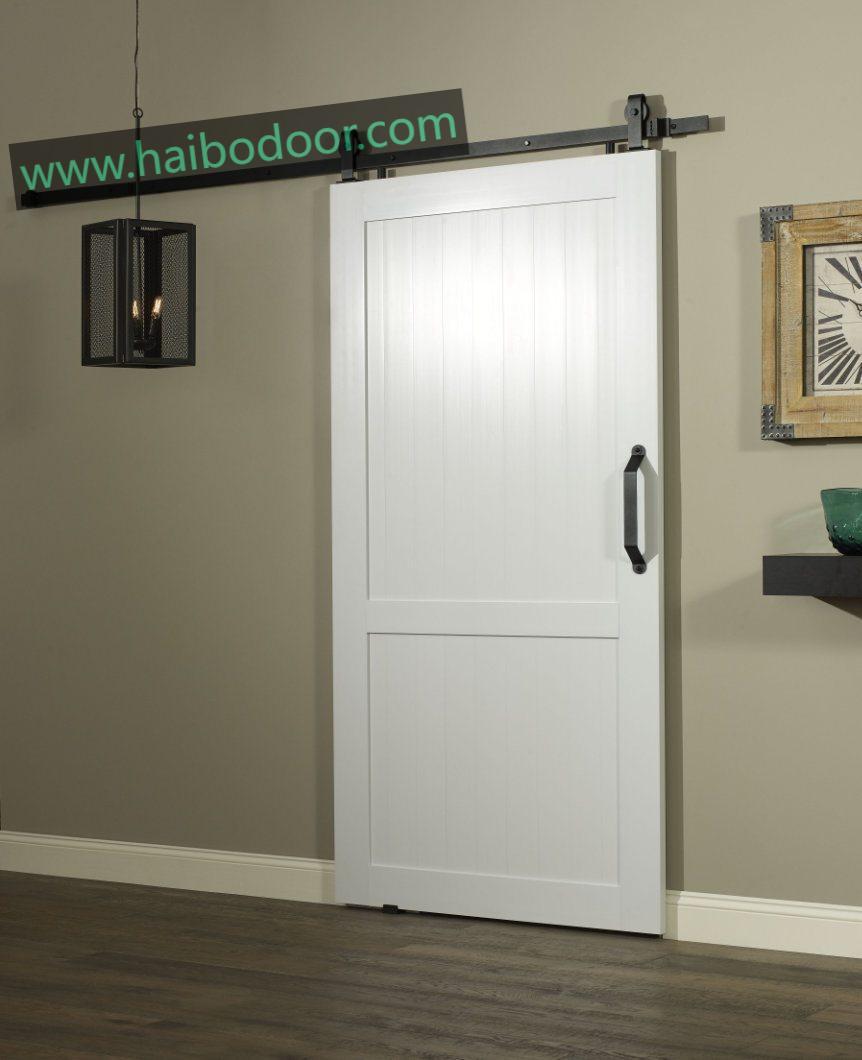
HPL Door Factory selection can influence how smoothly an interior project moves from planning to installation. For residential and commercial buyers, the decision involves more than appearance. Surface finish, internal construction, intended location, moisture conditions, hardware preparation, maintenance requirements, customization options, and production communication can all affect...
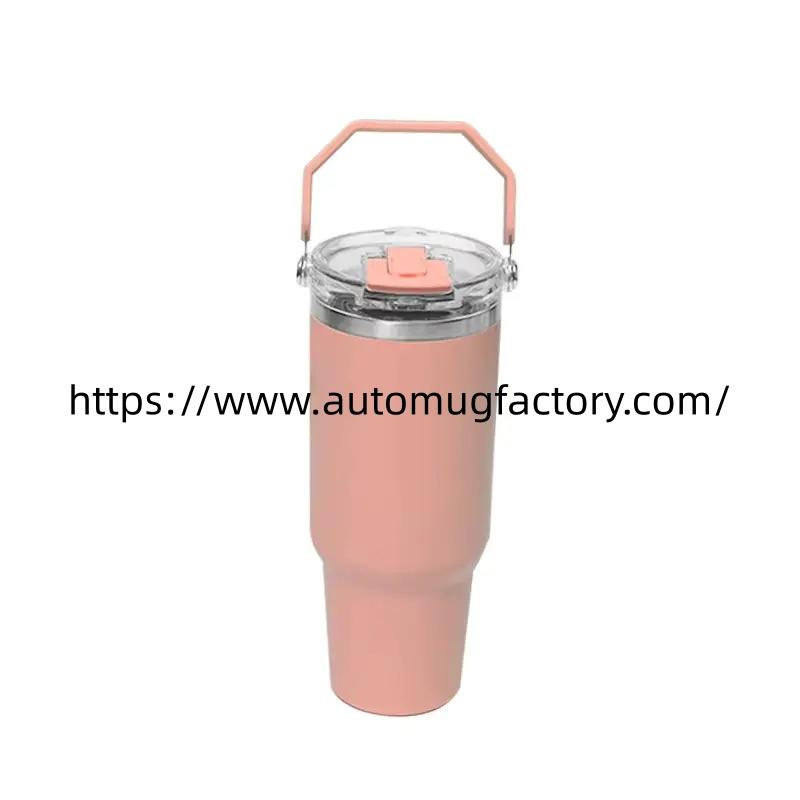
Choosing a reusable drink bottle involves more than selecting a container for beverages. For buyers comparing products from a Stainless Steel Drink Bottle Factory, material quality, construction, usability, maintenance, and visual design all deserve attention. Yongkang Xiaoyu Industry & Trade Co., Ltd. provides a useful manufacturing perspective for understanding how these elements can work...
The compressor oil industry is experiencing a gradual shift toward formulations designed to deliver stronger performance under demanding operating conditions. Although mineral oils continue to serve a broad range of applications, synthetic and semi-synthetic products are gaining interest among customers seeking improved oxidation stability, deposit control, and potentially longer maintenance...
The Nanocrystalline Cores Market is gaining momentum as power-electronics manufacturers seek compact magnetic components with low core losses, high permeability and strong thermal stability. According to Semiconductor Insight, the market is projected to grow from US$ 515 million in 2026 to US$ 1,573 million by 2034, registering a CAGR of 13%. Get Full Report...