Why Does zjgycnc Universal CNC Lathe Configuration Matter?
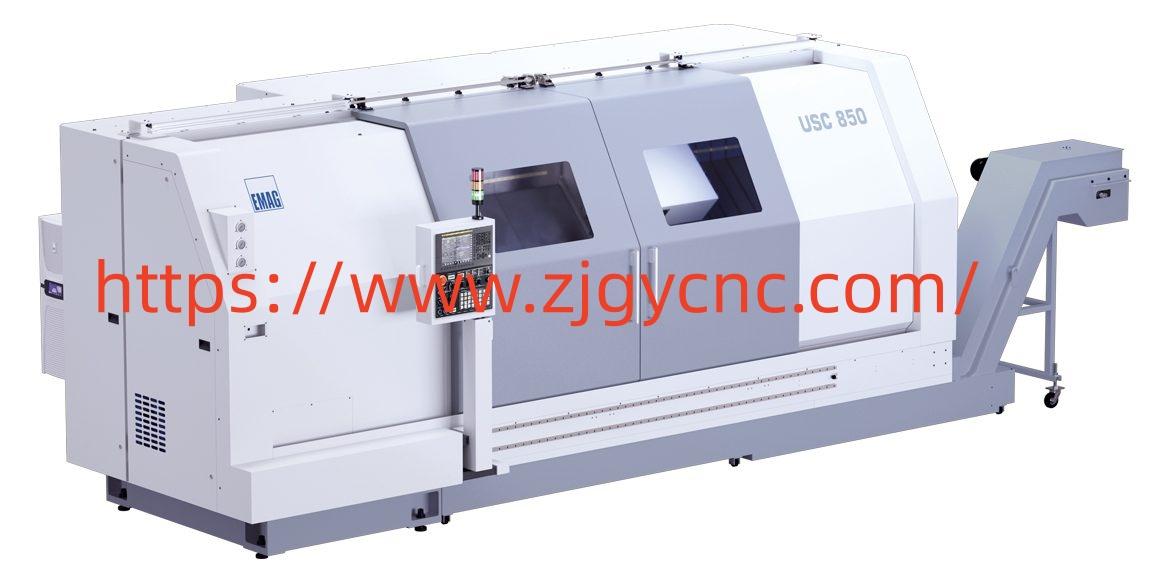
Universal CNC Lathe selection should begin with a clear understanding of the parts and processes planned for the workshop. Buyers can review workpiece dimensions, material types, spindle requirements, guideway construction, tooling, control options, installation space, and maintenance arrangements. For manufacturers seeking different turning configurations, zjgycnc provides several machine options that can be evaluated according to specific production requirements.
Define the Workpiece Range
The parts being produced should guide the equipment selection process. Buyers can prepare information about maximum diameter, machining length, internal bore size, workpiece weight, and material type before discussing a machine with a supplier.
A workshop producing small shafts may have different requirements from a factory machining larger sleeves or industrial components. Production quantity also matters. Repeated batch orders may require different setup and tooling arrangements compared with workshops handling frequently changing custom jobs.
By preparing several representative part drawings in advance, buyers can give the manufacturer a clearer understanding of the intended application. This can make model comparison more practical and reduce the possibility of choosing equipment that does not fit the planned workload.
Examine Spindle Requirements
The spindle is central to turning operations, so buyers should pay attention to speed range, motor power, spindle bore, chuck compatibility, bearing arrangement, and the type of material being processed.
Low-speed cutting with harder materials can place different demands on the drive system compared with high-speed finishing of smaller parts. Buyers should therefore evaluate the complete cutting process rather than selecting a specification based only on maximum speed.
The zjgycnc product range includes different spindle configurations. Its small economical precision model, for example, uses a high-torque servo motor and precision bearing arrangements designed to support both radial and axial loads.
The appropriate configuration should ultimately be matched with the actual workpiece and cutting conditions.
Compare Guideway Construction
Guideway design can influence machine movement, cutting behavior, maintenance requirements, and suitability for different workloads. Buyers can compare hard rail and linear rolling guideway configurations according to the type of machining they perform.
Different structures can serve different purposes. A workshop focused on heavier cutting may have different priorities from one processing smaller components where movement and positioning are important.
The product range from zjgycnc includes both inclined-bed configurations using linear rolling guideways and models using hard rail structures.
When reviewing these options, buyers should consider material hardness, cutting force, workpiece size, expected production frequency, and the desired operating method.
Review Tooling Requirements
Tooling should be discussed before the equipment is purchased. Buyers can identify the number of tools required for typical parts, the dimensions of tool holders, boring tool requirements, and whether manual or automatic tool changes are suitable.
A production line making several part types may benefit from a configuration that allows operators to prepare different tools without repeatedly changing the basic setup.
Buyers should also consider how tool access affects inspection and maintenance. A practical tooling arrangement can make daily production easier to organize and may reduce unnecessary setup work when switching between approved programs.
Check the Control System
The control system should fit the operator's working habits and the complexity of the intended machining programs. Buyers can compare available system brands, programming functions, interface design, axis control, and compatibility with existing equipment.
For factories that already have experienced operators, a familiar control environment can simplify training. For new users, interface layout and technical support may receive more attention.
zjgycnc states that it supports different control system options, including domestic and international systems such as GSK, KND, FANUC, and Siemens, depending on machining requirements, operating preferences, and budget.
The best choice for a project depends on the factory environment and the type of work being performed.
Consider the Factory Environment
Equipment selection should also include the installation location. Buyers need to check machine dimensions, floor space, power supply, material handling routes, operator access, coolant arrangements, and maintenance clearance.
For example, a machine may fit the required workpiece range but still create problems if there is insufficient room for loading materials or accessing service points.
Before ordering, manufacturers can prepare a basic workshop layout showing where the machine will be placed and how materials will enter and leave the production area. This simple step can help identify practical issues before installation.
Arrange Sample Testing
Sample testing is useful when the buyer has specific machining requirements. Providing representative workpieces or drawings allows the supplier to evaluate the proposed configuration under conditions closer to the intended application.
During testing, buyers can review dimensional results, surface condition, tool behavior, machining procedures, and operator interaction. They can also discuss whether a particular spindle, guideway, chuck, or tooling arrangement needs adjustment.
For customized projects, this stage can be especially useful because changes are easier to discuss before the equipment is finalized for production.
Evaluate Manufacturer Support
The purchasing decision should not stop at machine specifications. Buyers can also review the manufacturer's production capability, assembly process, testing procedures, technical communication, spare parts support, and after-sales service.
zjgycnc identifies itself as a machine tool manufacturer with in-house production and assembly. The company also states that its equipment can be customized according to customer drawings or samples.
For manufacturers developing new production lines, direct communication with the equipment maker can help engineering and purchasing teams coordinate technical requirements more efficiently.
Build a Practical Purchasing Checklist
Before confirming an order, buyers can organize their evaluation around several areas: workpiece size, material, machining operations, spindle characteristics, guideway type, tooling, control system, installation conditions, sample results, maintenance, and technical support.
This approach gives manufacturers a clearer way to compare different configurations according to actual production needs. It also helps prevent the purchasing decision from being based only on equipment price or one individual parameter.For manufacturers reviewing turning equipment for different metalworking applications, the https://www.zjgycnc.com/ provides information about available models and machine configurations. Buyers can contact the manufacturer to discuss workpieces, production requirements, and suitable equipment options.
الأقسام
إقرأ المزيد
The global kombucha market continues to gain traction as consumers increasingly adopt beverages that align with healthy lifestyle trends. Kombucha, a fermented tea drink known for its slightly tangy taste and natural carbonation, has become a preferred choice for individuals looking for refreshing alternatives to traditional sugary beverages. Its association with wellness and detoxification has...

Customization Begins With Understanding the Intended Market A vehicle emergency kit may look simple from the outside, yet its development involves product structure, contents, packaging, labeling, branding, and production coordination. For international buyers, choosing a Din13164 First Aid Kit Factory with flexible development capabilities can make it easier to create products suited to...

The frustration of pausing a fluid yoga sequence to yank at a descending waistband disrupts concentration and compromises posture alignment. Practitioners frequently abandon otherwise comfortable leggings because the high waist gradually migrates downward during forward bends or deep knee bends. This persistent annoyance raises a fundamental question: do High-waisted Yoga Pants...

Packaging manufacturers are continually seeking methods that encourage efficiency, reliability, and sustainable growth. Plastic Cap Compression Molding Machine introduced by Capping-Machine provides a practical production approach that supports consistent closure manufacturing while helping businesses adapt to evolving industrial expectations. Today's packaging industry operates in a dynamic...
The liquid boron market is a global industry with distinct regional characteristics shaped by agricultural practices, industrial development, and regulatory environments. From the high-tech agriculture of North America to the rapidly growing industrial sectors of Asia-Pacific, the Liquid Boron Market presents a diverse geographic landscape. Understanding these regional nuances is...