The Process of Bioenergy Generation

Bioenergy generation encompasses the technologies that convert organic feedstocks into usable forms of energy—electricity, heat, and transportation fuels. This conversion process is at the heart of the sector's value proposition. According to Market Research Future, the market is seeing a significant shift towards more efficient and flexible generation technologies, with combustion retaining 78.5% of installed capacity in 2025, while anaerobic digestion emerges as the fastest-growing technology.
Combustion: The Established Workhorse
Combustion remains the dominant technology for bioenergy generation, leveraging decades of operational experience and economies of scale. This process directly burns solid biomass—such as wood chips, pellets, or agricultural waste—to produce high-pressure steam that drives a turbine to generate electricity or provides heat for industrial processes.
The technology is well-established and reliable, but it is also being continuously improved. Modern fluidized-bed combustion systems offer better fuel flexibility, higher efficiency (up to 40% for power-only plants), and lower emissions than older grate-fired boilers. The co-firing of biomass with coal in existing plants is a key application that enables rapid decarbonization of the power sector.
Anaerobic Digestion: The Fastest-Growing Technology
Anaerobic digestion (AD) is the fastest-growing technology segment in the Bioenergy Market, forecast to grow at a 12.7% CAGR through 2035. This process uses microorganisms to break down organic matter in the absence of oxygen, producing biogas, which is primarily methane and carbon dioxide, and a nutrient-rich digestate.
AD is highly versatile, capable of processing a wide range of wet organic wastes, including food waste, animal manure, and sewage sludge. Its modular nature allows for deployment at various scales, from small on-farm systems to large centralized facilities. The biogas produced can be used directly for heat and power generation in combined heat and power (CHP) units or upgraded to renewable natural gas (RNG) for injection into natural gas grids or use as a vehicle fuel.
Emerging Gasification Technologies
Gasification is an advanced thermochemical conversion technology that is gaining traction for its versatility and efficiency. It involves heating biomass at high temperatures (typically above 700°C) with a controlled amount of oxygen or steam to produce syngas, a mixture of carbon monoxide, hydrogen, and methane.
Syngas can be combusted for heat and power or further processed into a variety of liquid fuels and chemicals, including sustainable aviation fuel (SAF), methanol, and hydrogen. While gasification currently holds a smaller market share, its ability to produce high-value products makes it a strategic technology for the future of the Bioenergy Market.
The Role of Combined Heat and Power (CHP)
Combined heat and power (CHP), also known as cogeneration, is a highly efficient application of bioenergy generation. CHP plants simultaneously produce electricity and useful heat from a single fuel source, achieving overall efficiencies of over 80%, compared to 30-40% for a traditional power plant.
Bioenergy CHP is particularly valuable in district heating networks, which are common in Nordic countries and parts of Europe. In these systems, the heat generated from biomass is distributed through a network of pipes to warm homes and businesses, making use of the thermal energy that would otherwise be wasted.
Future Outlook
The future of bioenergy generation lies in increasing efficiency, flexibility, and the production of high-value co-products. The integration of carbon capture and storage (CCS) with bioenergy (BECCS) is a game-changer, enabling the generation of electricity or heat with negative emissions. Industry observations from Market Research Future indicate that the advancement of generation technologies will be crucial for the long-term growth and sustainability of the Bioenergy Market.
Gain a competitive edge with insightful market reports:
Electric Vehicle Battery Anode Market
Categorieën
Read More
The Japan Automated Optical Inspection System market is experiencing transformative growth, with market size expected to surge from USD 57.84 million in 2024 to an impressive USD 345 million by 2035. This phenomenal expansion is driven by increasing automation across various manufacturing sectors, emphasizing the need for more sophisticated inspection systems. Notably, a compound annual growth...

Pumps are essential in many fluid-handling environments, supporting the movement of water and other suitable liquids through agricultural, industrial, commercial, and household applications. When evaluating a Pump Factory, buyers should consider much more than the basic ability to move fluid. Material selection, hydraulic design, motor integration, operating convenience, maintenance...

The global SiC MOSFET and SiC SBD Market was valued at approximately USD 1.135 billion in 2023 and is projected to reach USD 3.266 billion by 2030, expanding at a CAGR of approximately 16.30% during the forecast period. Silicon carbide MOSFETs and silicon carbide Schottky barrier diodes are advanced wide-bandgap semiconductor devices designed for high-voltage, high-frequency, and...

A kriptoeszközök újdonságai és hatásuk a játékosok preferenciáira a 2026-os online kaszinók piacán Az online kaszinók piaca az utóbbi években drámai átalakuláson ment keresztül, különösen a kriptoeszközök https://moneymooncasino.com/hu-hu/...

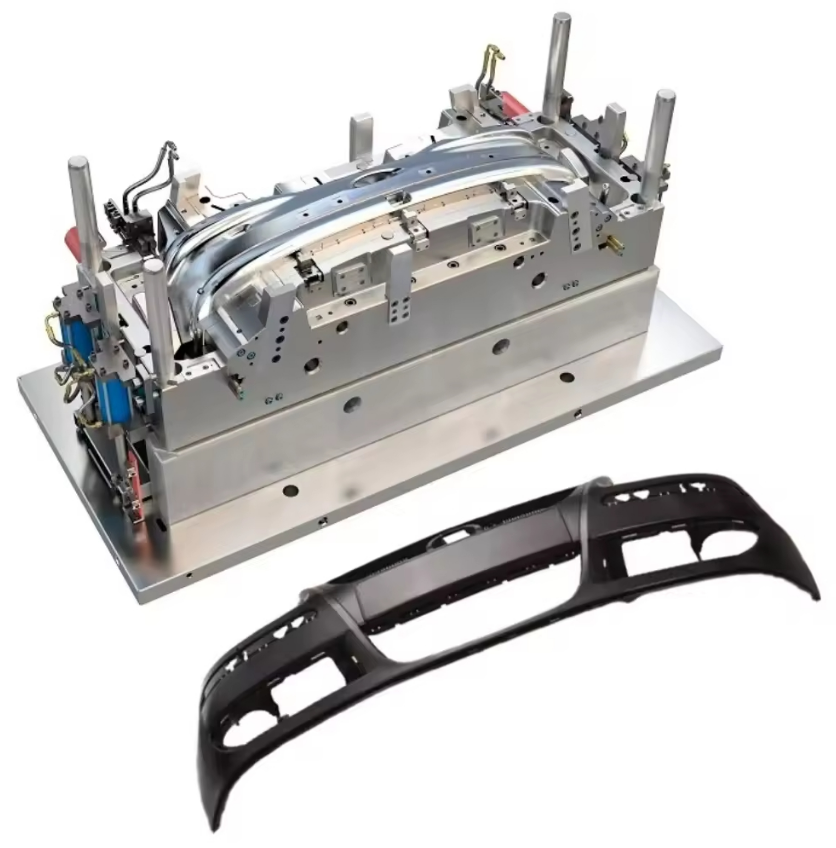
Vehicle exterior systems have shifted strongly toward lightweight engineering, where plastic structures replace traditional metal components in many front-end assemblies. A Front Bumper Molding Manufacturer contributes directly to this transformation by optimizing material usage, structural design, and molding efficiency to achieve lower part mass without reducing functional strength....