The Strategic Importance of Power Management Systems

The modern electrical grid is undergoing a profound transformation, evolving from a centralized, one-way system to a decentralized, bidirectional network of distributed energy resources. This increasing complexity demands a new level of intelligence, and power management systems are the critical tools that provide it. These integrated hardware and software platforms monitor, control, and optimize electrical power distribution, ensuring reliability, efficiency, and stability. Insights published by Market Research Future highlight that the market is on a strong upward trajectory, underpinned by the need to manage this energy evolution effectively.
The Scale of Market Growth
The power management system market is experiencing significant expansion, valued at approximately USD 4.82 billion in 2025 and projected to grow to USD 11.74 billion by 2035, registering a compound annual growth rate (CAGR) of 10.4%. This growth is fueled by a convergence of policy initiatives, technological advancements, and shifting demand patterns. The market is characterized by a moderate level of concentration, with the top five companies accounting for an estimated 38-44% share, creating a competitive landscape where software and AI capabilities are becoming key differentiators.
Two primary catalysts are accelerating this trajectory: the U.S. Department of Energy's Grid Modernization Initiative, which has committed over USD 3.5 billion to grid resilience programs, and the European Union's REPowerEU plan mandating industrial energy efficiency upgrades across member states . The Power Management System Market sits squarely at the intersection of both policy imperatives, making it a strategic investment area for governments and utilities alike.
Key Drivers: Policy, Infrastructure, and New Loads
The market is being propelled by several powerful forces. Grid modernization and utility capex is a primary driver, with the U.S. Infrastructure Investment and Jobs Act allocating USD 65 billion specifically to grid modernization . This funding is flowing to advanced distribution management and energy management systems. Federal Energy Regulatory Commission (FERC) Order 2222, which opened wholesale markets to distributed energy resources, is creating direct procurement demand for solutions capable of aggregating behind-the-meter assets.
Another critical driver is the explosive growth of data center power management. The rapid expansion of AI-driven computing is creating unprecedented demand for power-intensive data center capacity. IEA projections indicate global electricity consumption for data centers will grow to over 1,000 TWh by 2030 . This is driving a shift toward advanced Data Center Infrastructure Management (DCIM) platforms, which are no longer just monitoring tools but are now critical for ensuring uptime through sophisticated orchestration of UPS systems, cooling, and load shedding automation.
Challenges and Opportunities
Despite its growth, the market faces challenges. The high upfront integration and migration costs can be a barrier, particularly for small and medium enterprises . Cybersecurity vulnerabilities in the convergence of operational technology (OT) and IT are a growing concern. However, these challenges also create opportunities for managed-service models and specialized security solutions. The long-term success of the Power Management System Market will depend on its ability to deliver cost-effective, secure, and intelligent solutions that can manage the complexities of the future grid.
Discover emerging opportunities with in-depth research reports:
الأقسام
إقرأ المزيد
Aquatic fitness has emerged as one of the fastest-growing segments in the wellness industry, offering a unique combination of low-impact exercise, cardiovascular benefits, and therapeutic advantages. Among the innovative products driving this trend is the underwater static bike, a specialised piece of equipment that enables users to pedal against water resistance in a pool setting. This form of...

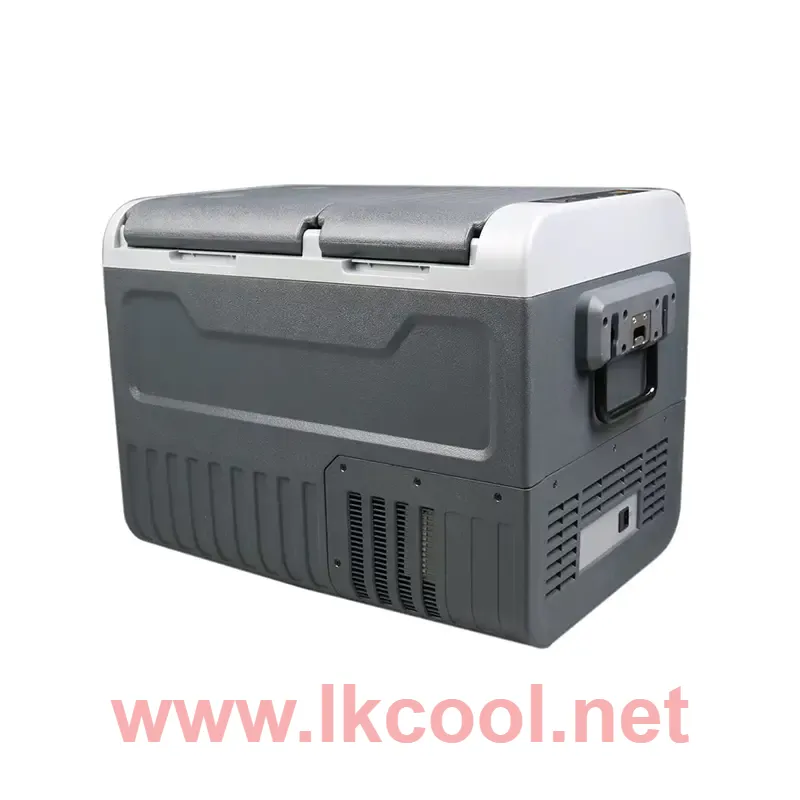
When converting a van or equipping a pickup truck, selecting a Car Refrigerator demands attention beyond basic capacity. This appliance endures constant road vibration, wide temperature fluctuations, and limited electrical budgets. The brand lkcool manufactures units specifically for such harsh mobile environments. Does your current build plan address these unique cooling challenges...
Carbon Steel Bakeware plays an important role in daily baking because different shapes influence how food develops during preparation. From round cakes to rectangular pastries, the design of a baking form affects heat distribution, texture, and presentation. Choosing the right shape allows home bakers to prepare a wider range of recipes with practical results. Baking shapes are not only about...

A well-designed controlled facility starts with the details hidden behind everyday operations, from wall materials and room separation to cleaning routines and workflow planning. PCGI Sandwich Panel can be a practical choice for projects that need structured interior partitions, while PCGI Sandwich Panel can also support a consistent environment across production rooms, laboratories,...

Industrial equipment often requires carefully selected ceramic components for demanding working conditions. In many specialized systems, Ceramic Rods can provide useful material characteristics for insulation, wear-related applications, thermal environments, and precision assemblies, while properly specified Ceramic Rods can be manufactured according to different dimensions and structural...