


Solar Waste Management: A Growing Industry

The rapid deployment of solar energy has necessitated the development of a comprehensive solar waste management strategy. Moving beyond simple disposal, the focus is now on creating a circular economy where materials from end-of-life solar equipment are recovered and reintroduced into the supply chain. According to Market Research Future, effective waste management is becoming a key differentiator and a significant business opportunity within the renewable energy sector.
The Scope of Solar Waste
Solar waste encompasses more than just the photovoltaic (PV) modules themselves. It includes inverters, batteries, and other balance-of-system components. The PV modules are the dominant type of waste by volume, holding the largest market share due to their widespread use . However, the batteries segment is experiencing the fastest growth, driven by the increasing adoption of solar energy storage systems . The growth of these segments reflects the broader trends in the solar market and highlights the need for diverse recycling solutions.
The waste management process can be complex. The end-of-life management of solar panels involves collection, transportation, and processing. The market is segmented by recycling capacity, with medium-scale facilities handling 100-1000 MTPA holding the largest share, while small-scale (1-100 MTPA) facilities are emerging as the fastest-growing segment due to their ability to support localized recycling initiatives . This geographical and logistical aspect of waste management is critical for cost-effective operations.
Processes and Technologies
The actual recycling of solar waste employs several different processes. Mechanical recycling is currently the dominant method, valued for its cost-effectiveness in processing large volumes . However, chemical recycling is the fastest-growing segment, as it can recover higher-purity materials and handle complex waste streams . These processes are designed to recover valuable materials such as glass, aluminum, silicon, silver, and rare metals, which can then be used in the production of new solar panels or other products.
Challenges in Solar Waste Management
Despite its growth, the solar waste management industry faces significant challenges. The high cost of recycling, particularly for the silicon component, often makes landfilling a cheaper, though less sustainable, alternative. Logistics, including the collection and transportation of bulky panels from distributed locations, also present a cost and logistical challenge. Furthermore, the industry is fragmented, with varying regulations and standards across different regions.
Future Outlook
The future of solar waste management will be characterized by increased efficiency, regulation, and integration. Policy support, such as extended producer responsibility (EPR) schemes, will create a more structured and stable market. Innovations in logistics and automation will reduce costs and make recycling more economically competitive. As the industry scales, it will transform from a niche concern into a standard, cost-competitive practice, integral to the operation of the entire solar industry. Analysis presented by Market Research Future confirms that the advancement of the Solar Waste Recycling Market is central to achieving this sustainable outcome.
Discover emerging opportunities with in-depth research reports:
Categorie
Leggi tutto
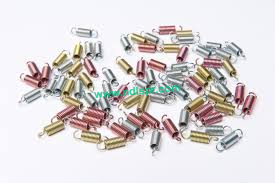
Manufacturing and engineering teams regularly assess mechanical components to identify solutions that integrate effectively into systems requiring controlled tension and return force characteristics.Custom Extension Spring selections occupy important roles in numerous operations yet ndlspr serves as a dedicated platform where comprehensive profiles and technical details await examination....
Эпохальные ключи в известной компьютерной игре мире WoW сейчас остаются основным методом прокачки героя. Мифик+ подземелья дают возрастающую сложность, лимит времени и более дорогостоящие поощрения по мере повышения ранга ключа. Для пользователей это супер возможность усиливать экипировку, а кроме этого на постоянной основе получать призовые предметы из Великого хранилища. Система же...

A High Security Padlock is not defined only by material or design, but also by standardized testing and certification systems. These systems evaluate how well a lock resists different types of attacks. One widely recognized framework is the EN 12320 rating system, which classifies padlocks on a scale based on resistance to cutting, drilling, pulling, and twisting. Higher grades indicate...

Fresh Aquatic Perfume for Men offers a practical path for those seeking lasting presence from morning into evening. Many wearers want an aroma that remains noticeable across work hours social moments and travel without constant attention. The process of selecting such an option begins with understanding concentration levels and how they interact with individual skin. Higher concentration...

The Powder Processing Equipment Market represents the comprehensive landscape of material transformation innovations, providing essential technologies that enable efficient, precise, and reliable powder handling through integrated systems of mixing and blending equipment, drying and cooling systems, sintering furnaces, compaction/punches and dies, and specialized processing machinery designed...
