Warehouse Automation: The Engine of Modern Logistics

Warehouse automation is the engine driving the transformation of modern logistics, enabling businesses to meet the soaring demands of e-commerce and omni-channel retail. By integrating advanced technologies, warehouses are becoming faster, more accurate, and more flexible. Findings from Market Research Future underscore that the adoption of automation is a critical competitive differentiator in today's market.
The Building Blocks of Automated Warehouses
A modern automated warehouse is a symphony of integrated technologies. At its core is a Warehouse Management System (WMS) , the software that orchestrates all activities. This system directs Automated Storage and Retrieval Systems (AS/RS) that store and retrieve goods with precision, conveyor and sortation systems that move products efficiently, and robotic picking systems that fulfill orders.
The integration of these components is what creates a truly automated facility. Software integration, which connects the WMS with other enterprise systems and the automation hardware, is the dominant segment, acting as the central nervous system. However, the hardware integration segment is growing rapidly as companies invest in the physical infrastructure—the conveyors, robots, and automated vehicles—that brings the software's commands to life.
The Rise of Robotics and AI
Robotics is the most significant technology within warehouse automation. From autonomous mobile robots (AMRs) that navigate warehouse floors to robotic arms that pick and pack items, these machines are taking over repetitive and physically demanding tasks. They increase speed, reduce errors, and improve worker safety by handling heavy or awkward items.
Artificial Intelligence (AI) is the fastest-growing technology, adding a layer of intelligence to automation. AI algorithms can analyze vast amounts of data to optimize picking routes, predict maintenance needs, and even manage inventory levels autonomously. This move towards "smart" automation is enabling warehouses to adapt to changing conditions in real-time.
End-User Adoption Trends
The push for warehouse automation varies across industries. Manufacturing remains the largest end-user, using automation to feed production lines and manage raw materials and finished goods. However, the food and beverage sector is the fastest-growing adopter, driven by the need for cold chain logistics, traceability, and rapid order fulfillment for perishable goods.
The automotive industry is also a significant user, with its complex supply chains and need for just-in-time delivery. The growth of e-commerce is impacting all sectors, compelling even traditional retailers to invest in automated distribution centers to compete with pure-play online giants.
Future Outlook
The future of warehouse automation will see a convergence of technologies into even more intelligent and adaptable systems. We can expect the widespread deployment of autonomous mobile robots (AMRs) that work collaboratively with humans. AI-powered analytics will become standard for predictive maintenance and real-time optimization. The integration of 5G networks will provide the low-latency connectivity needed for real-time control of automated equipment. The goal is the "lights-out" warehouse, capable of operating autonomously around the clock. Analysis presented by Market Research Future indicates that warehouse automation is central to the growth of the Material Handling Integration Market.
Discover emerging opportunities with in-depth research reports:
portable power station Industry
portable wind turbine Industry
الأقسام
إقرأ المزيد
Market analysis from Market Research Future highlights the steady growth of the Global Automotive Brake Caliper Market, driven in part by aftermarket demand for performance upgrades . A key aspect of this market is the Automotive brake caliper upgrade . For performance enthusiasts and drivers seeking improved stopping power and pedal feel, upgrading from standard floating calipers to...

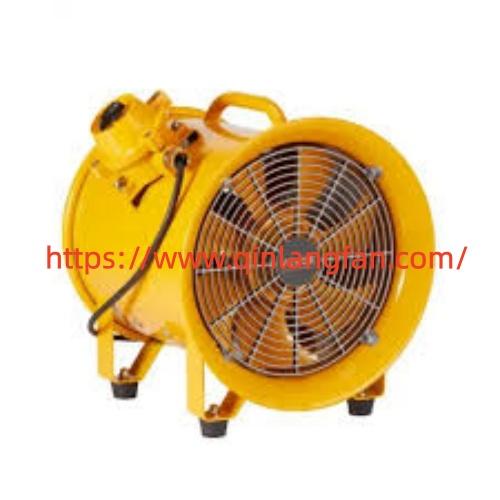
Portable Axial Fan Factory selection deserves a closer look when buyers are sourcing equipment for workshops, construction projects, warehouses, maintenance work, or temporary ventilation tasks. The product itself matters, but the manufacturing process behind it matters as well. Buyers need to know whether the supplier can understand their application, provide suitable configurations,...
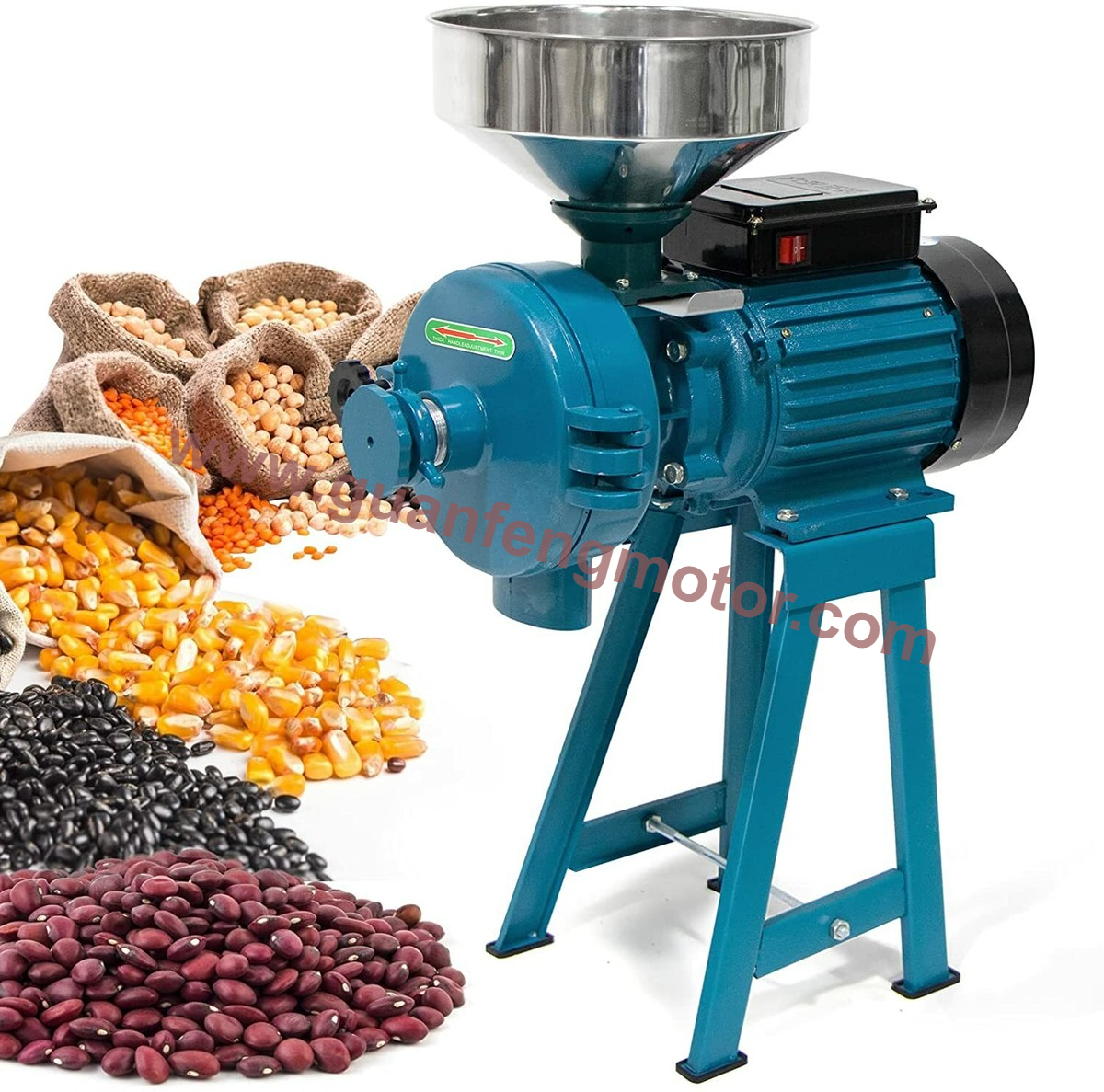
Agricultural producers face a persistent question: which Grain Grinder Mill Electric truly fits their daily throughput needs? Guanfengmotor answers this through two deliberately differentiated equipment lines, ensuring small farms and industrial plants receive appropriately scaled machinery. Could any single manufacturer satisfy both extremes of this capacity spectrum with equal...
Managing network connectivity across multiple office locations has become a major challenge for modern businesses. Companies with branch offices require secure, reliable, and high-speed communication to maintain smooth daily operations. Traditional networking systems often struggle to support growing business demands, cloud applications, remote access, and real-time collaboration. This is why...

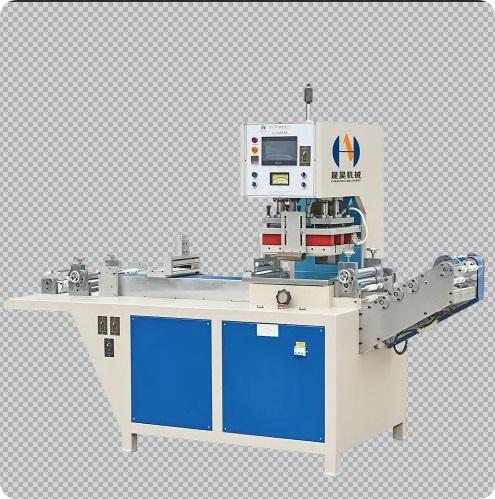
Plastic welding has always struck me as one of those industrial processes that hides its complexity behind a deceptively simple idea. At its core, plastic welding is about joining two polymer components through controlled heat and pressure. Yet the more time I’ve spent observing and working around welding operations, the more I’ve come to appreciate how much subtle judgment,...