Identifying the Core Technological Shifts and Future Financial Technology Market Trends

The Fintech market Trends for 2026 are highlighted by the evolution of fintech apps from simple transaction tools into sophisticated "financial co-pilots." Consumers are increasingly demanding proactive guidance, automated decision-making, and financial education, pushing developers to integrate AI models that help users understand and optimize their personal or business finances in real-time. This shift reflects a broader consumer expectation: apps should not just display data, but actively contribute to the user's financial well-being by automating savings, optimizing investments, and providing tailored insights that make complex financial management simpler and more intuitive.
Another crucial trend is the transition of stablecoins from a "crypto-native" topic into a core treasury and settlement question. With the introduction of comprehensive regulatory frameworks, stablecoins are becoming an essential tool for cross-border payments, reducing friction and cost by settling instantly across international borders. As these digital assets gain institutional legitimacy, financial institutions are investing heavily in the infrastructure required to process them securely. This trend is complemented by the widespread rollout of "embedded finance," where software platforms are increasingly pulling payment flows directly into their products, effectively becoming revenue engines rather than mere workflow tools.
Regulation is also becoming a form of "technical infrastructure" rather than a hurdle to be managed after growth. In regions like the European Union and the UK, new frameworks are forcing resilience, incident management, and third-party reporting into the core operating model of every fintech firm. This professionalization of compliance is encouraging a "multi-jurisdiction strategy" that acts as a hedge against concentration risk, where serious operators build stacks capable of supporting payments and onboarding across various markets simultaneously. This move toward standardized, production-grade capabilities is becoming the baseline for sustainable market leadership.
Finally, the industry is witnessing an "adaptive systems race" in cybersecurity. Because bad actors now move fluidly across various institutions, the industry is embracing network-based defense. Sharing pattern-based intelligence regarding fraud rings and synthetic identities across apps and banks is now critical. By treating fraud prevention as a collaborative, team-based effort rather than an individual siloed task, companies are successfully protecting their users and maintaining the high levels of trust necessary to continue innovating in a landscape where threats are as dynamic and AI-driven as the solutions themselves.
Top Trending Reports :
Catégories
Lire la suite
В теперешнем цифровом информационном пространстве необходимость в готовых учетках, почтовых ящиках и профилях для разнообразных площадок подрастает с любым днем. Мастера по цифровому менеджменту, арбитражники трафика, владельцы и игроки постоянно нуждаются в основательных цифровых активах для деятельности, продвижения и увеселений. Первенствующие позиции на указанном рынке по праву занимает...

Access to clean and safe drinking water is a fundamental human right, yet it remains a challenge for millions of people worldwide. Contaminated water sources, aging infrastructure, and emerging pollutants pose significant health risks, making water purification systems an essential line of defense. From simple activated carbon filters to advanced reverse osmosis and UV systems, water...

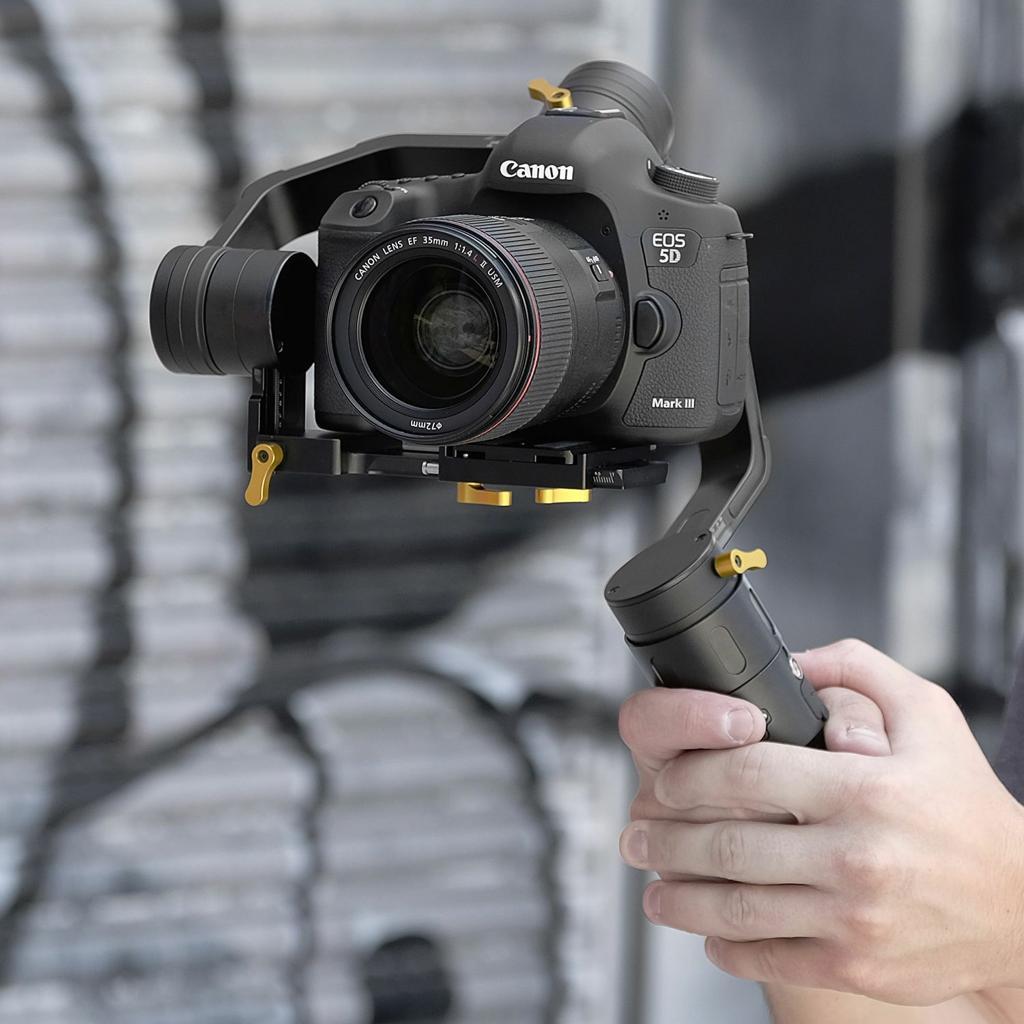
The Professional Photography Stabilizers market exhibits a clear segmentation between different applications, with Professional Photography holding the largest market share while Live Streaming emerges as the fastest-growing segment. As per Market Research Future, Professional Photography holds the largest share, driven by the increasing demand for high-quality images across various platforms....
Kids footwear serves a wide range of end-use applications, from everyday play and school activities to organized sports and special occasions. The Kids Footwear Market is being driven by the diverse ways children and parents utilize footwear. This article explores the primary applications driving the market's expansion. Market Dynamics End-use applications for kids footwear are...

In recent years, the temperature sensors market has gained significant traction, reflecting a robust growth forecast. By 2035, the market is anticipated to reach a value of USD 12.57 billion, driven by a compound annual growth rate (CAGR) of 5.00%. This growth is largely influenced by advancements in technology and the increasing demand for precision in various applications, including...