


Window Blinds: A Complete Guide to Style, Function, and Benefits
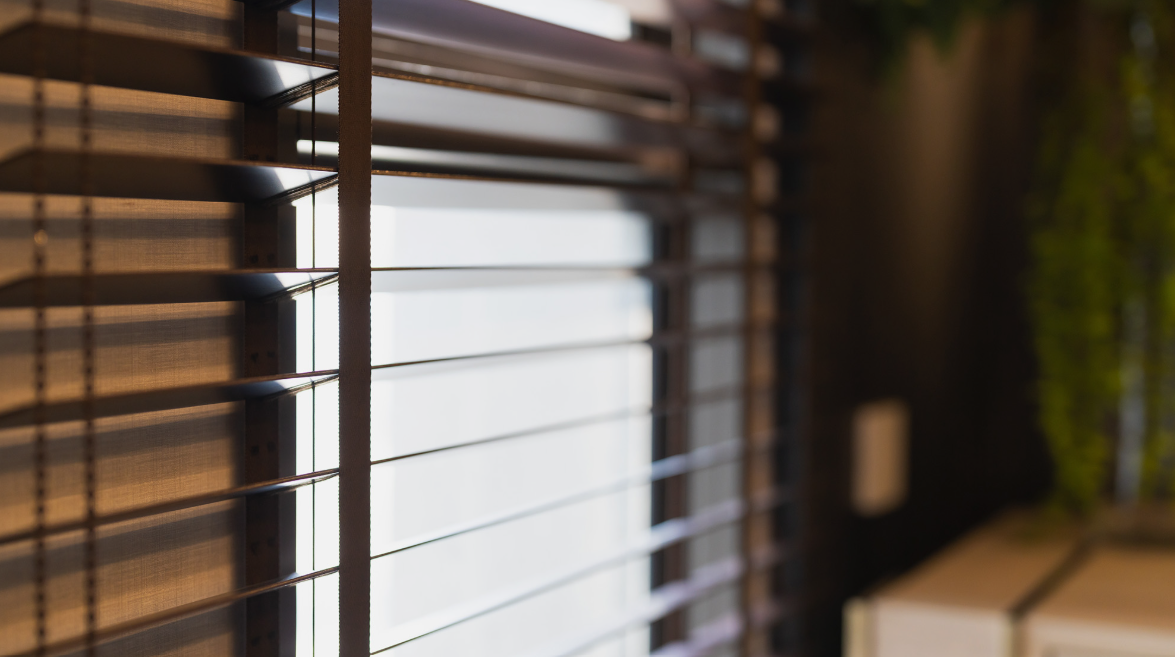
Window blinds are one of the most popular and practical window covering solutions used in homes, offices, and commercial spaces. They offer a perfect combination of privacy, light control, and interior style, making them a preferred choice for modern interior design. Whether you are renovating your home or simply upgrading your windows, understanding different types of window blinds, their benefits, and how to choose the right ones can help you make a smart investment.
In this guide, we will explore everything you need to know about window blinds, including types, materials, advantages, installation tips, and maintenance.
What Are Window Blinds?
Window blinds are coverings made of horizontal or vertical slats that can be adjusted to control light, visibility, and airflow. Unlike curtains, blinds provide more precise control over natural light and offer a cleaner, more structured look.
They are typically made from materials such as wood, aluminum, vinyl, fabric, or faux wood. Each material offers different levels of durability, insulation, and aesthetic appeal.
Types of Window Blinds
Choosing the right type of blinds depends on your space, design preference, and functional needs. Here are the most common types:
1. Venetian Blinds
Venetian blinds are made of horizontal slats that can be tilted to control light and privacy. They are one of the most widely used styles in homes and offices.
- Available in wood, aluminum, and PVC
- Easy to clean and maintain
- Ideal for bedrooms, kitchens, and offices
2. Vertical Blinds
Vertical blinds feature long vertical slats that slide from side to side. They are commonly used for large windows and sliding doors.
- Great for patio doors and wide windows
- Offer excellent light control
- Often used in commercial spaces
3. Roller Blinds
Roller blinds are made from a single piece of fabric that rolls up and down using a chain or motorized system.
- Simple and modern design
- Available in blackout, light-filtering, and sunscreen fabrics
- Perfect for bedrooms and living rooms
4. Roman Blinds
Roman blinds are fabric blinds that fold neatly when raised, creating soft pleats.
- Elegant and decorative
- Suitable for formal living spaces
- Available in a variety of fabrics and patterns
5. Cellular (Honeycomb) Blinds
These blinds are designed with a honeycomb structure that traps air, providing insulation.
- Excellent energy efficiency
- Helps reduce heating and cooling costs
- Ideal for extreme weather regions
6. Motorized Blinds
Motorized blinds can be controlled using remote controls, smartphones, or smart home systems.
- High convenience and modern technology
- Great for hard-to-reach windows
- Ideal for luxury homes and offices
Benefits of Window Blinds
Window blinds are not just decorative—they offer several practical advantages that improve comfort and functionality in any space.
1. Light Control
One of the biggest benefits of blinds is the ability to control how much natural light enters a room. You can fully open them for sunlight or tilt them for soft, filtered lighting.
2. Privacy
Blinds allow you to maintain privacy without completely blocking natural light. This is especially useful for bedrooms, bathrooms, and street-facing windows.
3. Energy Efficiency
Certain types of blinds, such as cellular blinds, help insulate windows. This reduces heat loss in winter and keeps rooms cooler in summer, helping lower energy bills.
4. Aesthetic Appeal
Blinds come in a wide range of colors, textures, and materials. They can complement any interior design style, from modern minimalism to traditional decor.
5. Easy Maintenance
Unlike curtains that require frequent washing, blinds are generally easy to clean with a simple wipe or dusting.
6. Space-Saving Design
Blinds fit neatly within window frames, making them ideal for small rooms where bulky curtains may take up too much space.
How to Choose the Right Window Blinds
Selecting the perfect blinds involves considering several important factors:
1. Purpose of the Room
Different rooms require different types of blinds. For example:
- Bedrooms: blackout roller or Roman blinds
- Kitchens: aluminum or PVC Venetian blinds
- Living rooms: fabric or wooden blinds
2. Light Control Needs
If you want complete darkness, choose blackout blinds. If you prefer natural light with privacy, light-filtering blinds are ideal.
3. Material Choice
- Wood: warm and natural look
- Aluminum: durable and modern
- Fabric: soft and decorative
- PVC: budget-friendly and moisture-resistant
4. Window Size and Shape
Large windows may require vertical blinds or motorized systems, while small windows often suit roller or Venetian blinds.
5. Budget
Blinds come in a wide price range. Basic vinyl blinds are affordable, while motorized or custom wood blinds are more expensive.
Installation of Window Blinds
Installing window blinds can be a DIY project or done professionally depending on complexity.
DIY Installation Steps:
- Measure your window accurately
- Mark bracket positions
- Drill holes and fix brackets
- Attach the blinds securely
- Test opening and closing functions
For motorized or custom blinds, professional installation is recommended to ensure proper alignment and safety.
Maintenance Tips for Window Blinds
Proper care extends the life of your blinds and keeps them looking new:
- Dust regularly using a microfiber cloth or vacuum brush
- Clean stains with mild soap and water (for washable materials)
- Avoid harsh chemicals that may damage finishes
- Check cords and mechanisms periodically for wear and tear
- Lubricate moving parts if needed
Window Blinds vs Curtains
While both serve similar purposes, they have key differences:
- Blinds offer better light control and a modern look
- Curtains provide a softer, traditional aesthetic
- Blinds are easier to clean
- Curtains offer more insulation in some cases
Many homeowners choose to combine both for style and functionality.
Trends in Modern Window Blinds
Interior design trends are continuously evolving, and window blinds are no exception.
- Smart motorized blinds integrated with home automation systems
- Eco-friendly materials like bamboo and recycled fabrics
- Minimalist designs with neutral colors
- Layered window treatments combining blinds and sheer curtains
These trends reflect a shift toward convenience, sustainability, and modern aesthetics.
Conclusion
Window blinds are an essential part of modern interior design, offering a perfect balance of style, privacy, and functionality. With so many types, materials, and designs available, they can be customized to fit any space and lifestyle.
Whether you choose classic Venetian blinds, elegant Roman styles, or advanced motorized systems, investing in quality blinds can significantly enhance your home’s comfort and appearance. By selecting the right type and maintaining them properly, you can enjoy long-lasting performance and timeless style.
If you are planning to upgrade your interiors, window blinds are one of the most practical and stylish choices you can make.
Categorias
Leia Mais
Global Double-diffused Metal Oxide Semiconductor (DMOS) Market is rapidly evolving as power‑electronics manufacturers accelerate the transition toward higher efficiency, greater power density, and stricter automotive reliability standards. As semiconductor manufacturers expand their product portfolios to address electric‑vehicle (EV) powertrains, renewable‑energy converters, and industrial...

An event planner places napkins at each table setting, expecting reliable performance when a guest spills a drink. The choice between recycled fiber napkins and virgin paper versions presents an environmental trade-off. The central question becomes: are Party Printed Paper Napkins made from recycled materials as absorbent as virgin paper versions? FuRong, a manufacturer based in Zhuji...

Planning a holiday around personal interests, preferred destinations, and available time can make traveling more enjoyable. Best travel company for group tours can help transform a general travel idea into a personalized itinerary that suits individual preferences. Whether you are planning a family holiday, romantic escape, group adventure, or solo journey, customized tours offer greater...

The Confined Space Equipment Rental Market report is crafted with care by integrating diverse facets of the present and upcoming market landscape. With the use of validated and contemporary methodologies, intricate insights of the market are distilled into a format that is more comprehensible to facilitate the comprehension of the end user. This detailed market research report delineates the...

Если уже устали от обычной еды и намерены заказать что-то уникальное, то пришло время отправиться в ресторан Мистер Ким! Вы знаете кулинарию Кореи? Даже в том случае, если утвердительно ответите, посетите заведение Mr.Kim, поскольку только лишь тут делают эксклюзивные блюда с приправами из самой Кореи! В случае если посмотрите отзывы клиентов, то тогда поймете как они в большинстве случаев...