What Causes Pipe Shock in Plants?
Industrial fluid systems operate under higher pressure, longer pipe runs, and more frequent valve cycling compared to residential plumbing networks. These conditions significantly increase the likelihood of hydraulic shock, commonly known as water hammer. Without proper control, pressure surges can damage pipelines, affect production stability, and increase maintenance costs.
A Stainless Steel Water Hammer Arrestor is widely used in industrial environments because of its ability to withstand elevated pressure cycles, chemical exposure, and continuous operation demands. Its stainless steel structure ensures long-term mechanical integrity in harsh working conditions.
Water hammer in industrial pipelines
In industrial systems, water hammer is often more severe due to:
High flow velocity (often above 2–3 m/s)
Automated solenoid or pneumatic valves
Long-distance piping networks
Pump start-stop cycles
Process fluid switching systems
When a valve closes rapidly, the kinetic energy in the moving fluid converts into a pressure wave. In large pipelines, this wave can travel hundreds of meters, reflecting at bends and junctions.
In industrial environments, transient pressure spikes can exceed 10–20 bar above normal operating pressure depending on system design.
Structural advantages of stainless steel design
A Stainless Steel Water Hammer Arrestor used in industrial applications typically features:
316 stainless steel body for corrosion resistance
High-strength welded chamber construction
Internal piston or diaphragm system
Nitrogen pre-charged gas chamber (typically 40–60 PSI preload)
Threaded or flanged connection options
Common technical specifications include:
Working pressure: up to 25–40 bar depending on model
Temperature range: -20°C to 120°C
Fatigue cycle resistance: designed for repeated pressure surges
Connection sizes: 1/2” up to 8” flange systems
These features allow stable performance in continuous-duty systems.
Placement in industrial systems
Correct positioning is critical for effective performance. Industrial engineers typically install a Stainless Steel Water Hammer Arrestor:
Near solenoid valve manifolds
At pump discharge lines
On automated filling systems
At branching points in process piping
Close to fast-acting shut-off valves
For long pipeline systems, multiple arrestors are installed at intervals to distribute pressure absorption.
Integration with system design
In industrial piping design, arrestors are often integrated during the engineering phase. Designers consider:
Pipe diameter and flow rate
Valve closure speed
Fluid type (water, chemical solutions, or process fluids)
System pressure classification
Pipe support and vibration control
Stainless steel construction allows compatibility with corrosive fluids such as mildly acidic or chemically treated water systems.
Operational benefits
Installing a Stainless Steel Water Hammer Arrestor in industrial systems provides:
Reduced vibration in pipelines
Lower mechanical stress on valves and joints
Improved reliability of automated equipment
Decreased risk of micro-leaks
Increased service interval of system components
These improvements are particularly important in continuous production environments.
Summary
Industrial water hammer control requires durable and reliable solutions. A Stainless Steel Water Hammer Arrestor offers the structural strength and pressure handling capability needed for demanding pipeline systems, ensuring stable operation under repeated hydraulic stress conditions.
الأقسام
إقرأ المزيد
For starters, baggy jeans are can be worn all year long and with practically every kind of outerwear and shoes, which provides a limitless amount of outfit possibilities. Pair them with colorful sneakers and faux fur, heavy brogues and blazers, crisp shirting and ballet flats the list goes on. You'd be hard pressed to find a pair of pants as comfortable and versatile as jeans with an ultra...

The efficient development of offshore oil and gas reserves depends on subsea equipment that can gather production from multiple wells and route fluids to processing facilities, with Subsea manifolds serving as the central components that consolidate flow from satellite wells while enabling injection support for reservoir pressure maintenance. Insights published by Market Research Future...

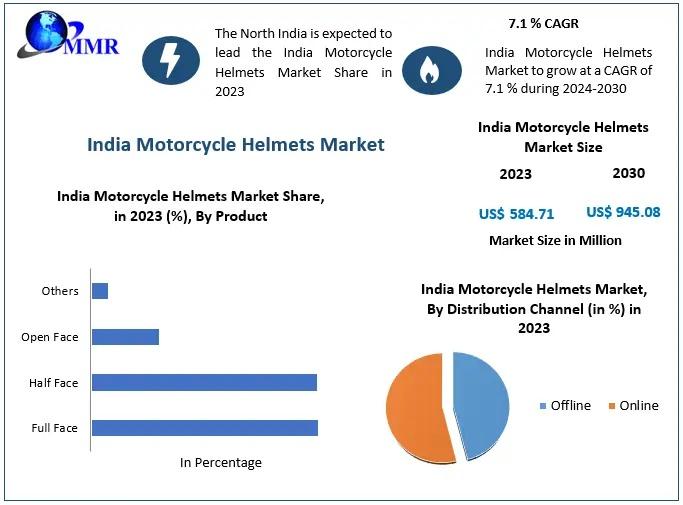
Market Overview: Safety Regulation and Consumer Awareness Driving Structural Demand The motorcycle helmet industry in India is evolving under strong regulatory and behavioral shifts. Government enforcement of mandatory helmet usage laws has significantly increased baseline demand across urban and semi-urban regions. At the same time, rising disposable income and growing awareness of...
High-performance engineering and manufacturing applications require materials that combine durability, stability, and precision. Ceramic structural parts meet these requirements, offering resistance to heat, wear, and chemical exposure while maintaining accurate dimensions. These components are widely implemented in industries such as aerospace, energy, medical devices, and industrial...
Interior and furniture design increasingly focus on creating natural-looking surfaces while maintaining practical processing and everyday usability. For manufacturers and purchasing teams considering Wood Grain PVC Film, the decision involves much more than choosing a wood-like pattern. Material selection, purchasing requirements, functional technology, user experience, surface maintenance, and...