How Stable Is Hot Melt Bonding?
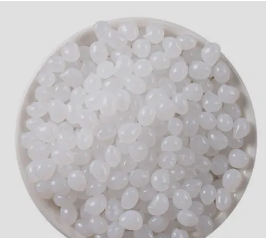
Temperature plays an important role in adhesive performance. Manufacturing facilities often face changing environmental conditions, from cold warehouses to warm production lines and long transportation routes. A bonding material that performs well under these circumstances can help reduce production interruptions and improve product consistency. High Quality Hot Melt Adhesive is widely used because its formulation can be adjusted to meet different thermal requirements across packaging, furniture, textiles, electronics, and product assembly.
Unlike water-based adhesives, hot melt products are applied in a molten state and solidify through cooling. This process eliminates drying time and supports continuous production. Industrial references describe hot melt adhesives as thermoplastic materials with adjustable viscosity, open time, and setting characteristics for different applications.
Heat Resistance Starts with Material Selection
A hot melt adhesive typically consists of:
Thermoplastic polymers
Tackifying resins
Waxes
Antioxidants
Functional additives
The balance between these ingredients determines how the adhesive behaves under changing temperatures.
Common polymer systems include:
EVA
Polyolefin
Polyamide
PUR
SBC formulations
Each offers different thermal and mechanical properties.
Technical Characteristics
Industrial users often evaluate adhesives according to measurable properties.
Application temperature:
160°C–180°C for many EVA systems.
Viscosity:
2,000–12,000 mPa·s depending on formulation.
Open time:
3–10 seconds for rapid assembly operations.
Softening point:
80°C–155°C according to adhesive chemistry.
Heat resistance:
80°C–150°C for selected industrial grades.
These technical ranges allow manufacturers to select products suited to their production environment.
Packaging Under Changing Conditions
Packaging materials travel through warehouses, trucks, and retail environments.
Carton sealing adhesives should maintain bonding during:
Summer transportation.
Cold storage.
Stacking pressure.
Repeated handling.
Temperature fluctuations can affect ordinary adhesives. High Quality Hot Melt Adhesive is often formulated to maintain stable adhesion across a broader operating range.
Furniture Manufacturing Challenges
Wood expands and contracts with humidity and temperature.
Applications include:
Edge banding.
Decorative panels.
Cabinet assembly.
Profile wrapping.
Furniture components.
A balanced adhesive should provide flexibility without becoming brittle during colder conditions or excessively soft during warmer conditions.
Textile Lamination
Textiles experience repeated movement during use.
Industrial applications include:
Footwear.
Automotive interiors.
Protective garments.
Filtration products.
Decorative fabrics.
Adhesives may require:
Good flexibility.
Steam resistance.
Repeated bending durability.
Controlled penetration.
Smooth coating characteristics.
Proper thermal stability helps preserve these properties.
Electronics and Appliance Assembly
Small components often require adhesives that can tolerate moderate heat generated during operation.
Applications include:
Wire fixing.
Component positioning.
Protective coverings.
Cable management.
Decorative trim.
Controlled application temperatures and predictable viscosity support automated dispensing equipment.
Thermal Stability During Production
Manufacturing lines may keep adhesives molten for several hours.
A thermally stable formulation helps reduce:
Carbon deposits.
Discoloration.
Viscosity changes.
Nozzle blockage.
Machine cleaning frequency.
Production interruptions.
Thermal stability is particularly important for high-volume operations.
Equipment Compatibility
Hot melt adhesives can be applied through:
Slot coating.
Roll coating.
Extrusion.
Spray systems.
Automatic nozzles.
Robotic dispensers.
Stable viscosity allows equipment settings to remain consistent during long production cycles.
Storage and Handling
Storage conditions affect adhesive quality.
Recommended practices include:
Dry storage.
Protection from sunlight.
Sealed packaging.
Moderate warehouse temperatures.
Clean melting equipment.
Proper stock rotation.
These measures help maintain processing consistency.
Future Material Development
Manufacturers continue developing adhesives that balance heat resistance, flexibility, and efficient processing.
Research focuses on:
Improved polymer chemistry.
Cleaner machine operation.
Lower application temperatures.
Broader substrate compatibility.
Enhanced durability.
High Quality Hot Melt Adhesive supports these industrial goals through adaptable formulations that serve diverse manufacturing sectors. Controlled viscosity, stable thermal behavior, and reliable bonding characteristics help maintain production efficiency while addressing changing environmental conditions. Industrial technical data show that modern hot melt systems can be engineered for various heat resistance and processing requirements.
Catégories
Lire la suite
An easy on‑off dog harness is one of those products that seems simple at first glance, yet the more you use it, the more you appreciate its thoughtful design. At its core, this harness is built for convenience: quick to put on, quick to remove, and comfortable enough for daily wear. But beyond convenience, it offers a blend of safety, control, and dog‑friendly engineering that makes it stand...

Machined wheels have a distinct charm that comes from their precision‑cut surfaces and clean metallic texture. When I look at machined wheels, I’m always struck by how they balance engineering with aesthetics. They’re not simply painted or coated; they’re shaped by cutting tools that leave behind fine, visible lines. These lines aren’t flaws—they’re proof of...
In today's fast-changing mobility market, businesses and consumers alike are paying closer attention to practical transportation solutions that blend convenience with daily usability. As interest in portable mobility products continues to grow, Foldable Scooter Factory and Sweetrichmobility have become part of conversations surrounding adaptable mobility options that fit a variety of lifestyles...

The Processed Cashew Market is being reshaped by powerful trends in health, sustainability, and technology. From innovative flavors to sustainable sourcing, the industry is rapidly evolving to meet the demands of the modern consumer. Market Dynamics Health and Wellness: The Core Driver A primary trend is the increasing consumer focus on health and wellness, driving demand for...

Scoring was significantly further more common upon Wednesday, yet the Dodgers shielded their 3rd directly onerun gain in opposition to the Tampa Bay Rays, using the finale 54 towards extensive the which include upon Tuesday Tyler Glasnow Jersey, either groups had been saved scoreless more than the initial 3 innings, as Shohei Ohtani and Shane McClanahan permitted simply 2 baserunners apiece...