What Makes Ergonomic Leather Seating Important?
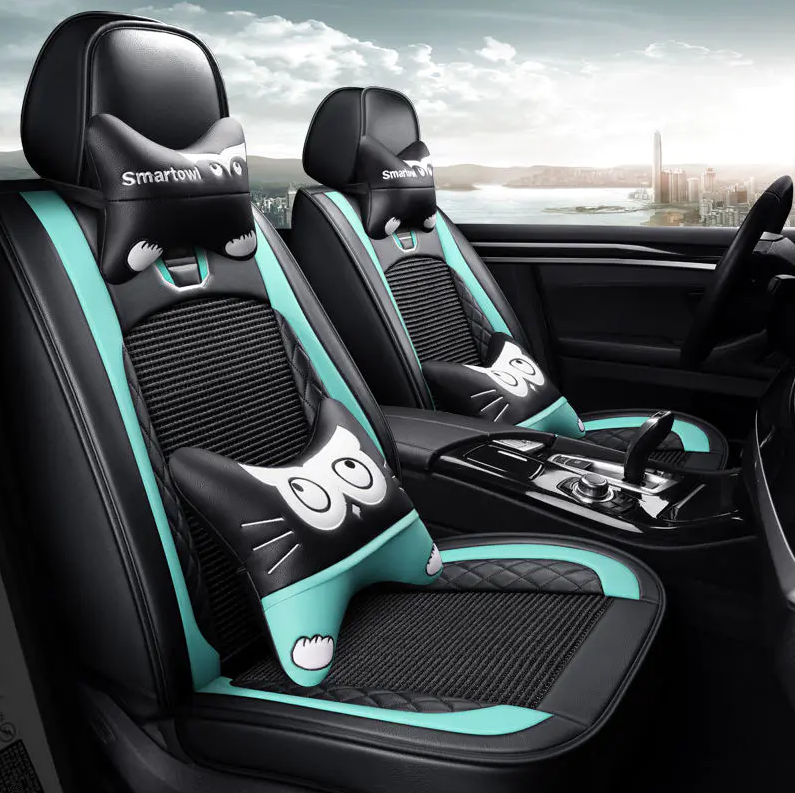
A Genuine Leather Auto Seat Cushion is not only a surface upgrade for vehicle interiors but also an ergonomic system designed to support posture, pressure distribution, and long-duration seating comfort. Modern automotive seating design focuses on biomechanical alignment between the human body and seat geometry.
Pressure Distribution and Body Contact Zones
Human body weight while seated is primarily concentrated in the pelvis, thighs, and lower back region. In automotive seating, up to 60–70% of pressure load is absorbed by the seat base, while the backrest supports spinal alignment.
Ergonomic leather cushions are often engineered with contoured foam profiles. These profiles vary in thickness, typically ranging from 20 mm to 60 mm zoning layers, allowing different firmness levels across contact points.
Central seat zone: higher-density foam (45–55 kg/m³)
Side bolsters: medium-density foam (35–45 kg/m³)
Lumbar support region: adaptive foam with gradual compression response
This structure helps reduce localized pressure buildup during long driving periods.
Spinal Alignment and Lumbar Support Design
Proper lumbar curvature is essential for reducing fatigue. Automotive ergonomic standards aim to maintain an “S-shaped” spinal curve, particularly in the lumbar region.
A Genuine Leather Auto Seat Cushion may include integrated lumbar bulges ranging between 10 mm and 30 mm projection depth, depending on seat design category (comfort-focused or sport-oriented).
These lumbar supports reduce intervertebral disc pressure by distributing load more evenly along the spine, helping reduce stiffness during extended driving cycles.
Seat Angle and Hip Positioning
Seat tilt angle plays a critical role in ergonomics. Most vehicle seat cushions are designed with a base inclination between 5° and 15° rear tilt.
This angle ensures:
Reduced pressure on thighs
Improved blood circulation in lower limbs
Stable pelvis positioning
Incorrect seat angle can increase fatigue in as little as 30–45 minutes of continuous driving, especially in long-distance conditions.
Foam Resilience and Recovery Behavior
Ergonomic performance depends heavily on foam resilience. High-resilience polyurethane foam used in leather cushions typically achieves:
Compression set: ≤ 8%
Recovery rate: 90–95% within 60 seconds after load removal
This ensures that seat shape remains consistent even after repeated entry/exit cycles exceeding thousands of compressions.
Vibration Absorption During Driving
Vehicle motion introduces continuous micro-vibrations from road surfaces. Leather cushions with multi-layer foam systems reduce vibration transmission by approximately 15–35%, depending on foam density and thickness.
This helps reduce muscular fatigue in the lower back and thighs during extended highway driving.
Conclusion
Ergonomics transforms a Genuine Leather Auto Seat Cushion from a decorative interior component into a functional support system. Through engineered foam zoning, lumbar shaping, and pressure distribution design, it directly influences driver posture and long-term comfort stability.
Κατηγορίες
Διαβάζω περισσότερα
Examining the woodworking tool market, covering advanced solutions for home improvement and professional construction applications, key technologies including cordless and stationary power tools, and the future outlook for woodworking tools through 2035. The Woodworking Tool Market represents the comprehensive landscape of construction and renovation innovations, providing essential...

In modern conveying and material-handling equipment, a well-designed Steel Roller can provide a dependable foundation for supporting and moving materials through different stages of production. Although rollers are often smaller than the machines around them, their interaction with belts, products, frames, and other components can influence the stability of an entire system. Selecting the right...
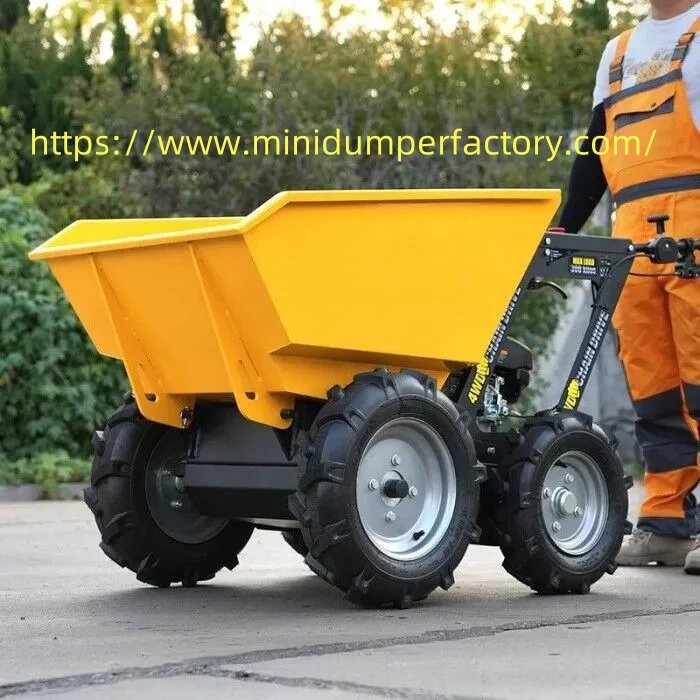
Power Barrow Factory selection should begin with the actual conditions of the worksite rather than product appearance alone. Construction, landscaping, agriculture, and property maintenance projects may involve different access widths, ground surfaces, material types, travel distances, unloading points, power preferences, and maintenance expectations. Konstant provides compact material...
As the US Phosgene market evolves, a deeper understanding of market share dynamics emerges, showcasing the competitive landscape that defines this sector. The market is projected to reach USD 603.84 million by 2035, growing at a CAGR of 4.732%. This growth trajectory underscores the increasing demand across key sectors, particularly the pharmaceutical and chemical industries. The significant...
A Medical Monitor Arm provides healthcare environments with flexible support for displays, allowing screens to be positioned according to procedural needs, room layout, or staff preferences. Adjustable height, tilt, and reach enable caregivers to maintain comfortable postures while accessing patient data or imaging systems. Unlike fixed mounts, a movable monitor arm improves workflow...