


Can a Precision Injection Mold Match Your Production Plan?
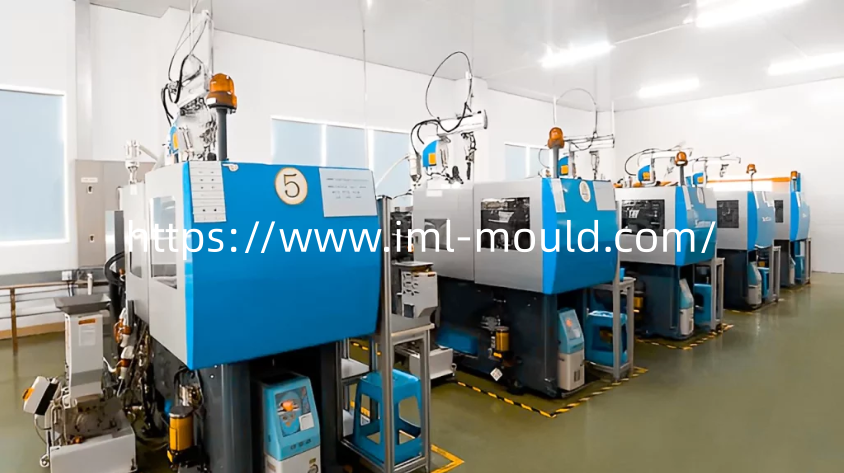
Precision Injection Mold orders should begin with a clear understanding of the product, material, equipment, and production target. For overseas buyers, a detailed technical discussion before placing an order can help prevent misunderstandings during design and manufacturing. Instead of comparing quotations alone, purchasing teams should examine how the proposed tooling structure supports the intended plastic part, how production requirements will be handled, and what information the supplier needs to complete the project.
Are Your Product Files Complete and Consistent?
The product drawing is an important starting point for engineering communication. Buyers should prepare an updated 2D drawing, a 3D CAD file, product dimensions, and any available physical samples. All files should refer to the same design revision to avoid differences between the approved model and the manufacturing proposal.
It is also useful to identify functional areas, visible surfaces, connection points, and assembly requirements. For packaging products, details such as lid fitting, container dimensions, stacking conditions, and opening structures may influence the tooling layout. If certain areas require special surface treatment or have restricted gate and ejector positions, mark them clearly in the design documents.
A short product application brief can provide additional context. Explain how the item will be used, what it needs to connect with, and which features must remain consistent during production. This information gives the engineering team a clearer basis for reviewing the design.
Has the Resin Grade Been Confirmed?
Material selection affects more than the appearance of a finished plastic part. Different resin grades can have different shrinkage behavior, flow characteristics, heat resistance, and processing requirements. Buyers should specify the intended material and grade whenever these details have already been determined.
If the material has not yet been selected, describe the required product properties and intended application. The manufacturer can then discuss suitable options for engineering evaluation. Any proposed material change should be reviewed before the tooling design is finalized because it may influence dimensions, gate arrangements, cooling requirements, and processing conditions.
Shrinkage should also be included in the technical discussion. Rather than relying on a general value, buyers should confirm the material basis used by the design team and ask how dimensional requirements will be checked during sampling.
Does the Cavity Layout Suit Your Product Structure?
The cavity layout should reflect the product geometry and planned manufacturing conditions. Buyers can ask for a design review covering the parting line, cavity arrangement, runner system, gate location, and ejection method.
Cavity quantity deserves particular attention. A multi-cavity arrangement can support larger production batches, but the design also needs to account for filling balance, cooling distribution, and dimensional consistency between cavities. The required output, product size, machine capacity, and investment budget should all be considered before confirming the layout.
For packaging applications, iml-mould offers tooling solutions for products such as sauce containers, round containers, meal-box lids, and coffee-cup lids. These different structures illustrate why the design should be discussed according to the actual product rather than selected from a general specification.
Have Cooling and Venting Requirements Been Reviewed?
Cooling and venting are important parts of the tooling discussion. Cooling channels help manage heat during the forming cycle, while venting provides a route for air and gas to escape as plastic fills the cavity.
Buyers should ask how the proposed layout relates to product wall thickness, geometry, and expected production conditions. Areas with different wall sections may require particular attention because uneven cooling can contribute to dimensional variation or deformation.
Venting positions should also be considered in relation to product appearance and the filling path. The engineering team can explain the proposed arrangement and identify areas that may need observation during the trial stage. This discussion connects the design concept with practical production needs.
What Should Be Included in the Quotation?
A tooling quotation should clearly describe the work included in the project. Buyers should review the proposed base, cavity and core materials, hot or cold runner arrangement, standard components, special mechanisms, and any additional machining requirements.
It is equally important to clarify what is excluded. For example, buyers may need separate confirmation about sample delivery, design revisions, spare components, packaging, transportation, and installation support. If the project requires special labeling or product customization, these details should be stated in the inquiry.
Ask the supplier to identify the expected project stages, from design approval and machining to assembly and trial testing. A written scope makes it easier for both parties to understand responsibilities and compare quotations on a consistent basis.
How Will Samples and Tooling Be Accepted?
Before manufacturing starts, buyers should agree on how the trial results will be evaluated. The acceptance plan may include product dimensions, appearance, weight, fitting performance, and other functional requirements relevant to the application.
For multi-cavity projects, it can be useful to identify samples by cavity so that any differences can be reviewed. Buyers should also clarify whether the trial report will include material details, machine settings, inspection results, and records of adjustments.
These documents provide a reference for later production discussions. If a sample does not meet an agreed requirement, both parties can refer to the recorded result and decide whether a design adjustment, tooling modification, or process review is needed.
Are Delivery and Maintenance Responsibilities Clear?
The purchasing agreement should explain delivery arrangements, project milestones, tooling identification, and the documents supplied after approval. Buyers may request relevant design files, component information, maintenance instructions, and records of approved changes, depending on the project scope.
Maintenance access should be discussed during design review rather than left until a repair is required. Components subject to routine inspection or replacement should be identified, and the supplier should explain the recommended maintenance arrangements.iml-mould provides information about its plastic packaging tooling range and project services through its official website. Buyers preparing a new order can visit https://www.iml-mould.com/ and share their product drawings, material requirements, machine specifications, and expected production volume to begin a focused technical discussion with the team.
Categorieën
Read More
Безопасност и защита на данните в онлайн казината: Как да играем отговорно през 2025 г. С напредването на технологиите и увеличаващото се внимание към онлайн хазарта, безопасността и защита на данните в онлайн казината все повече се оказват в центъра на вниманието. За играчите, които искат да се насладят на азартните игри, е от съществено значение не само да изберат подходящо казино, но и да...

The Minnesota Timberwolves contain quietly repositioned on their own as a credible contender inside of the Giannis Antetokounmpo sweepstakes - simply just as Milwaukee Pounds possession publicly recognized the magnitude and complexity of the final decision encompassing their franchise 's renewed adaptability arrives among the a developing believe in close to the league that Antetokounmpo's long...

The Air Management System Market is becoming increasingly important within the aerospace sector as aircraft manufacturers prioritize operational efficiency, passenger comfort, safety, and environmental performance. Air management systems play a critical role in regulating cabin pressure, temperature, oxygen supply, fuel tank inerting functions, and ice protection capabilities. As aviation...

The production of an OEM Office Chair relies heavily on material engineering, where structural durability, comfort performance, and long-term stability are determined by selected raw materials. Each component, from the internal frame to the surface covering, plays a role in defining the final chair quality and user experience. OEM manufacturing allows flexible material combinations...
Enteral stents have come a long way since their introduction. Today's stents are more flexible, more secure, and less prone to complications. These advances are improving outcomes and expanding the range of patients who can benefit. Understanding the technology helps providers select the right stent and helps manufacturers compete. Key advances include improved materials. Nitinol offers...