Competitive Analysis: Advanced Lithium Ion Battery Market Share

Industry analysis highlights that the Advanced Lithium Ion Battery Market Share is moderately concentrated, with the top producers accounting for a significant majority of global revenue. This structure reflects the capital intensity, technical complexity, and scale requirements that define the battery manufacturing industry.
The Shape of Competition
Market share distribution reflects the dominance of a few large players and the emergence of challengers in specific segments.
Global Leaders
A handful of companies have established commanding positions through scale, vertical integration, and technology leadership. These firms compete on cost, energy density, and manufacturing efficiency, with proprietary technologies providing differentiation. Their scale enables investment in research and development and allows them to serve large automotive and storage customers consistently.
Korean and Japanese Producers
Korean and Japanese manufacturers hold significant positions, particularly in high-nickel and cylindrical cell segments. Their advantages stem from quality leadership, established automotive relationships, and technological sophistication. They compete on performance rather than pure cost.
Emerging Challengers
New entrants, often backed by government industrial policy, are gaining ground. Chinese manufacturers outside the top tier compete aggressively on price, particularly in lithium iron phosphate segments. These challengers are reshaping competitive dynamics, though many face profitability challenges.
Share by Chemistry
Market share varies significantly by cathode chemistry.
Nickel Manganese Cobalt
This segment is dominated by established manufacturers with expertise in high-energy-density cells. Competition focuses on energy density improvements and cost reduction.
Lithium Iron Phosphate
Chinese manufacturers dominate this segment, leveraging scale and cost advantages. Competition is intense, with price pressure affecting margins.
Emerging Chemistries
Solid-state and other next-generation technologies represent smaller segments with concentrated share among technology leaders. These segments are likely to evolve as technologies mature.
Share by Application
Market share varies by end-use application.
Automotive
Automotive applications are dominated by large manufacturers with established relationships with automakers. Qualification cycles are lengthy, creating barriers to entry but also stability for incumbents.
Stationary Storage
Storage applications feature a broader competitive field, including manufacturers focused specifically on this segment. Price competition is more intense than in automotive.
Consumer Electronics
Consumer electronics applications feature established suppliers with long-standing relationships with device manufacturers. Competition focuses on energy density and safety.
Regional Share Patterns
Geographic distribution of market share reveals distinct competitive landscapes.
Asia-Pacific
Chinese manufacturers dominate regional share, supported by integrated supply chains and government policy. Korean and Japanese firms hold significant positions in premium segments.
North America
North American share is influenced by domestic manufacturing incentives and local content requirements. New plants are being built by both domestic and international firms.
Europe
European share distribution reflects the influence of local content requirements and sustainability regulations. Firms with strong records in compliance have gained advantage.
Factors Influencing Share Movements
Several variables consistently affect competitive position.
-
Scale and cost: Manufacturing scale drives cost advantages that are difficult to overcome.
-
Technology performance: Energy density, cycle life, and safety are critical differentiators.
-
Customer relationships: Long-term contracts with automakers provide revenue stability.
-
Supply chain integration: Vertical integration from materials to packs provides cost and security advantages.
-
Policy support: Government incentives can shift competitive advantage toward domestic producers.
Recent Developments
The competitive landscape is being reshaped by strategic moves. Capacity expansions in North America and Europe are creating new competitive dynamics. Partnerships between battery manufacturers and automakers are securing demand and funding expansion. Consolidation activity is strengthening the positions of larger firms.
Challenges to Share Stability
Share positions are not permanently fixed. Technological shifts, including the emergence of solid-state batteries, could create new leaders. Policy changes can shift advantage toward domestic manufacturers. Overcapacity and price pressure can erode margins and force consolidation.
Opportunities for Challengers
Firms seeking to gain share can pursue several strategies. Focusing on emerging technologies, such as solid-state or sodium-ion, provides differentiation. Specializing in specific applications, such as storage or commercial vehicles, offers a path to market. Forming partnerships with automakers or project developers can secure demand.
Future Outlook
The competitive landscape is likely to consolidate over time. Scale advantages will favor larger players, and smaller firms may struggle to compete. However, technology shifts could create openings for new entrants. The growing importance of supply chain security and local content may create opportunities for regional producers.
Final Thoughts
The Advanced Lithium Ion Battery Market Share landscape rewards strategic focus. Understanding where share is concentrated, why, and how it might shift enables better decisions for manufacturers, investors, and customers alike. As the industry scales, competitive positions will be shaped by those who invest in technology, manufacturing scale, and customer relationships.
Uncover future growth patterns with expert-driven reports:
Groundwater Management Industry
Horizontal Directional Drilling Equipment Industry
Transformer Tap Changers and Voltage Control Relay Industry
Solar Cells and Modules Industry
Solar Panel Operation and Maintenance Industry
Categories
Read More
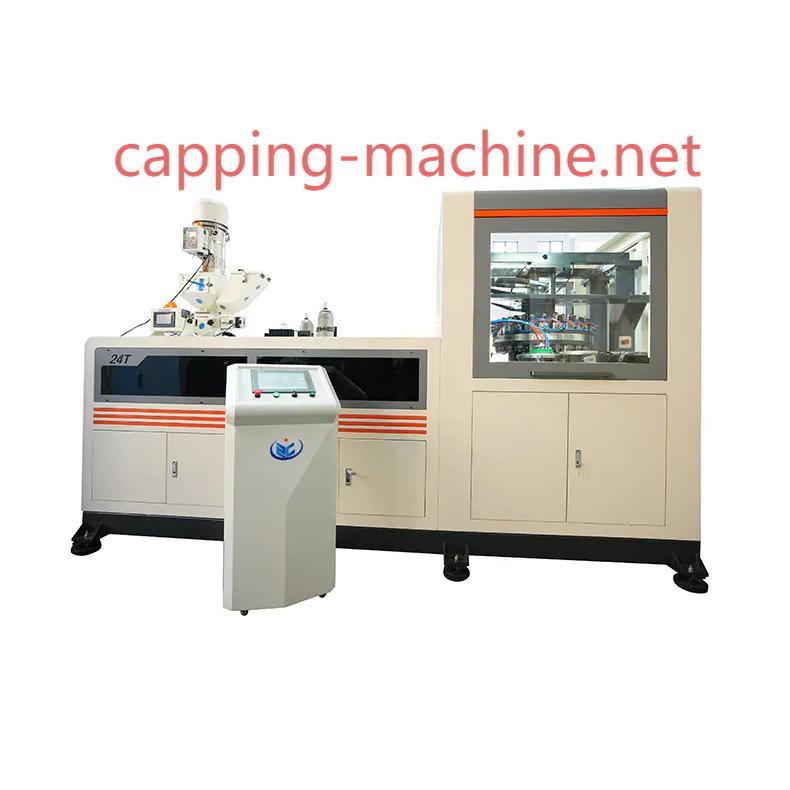
Modern packaging is shaped by details that consumers may never notice, yet manufacturers carefully consider at every stage. A Cap Compression Molding Machine can bring a structured approach to plastic closure formation, while Capping-Machine presents a manufacturing concept centered on practical equipment, adaptable production, and thoughtful engineering. By connecting forming performance with...
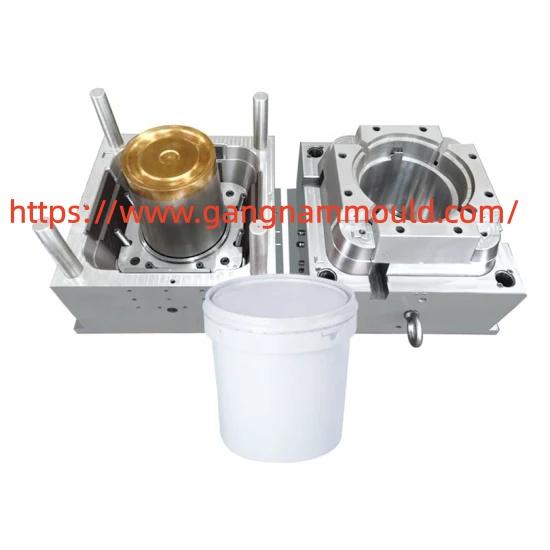
Plastic Bucket Mould selection is an important step for brands that want to develop products with suitable designs and practical functions. Before choosing a manufacturer, companies should review several areas including production experience, design communication, customization ability, and project support. A new product project often begins with an idea, but turning that idea into a...
right before Aces recreationThe Indiana Fever been given a muchneeded make improvements to forward of Sunday's showdown with the Las Vegas Aces. Just after shed numerous habits past this 7 days simply because of an condition, veteran defend Sophie Cunningham seems preset in direction of return towards the lineup. The timing couldn't be much better for Indiana, which is previously necessary in...

The Oscilloscope Market is witnessing steady growth as the demand for accurate electronic testing and measurement tools continues to expand across industries. Oscilloscopes, essential instruments for visualizing electrical signals, play a critical role in sectors such as telecommunications, automotive, aerospace, healthcare, and consumer electronics. With rapid technological advancements, the...

Studies show that the cosmetic manufacturing MRO services market size is expanding steadily, growing from approximately USD 9.5 billion in 2024 to a projected USD 15.3 billion by 2035. Market Research Future's analysis indicates a compound annual growth rate of 4.43%, reflecting regulatory pressure and manufacturing expansion. Understanding Market Size Composition Application Value...