What a Jackpot Meter Is Actually Telling You
I used to watch a progressive meter climb and read it as a countdown. It is not one. After a few years of playing slots in Canada and reading paytables more carefully than I read menus, I have settled into a simpler understanding of what these numbers represent and what they do not.
The pool is funded by players, not by the venue. A small slice of every qualifying spin is diverted into the prize instead of into regular returns. If a game contributes one percent of a two dollar spin, that is two cents per spin going upward. The meter is a visible record of past play, not a forecast of future play.
A high meter does not improve your odds. Each spin is drawn independently, so the chance of hitting the top prize is the same whether the pool looks modest or enormous. What changes is the value of that unlikely outcome. A larger pool means the theoretical return on the game is higher, but the shape of the experience stays the same: long stretches of nothing, punctuated rarely.
Trigger rules differ more than most people check. Some jackpots need a maximum bet, some scale your chance with stake size, some use a random trigger unrelated to symbols, and some split a pool among several tiers. I read that section before I decide on bet size, because playing below the qualifying stake can quietly remove the only reason I chose the game.
If you want background reading beyond one person's notes, materials on this topic are collected here: https://luckycreek-promo-code.com/
Gambling is for adults only, and the money you bring to it should be money you can afford to lose entirely.
Категории
Больше
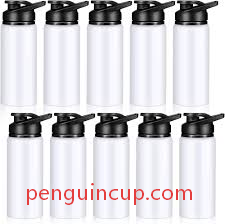
The convenience of a reusable hydration container depends not only on its performance during use but also on how easily it integrates into daily cleaning routines. For many households, dishwasher compatibility represents a significant factor in whether a bottle gets used consistently or relegated to the back of a cabinet. The ability to place a bottle in the dishwasher alongside dishes and...
Sushi chopsticks are an essential part of Japanese dining. They are designed to help people pick up sushi, sashimi, rice, and other dishes comfortably. Although chopsticks may look simple, their material, length, shape, and surface finish can make a difference in the dining experience. Choosing the right product is important for both restaurants and home users.Get more news about Sushi...
SD WAN solutions in Bangalore represent comprehensive software-based networking platforms fundamentally reshaping how organizations manage wide area network connectivity. Unlike traditional network architectures relying on dedicated hardware appliances and expensive circuit provisioning, SD-WAN solutions abstract network control through software intelligence, enabling dynamic traffic...

Hollow Knight: Silksong is packed with side quests that test your patience, and the Volatile Flintbeetles Wish is one of the most memorable. This quest sends players on a hunt for three explosive bugs hidden in the Marrow, and while it isn't a boss fight, the Flintbeetles themselves fight like they've got something to prove. As of 2026, players still swap stories about their first encounter...

The core technology of the steam boiler—the burner, heat exchanger, and control system—is what determines its efficiency and environmental performance. Boiler heating equipment is the collective term for these essential components, and it is the focus of continuous innovation. According to Market Research Future, the evolution of this equipment is key to meeting the...