


Hand Held Pulse Oximeters Market: Improving Access to Portable Oxygen Monitoring
Monitoring oxygen saturation and pulse rate is an important part of assessing patients in hospitals, clinics, emergency settings, and selected home-care environments. Pulse oximeters provide noninvasive measurements that can help healthcare professionals evaluate oxygen levels alongside symptoms, examination findings, and other clinical information. Portable devices are especially useful when measurements need to be taken at different locations.
The Hand Held Pulse Oximeters Market includes portable medical devices designed to measure peripheral oxygen saturation and pulse rate. These products may feature display screens, reusable sensors, alarms, memory functions, and connectivity options. Their applications extend across respiratory care, anesthesia, emergency medicine, and general patient monitoring.
Applications in Healthcare Settings
Handheld pulse oximeters are used by healthcare professionals to obtain spot measurements and monitor patients when continuous bedside monitoring is not required. They can support assessments in outpatient clinics, ambulances, wards, and home healthcare programs.
Device selection depends on measurement accuracy, sensor compatibility, durability, display readability, battery performance, and ease of cleaning. Some models provide additional features that help clinicians review readings or transfer information into digital systems.
Factors Driving Market Demand
The need for respiratory monitoring, growth in outpatient services, and expansion of home healthcare are contributing to interest in portable monitoring equipment. Healthcare facilities also value devices that can be moved between examination rooms and care areas.
Technological improvements are supporting compact designs, clearer displays, and enhanced data management. Manufacturers are focusing on usability and reliable performance across different patient populations.
Challenges and Future Opportunities
Pulse oximetry readings can be affected by factors such as poor circulation, movement, skin temperature, nail products, and device limitations. Accuracy may also vary across skin pigmentation, making appropriate device validation and clinical interpretation important.
Future opportunities may include improved sensor technology, better performance across diverse populations, and integration with electronic monitoring systems. Manufacturers that emphasize accuracy, usability, and regulatory compliance may strengthen their position in the market.
People Also Ask
1. What does a handheld pulse oximeter measure?
It estimates blood oxygen saturation and measures pulse rate using a noninvasive sensor.
2. Are handheld pulse oximeters used at home?
Some models are suitable for home monitoring, but users should follow healthcare professional guidance and not rely on readings alone.
Tags: Hand Held Pulse Oximeters Market, Pulse Oximetry, Oxygen Saturation Monitoring, Portable Medical Devices, Respiratory Care, Patient Monitoring
Categorias
Leia mais
The advancement of sustainable energy from biomass depends on biomass wood pellets that convert forestry and agricultural residues into a standardized renewable fuel for power, heat, and combined applications. Analysis presented by Market Research Future reveals that biomass wood pellets are evolving to meet increasingly demanding requirements. Report Key Statistics Market Research...

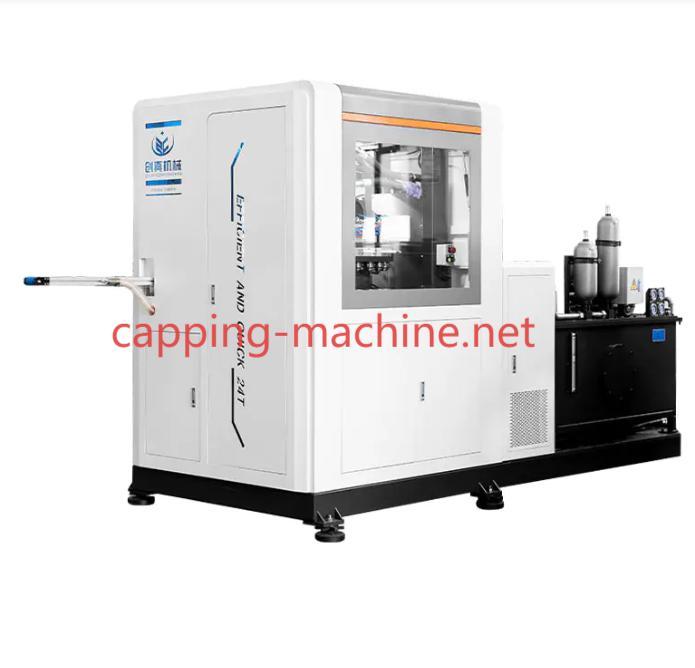
Packaging manufacturers are continually seeking methods that encourage efficiency, reliability, and sustainable growth. Plastic Cap Compression Molding Machine introduced by Capping-Machine provides a practical production approach that supports consistent closure manufacturing while helping businesses adapt to evolving industrial expectations. Today's packaging industry operates in a dynamic...
Market Research Future reports indicate that Bicycle gearbox system hub technology represents a significant segment of the Bicycle Gearbox System Market, which is projected to reach USD 674.96 million by 2035. Hub gearboxes integrate the shifting mechanism into the rear wheel hub, providing multiple gear ratios in a sealed, protected unit. This design offers advantages for commuters,...

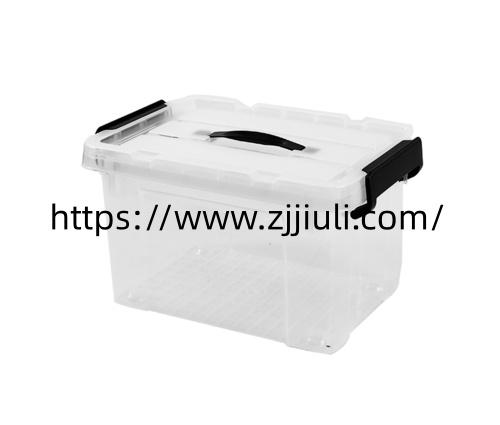
Shoe Plastic Box purchasing decisions involve more than comparing unit prices. For retailers, importers, and distributors, the right storage product should fit the footwear they sell, suit the habits of their customers, and arrive in packaging that supports efficient handling. Before placing a large order, buyers should review dimensions, material, access design, stacking arrangements,...
The Pressure Sensitive Tapes market is currently navigating a transformative phase, with significant implications for stakeholders involved. Analysis reveals that the market is projected to rise from $99.93 million in 2024 to a robust $160.47 million by 2035, translating to a CAGR of 4.3%. This growth is emblematic of evolving consumer preferences and technological advancements reshaping...
