Trunnion and Floating Ball Valves Market: Industry Overview and Growth Drivers
Trunnion and Floating Ball Valves Market: Industry Overview and Growth Drivers
The Trunnion and Floating Ball Valves Market plays an important role in industrial fluid control. These valves regulate the flow of liquids and gases in pipelines and processing facilities, including oil and gas operations, chemical plants, water infrastructure and subsea production systems. Their ability to provide dependable shut-off and flow control makes them important components in applications where operational safety and reliability are essential.
Market Growth Drivers
Oil and gas infrastructure is a significant source of demand. Pipeline networks, production facilities and processing plants require valves capable of handling high pressures and demanding operating conditions. Investment in pipeline upgrades and energy infrastructure can therefore support demand for both trunnion-mounted and floating ball valve designs.
Water and wastewater management is another area of opportunity. Treatment facilities and distribution networks use industrial valves to manage flow and isolate sections of a system for maintenance. Chemical processing and other industrial applications also require valves that can handle different fluids and operating conditions.
Product and Material Considerations
The market is segmented by material, valve size, valve rating, pressure rating, API standard and application. Carbon steel, stainless steel, alloy steel and cast iron are among the material categories. Selection depends on pressure, temperature, corrosion exposure and the properties of the handled medium.
Trunnion-mounted ball valves are generally suited to larger or higher-pressure applications because the ball is supported by mechanical anchors. Floating ball valves use line pressure to help press the ball against the downstream seat, making them suitable for a range of lower-pressure applications.
Technology and Industry Trends
Manufacturers are improving sealing systems, materials and valve designs to support longer service life and dependable operation. Automation and digital monitoring are also creating opportunities for integrated valve solutions that provide better process visibility.
Competitive Landscape
Key companies include Emerson, Flowserve, Kitz Corporation, Valmet, Cameron, Crane Co., Pentair, Metso and AVK Holding. Product reliability, engineering capability and global service support are important competitive factors.
Conclusion
Demand for reliable fluid-control equipment across energy, water and industrial infrastructure is expected to support continued market development. Improvements in sealing, materials and automation will remain important areas of innovation.
Explore additional reports to understand evolving Industry landscapes:
District Cooling Pipeline Network Industry
Bio Acoustics Sensing Industry
HVAC Filter Change Service Industry
Hydronic Underfloor Heating Industry
Individual Quick Freezing Equipment Industry
Induction Heating System Industry
الأقسام
إقرأ المزيد
Semiconductor Insight Examines the Advanced Carbon Dioxide Sensors Market, Highlighting Indoor Air Quality, Environmental Monitoring, and Connected Sensor Technologies The growing importance of environmental monitoring, indoor air quality management, and industrial gas measurement is supporting demand for advanced carbon dioxide (CO₂) sensors. These devices measure carbon dioxide concentrations...

Recent findings suggest that the Flatbed trailer market heavy haul segment represents the specialized category of trailers designed for transporting loads that exceed standard legal weight and dimension limits. According to Market Research Future, the flatbed trailer market continues to grow, driven by infrastructure development, energy projects, and industrial expansion that require the...

Niekonwencjonalne metody płatności w kasynach online w 2025 roku: Analiza przyszłości kryptowalut i płatności mobilnych w ekosystemie gier hazardowych W miarę jak technologia rozwija się w zastraszającym tempie, a coraz więcej voxkasyno.net.pl/plinko-od-bgaming/ osób angażuje się w świat gier hazardowych online, metody płatności stają się kluczowym elementem tego ekosystemu. W 2025 roku...

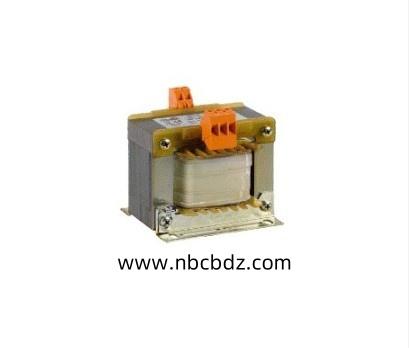
In the field of electrical equipment manufacturing, the role of a Chuangbiao Low-frequency Transformer Factory remains essential, especially when connected with Nbcbdz. As industries continue to rely on stable power conversion solutions, manufacturers are refining their production approaches to meet practical demands while maintaining consistent operational standards. Unlike high-frequency...
Recent analysis from Market Research Future highlights the steady growth of the automotive bearing market, valued at USD 38.5 billion in 2025 and projected to reach USD 64.6 billion by 2035. A foundational technology within this market is the Automotive bearing ball , the most common type of bearing used in vehicles. Ball bearings are essential for enabling low-friction, high-speed...