


Dressing Kit Manufacturer from SZTexnet
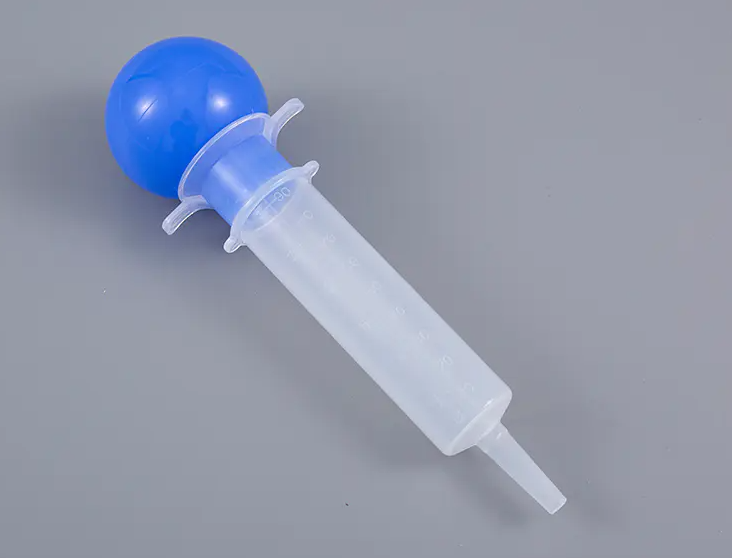
In healthcare environments, preparing the right supplies before a medical procedure helps staff organize their work and maintain an orderly treatment area. A professional Dressing Kit Manufacturer provides packaged medical components designed for specific wound dressing and clinical care tasks. When selecting a Dressing Kit Manufacturer, hospitals, medical distributors, and purchasing teams should consider kit contents, material suitability, packaging design, customization options, and product consistency to match their intended applications.
The Role of Dressing Kits in Clinical Workflows
Dressing kits bring together selected medical supplies needed for wound care and dressing procedures. Depending on the intended application, a kit may contain items such as gauze swabs, forceps, dressing towels, disposable trays, or other related accessories. Having these components grouped in one package can help healthcare staff prepare for routine procedures without sourcing every item separately.
Different healthcare facilities may have different requirements. Hospitals may need kits for multiple departments, while outpatient clinics and treatment centers may prefer configurations suited to specific procedures. Understanding the actual workflow helps buyers determine which components are necessary and which packaging format is most practical.
Selecting Suitable Components and Materials
The quality and suitability of individual components influence the overall usability of a dressing kit. Materials should be selected according to their intended function, handling characteristics, and applicable medical requirements. For example, absorbent materials may be needed for wound coverage, while disposable instruments can support specific handling tasks.
Purchasing teams should review component dimensions, material descriptions, packaging information, and relevant product documentation. It is also important to confirm whether the kit is supplied sterile or non-sterile, according to the product specification and intended use.
A clearly defined component list helps avoid unnecessary items and makes product comparisons easier. Buyers can request samples or technical details to check whether the proposed configuration matches their clinical requirements.
Customization for Different Medical Applications
Not every dressing procedure requires the same combination of supplies. Some facilities may need a basic set for routine wound care, while others may require additional accessories for specialized treatment environments. Customization allows buyers to select components based on the intended procedure and the preferences of healthcare professionals.
Customization may involve the number and type of components, packaging dimensions, labeling, and individual wrapping arrangements. For distributors serving different markets, packaging language and identification details may also need to be considered.
Before production, buyers should provide clear requirements, including product lists, reference samples, drawings, and packaging preferences. Confirming these details in advance helps establish a shared understanding between the supplier and purchasing team.
SZTexnet Dressing Kit Manufacturing and Supply
Choosing a suitable supplier involves evaluating product coordination as well as manufacturing capabilities. Buyers may need a partner that can communicate clearly about component sourcing, kit assembly, packaging arrangements, and inspection procedures.
SZTexnet provides dressing kit products for customers with different medical supply requirements. Buyers can discuss intended applications, preferred components, material expectations, and packaging configurations with the supplier. Providing a detailed specification makes it easier to evaluate available options and determine whether a proposed kit meets purchasing needs.
For wholesalers and medical distributors, discussing related procedure kits and healthcare supplies may also support a more coordinated sourcing plan. Clear communication throughout the ordering process helps keep product requirements consistent.
Packaging, Inspection, and Inventory Management
Packaging is an important part of dressing kit preparation. Individual packaging can help keep components grouped before use, while appropriate outer packaging supports storage, transportation, and inventory management. Buyers should confirm package dimensions, labeling information, and quantity requirements according to their distribution plans.
Inspection procedures should cover the appearance and completeness of each kit, as well as packaging condition and relevant product specifications. For sterile products, buyers should also review applicable sterilization and packaging documentation.
A practical purchasing strategy combines suitable components, clear customization requirements, consistent inspection, and appropriate packaging. By reviewing these factors before placing an order, healthcare purchasers can select dressing kits that better match their clinical and distribution needs. Explore available dressing kit products and sourcing options at https://www.sztexnet.com/ .
Categories
Read More
Whittingham will be leaving Utah towards be at the Citrus Bowl, wherever Michigan will enjoy from Texas, in accordance in the direction of FOX Athletics' Bruce Feldman."I am thankful towards our management, employees, gamers Daylin Caamano Jersey, and coaches for their enthusiasm, have faith in, and challenging exertion in the course of the a long time, " he wrote in just a assertion. "This...

According to recent findings published by Market Research Future, the automotive HMI market size reached USD 28.2 billion in 2025 and is projected to grow from USD 30.9 billion in 2026 to USD 70.5 billion by 2035, registering a CAGR of 9.6 percent. Two forces are converging to accelerate this trajectory: the European Union's General Safety Regulation, which mandates advanced driver-monitoring...

The increasingly complex operational landscape of the global energy sector is elevating risk management from a compliance necessity to a strategic imperative, with Oil and gas risk management emerging as a critical function for organizations navigating volatile markets, stringent regulations, and geopolitical uncertainty. Insights published by Market Research Future reveal that the market...

The Aerial Imaging Market is experiencing substantial growth as industries increasingly leverage aerial data to enhance operational efficiency, improve decision-making, and reduce project costs. Aerial imaging involves capturing high-resolution photographs and geospatial information using drones, aircraft, helicopters, and satellites. These technologies enable organizations to collect precise...

Creige's Halfway House has a problem with feathers, and Hornet is the one who can solve it. In Act 1 of Hollow Knight: Silksong, the Crawbug Clearing side quest asks players to collect 25 Ragpelts so that Creige can build a scarecrow. The task sounds simple enough—until the local birds start treating the roof like a personal playground. 🐦 Starting the Crawbug Clearing Quest The quest...