


Cybersecurity Mesh Market Growth: Transforming Enterprise Protection Through Integrated Digital Security by 2035

Market Growth and Digital Security Transformation
The Cybersecurity Mesh Market Growth is gaining attention as organizations adopt distributed security strategies to protect increasingly complex digital environments. Cybersecurity mesh architecture connects different security technologies through an integrated framework, allowing organizations to coordinate protection across cloud platforms, networks, applications, devices, and user identities. Traditional security models often depend on centralized network boundaries, but remote work, cloud adoption, and connected devices have expanded the digital perimeter. Businesses now require security controls that can operate across different locations while maintaining consistent policies and visibility. Cybersecurity mesh supports this transition by connecting independent security solutions and enabling information sharing between them. Organizations can use this approach to improve threat detection, access management, and incident response. The growing complexity of enterprise infrastructure is encouraging businesses to reconsider isolated security tools and explore integrated architectures that support flexible and coordinated protection.
Key Factors Supporting Market Expansion
Several factors are supporting interest in cybersecurity mesh solutions. The expansion of cloud computing, hybrid work environments, remote access, and Internet of Things devices has increased the number of systems that organizations must protect. Businesses often use multiple security products for identity management, endpoint protection, network monitoring, and threat detection. When these tools operate independently, security teams may experience fragmented visibility and inconsistent policies. Cybersecurity mesh helps connect these capabilities through shared intelligence and coordinated management. Increasing attention to identity-based security is another important factor. Organizations need to verify users, devices, and applications before granting access to sensitive resources. Zero Trust principles complement cybersecurity mesh by encouraging continuous verification and context-aware access decisions. These developments are motivating enterprises to improve interoperability between security products and establish more consistent security practices across distributed environments.
Cloud Adoption and Distributed Security Infrastructure
Cloud adoption is changing the way organizations design their security infrastructure. Businesses increasingly operate across public cloud services, private environments, software applications, data centers, and remote endpoints. A traditional perimeter-based approach may not provide sufficient visibility across these different environments. Cybersecurity mesh supports distributed protection by placing security controls closer to the users, devices, applications, and data requiring protection. It can connect identity and access management, endpoint security, cloud security posture management, and security analytics. Centralized policy coordination can help organizations maintain consistent security requirements while allowing controls to operate across different environments. This approach is particularly relevant for businesses managing hybrid and multi-cloud infrastructure. Providers offering interoperable platforms, unified visibility, and flexible deployment options can address the changing requirements of enterprise security teams.
Enterprise Applications and Competitive Landscape
Cybersecurity mesh is relevant across industries that manage sensitive information and operate connected digital systems. Financial institutions can use integrated security controls to protect transactions, applications, and customer information. Healthcare organizations may need to secure electronic records, connected medical devices, and cloud-based services. Retailers can apply distributed security across payment systems, customer platforms, and supply chain applications. Manufacturing companies can protect connected equipment and operational technology environments. Government agencies and technology businesses also require coordinated security across complex infrastructure. The competitive landscape includes cybersecurity platform providers, identity management vendors, cloud security companies, endpoint protection developers, and security service providers. Companies compete through integration capabilities, automation, analytics, interoperability, scalability, and technical support. Partnerships between security vendors can also help customers connect existing technologies without replacing every component of their infrastructure.
Future Outlook Through 2035
The future of the Cybersecurity Mesh Market will be influenced by cloud-native security, identity-first protection, artificial intelligence, automation, and growing demand for integrated security operations. Organizations are likely to prioritize architectures that provide centralized visibility while supporting distributed enforcement across digital assets. AI-enabled analytics may help security teams identify unusual behavior, correlate threat information, and prioritize incidents. However, organizations must address interoperability, governance, data privacy, and implementation complexity. A cybersecurity mesh strategy requires more than purchasing an individual product; it involves aligning security tools, processes, identities, and policies. Businesses will need clear architecture planning and skilled security professionals to achieve effective implementation. Providers that simplify integration and deliver reliable security management capabilities can strengthen their position. Through 2035, cybersecurity mesh is expected to remain an important architectural approach for organizations seeking adaptable protection across connected digital environments.
FAQs
Q1. What is driving growth in the Cybersecurity Mesh Market?
Cloud adoption, remote work, distributed infrastructure, identity security, and demand for integrated protection are supporting market development.
Q2. What is cybersecurity mesh architecture?
It is an architectural approach that connects distributed security tools and controls to improve visibility, coordination, and protection.
Q3. Which industries can benefit from cybersecurity mesh?
Banking, healthcare, retail, manufacturing, government, and technology organizations can benefit from coordinated security controls.
Explore Our Latest Trending Reports!
Κατηγορίες
Διαβάζω περισσότερα
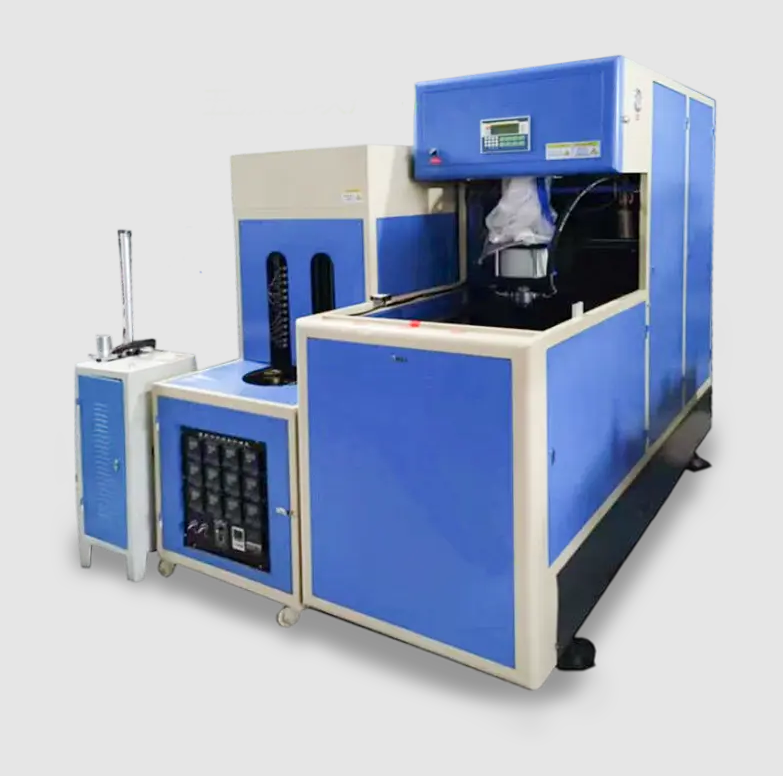
When selecting equipment for bottle production, understanding how a Pet Bottle Blowing Machine and a Semi Automatic Bottle Blowing Machine perform under different technical parameters becomes essential for consistent output. These machines may share similar core principles, but their specifications can significantly influence efficiency and product quality. Heating system...
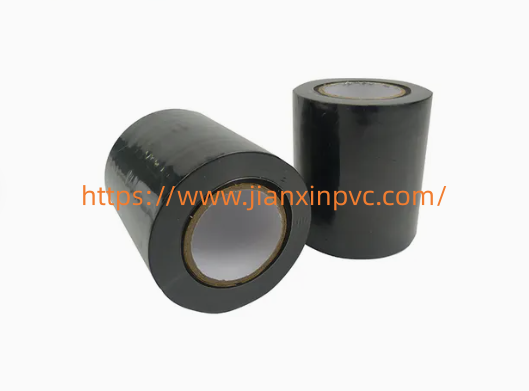
Floors can be vulnerable to damage long before a building or renovation project is complete. Workers, tools, equipment, paint, and construction debris may affect newly installed surfaces during subsequent activities. PVC Floor Protection Film can provide a temporary barrier against selected forms of jobsite contamination, helping contractors protect flooring while other work continues. Its...
Homeowners, landscapers, and organic farmers are constantly searching for effective, non-toxic methods to manage weeds while nourishing their soil. Corn gluten meal has gained remarkable traction in this space, serving a dual purpose that synthetic herbicides cannot match. Originating from the same corn refining process that supplies the feed sector, this natural material offers a clever...

HIPS Sheet and HDPE Sheet are widely used in industries ranging from packaging to structural components, yet each material offers distinct advantages that influence cost and application. HIPS Sheet is generally more cost-effective for applications requiring ease of shaping and a smooth finish. With a density around 1.04 g/cm³ and standard thicknesses from 0.5 mm to 25 mm, HIPS...

Каждый месяц тонны бумажных отходов отправляются в переработку, и значительная их часть проходит через пункты приёма компании ЭКО152 в Нижегородской области. Сдача макулатуры — это простой способ освободиться от накопившейся бумаги и получить за неё деньги в день обращения. Особый спрос на архивы и офисные документы: их сдают магазины, офисы, школы и банки. В утилизацию идут книги...