How Integrated Protection Design Supports Electrical System Safety
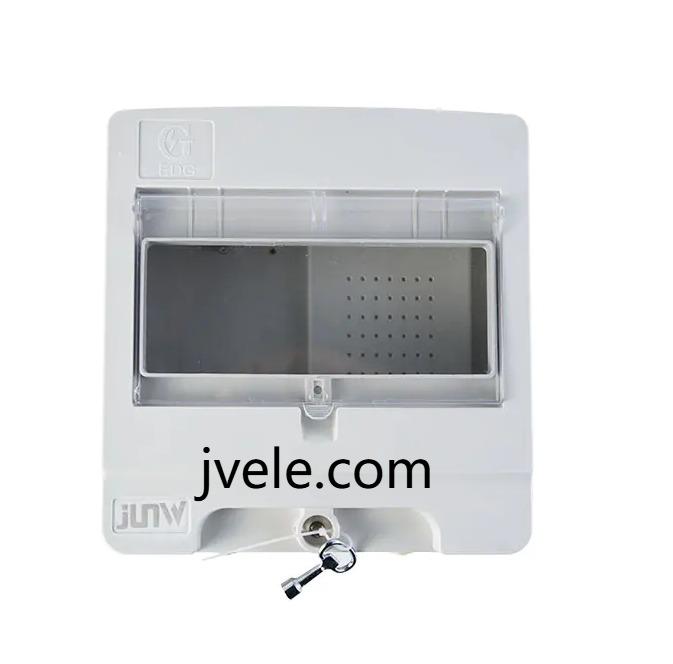
Electrical distribution systems need protective devices that respond to different fault conditions while remaining compatible with the installation environment. In residential buildings, commercial facilities, and industrial distribution networks, a PG Circuit Breaker can serve as an important component for managing electrical connections and supporting circuit protection. Its value lies in the coordination of internal mechanisms, insulation materials, switching components, and protective functions. Buyers should therefore evaluate the complete product design rather than focusing on a single feature when selecting equipment for a distribution project.
The enclosure is an important part of the product because it separates internal electrical components from the surrounding environment. Insulating engineering plastics are commonly used in circuit breaker construction to support electrical isolation and mechanical protection. Flame-retardant materials are particularly relevant because electrical equipment may experience abnormal heating during fault conditions. A suitable enclosure material should also maintain its structural integrity during normal handling, installation, and operation. Material consistency is therefore an important consideration for manufacturers and purchasing teams.
Inside the device, conductive contacts and mechanical components work together to control the electrical path. Contact materials need to support effective electrical conduction while tolerating repeated switching operations. The operating mechanism must also coordinate with the protective release components so that the contacts can separate when the device detects a condition requiring interruption. The quality of these internal parts influences the overall operation of the finished breaker.
When selecting a product, buyers should first understand the electrical system in which it will be installed. Distribution arrangements, wiring configurations, connected equipment, and local electrical requirements all affect product suitability. It is also important to distinguish between circuit breakers that provide overload and short-circuit protection and products that incorporate residual current protection. These functions address different electrical risks, and the required combination should be determined by a qualified electrical professional.
PG series products may be available in different functional configurations to accommodate different distribution requirements. Some versions focus on conventional overcurrent protection, while other versions combine overcurrent protection with residual current detection. This distinction matters during procurement because the selected device must correspond with the protection strategy of the complete installation. Buyers should carefully review product descriptions, wiring diagrams, certification documents, and manufacturer instructions before confirming an order.
The technical operation of an integrated protective device involves several coordinated processes. During normal operation, the contacts maintain the electrical connection. When an overload or short circuit occurs, the corresponding release mechanism responds and separates the contacts to interrupt the affected circuit. In products with residual current protection, an additional detection function monitors differences between outgoing and returning current. When an abnormal imbalance is identified, the device can initiate disconnection according to its designed operating characteristics.
Arc control is another important part of the internal structure. Separating electrical contacts can produce an arc, so the device needs an appropriate internal arrangement to manage the interruption process. The arc-control assembly, contact system, operating mechanism, and insulating enclosure must function together. Consistent component positioning and careful assembly help support the intended performance of the complete product.
The user experience begins with installation. Electricians need clear terminal identification, understandable wiring instructions, and a product structure that fits the intended distribution enclosure. Different installations may require different wiring arrangements, so product documentation should make connection requirements easy to identify. Buyers should also consider the availability of compatible protection boxes and other distribution accessories when planning a complete installation.
Routine inspection is part of responsible electrical system management. Users should pay attention to unusual heating, visible damage, abnormal operating sounds, and repeated unexpected disconnections. These signs should be investigated by qualified personnel rather than addressed by repeatedly resetting the breaker. A well-organized product layout and clear identification markings can make inspection and replacement procedures easier to manage.
The external design also affects how the device fits into a distribution system. A clearly marked operating handle helps users identify the switching position, while organized terminal areas support installation work. A consistent enclosure shape can make it easier to arrange several devices within a distribution panel. Where a protection box is used, its internal layout should provide suitable space for connections and allow authorized personnel to inspect the installed equipment conveniently.
Manufacturing quality is particularly important for products that combine multiple protective functions. Buyers can review the manufacturer's incoming material inspection, assembly controls, functional testing, and product traceability procedures. They should also request the relevant certification and test documentation for the specific model being considered. These records help purchasing teams assess whether a product is appropriate for the intended market and installation requirements.
Zhejiang Junwei Electric Co., Ltd. develops and manufactures electrical distribution and protection products, including PG series differential circuit breakers, miniature circuit breakers, meter boxes, and related accessories. Its PG product range includes configurations with and without residual current protection, allowing buyers to discuss different protection requirements with the company. The manufacturer also describes its research and development capabilities, laboratory testing, and finished-product inspection processes. More information about its electrical products and solutions is available at https://www.jvele.com/.
Categories
Read More
L'adozione delle criptovalute nei casinò online nel 2025: trend emergenti, sfide di sicurezza e opportunità per il mercato italiano del gioco d'azzardo Nell'anno 2025, l'adozione delle criptovalute nei casinò online ha raggiunto un punto di svolta significativo, trasformando il panorama del gioco d'azzardo digitale. Con l'aumento della popolarità delle criptovalute e...

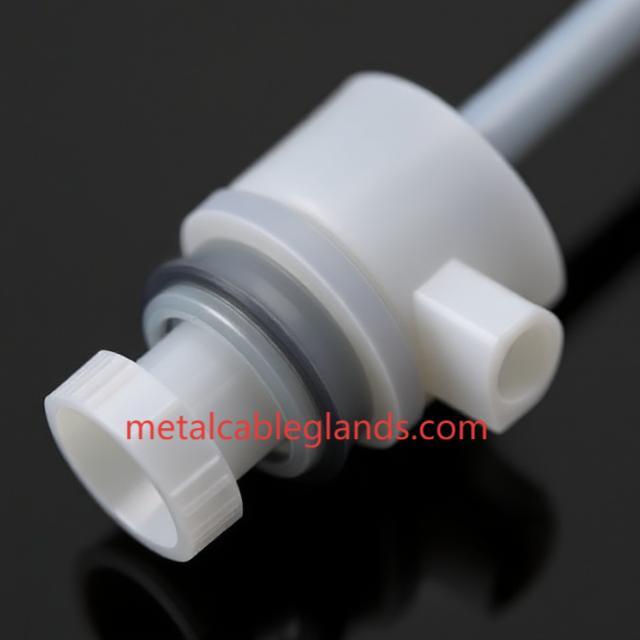
Modern electrical enclosures need more than simple sealing to perform reliably in outdoor and industrial environments. A Waterproof Breathable Valve Manufacturer can provide ventilation components that balance enclosure protection with controlled air exchange, while choosing the right Waterproof Breathable Valve Manufacturer can help equipment producers address pressure changes, condensation,...
The Dishwasher Market exhibits distinct regional characteristics shaped by local economic development, consumer preferences, and regulatory environments. While Europe is currently the largest market, the Asia-Pacific region is the fastest-growing, and the Middle East and Africa offer significant potential. This article provides an in-depth analysis of these major regional markets....

Angela Armchair introduces an interesting idea for anyone interested in creating a more personal living environment: what makes a particular corner of a home feel inviting Sometimes, the atmosphere of a room is shaped by small details rather than major renovations. A comfortable place beside a window, a carefully positioned reading lamp, or a thoughtfully selected piece of furniture can...

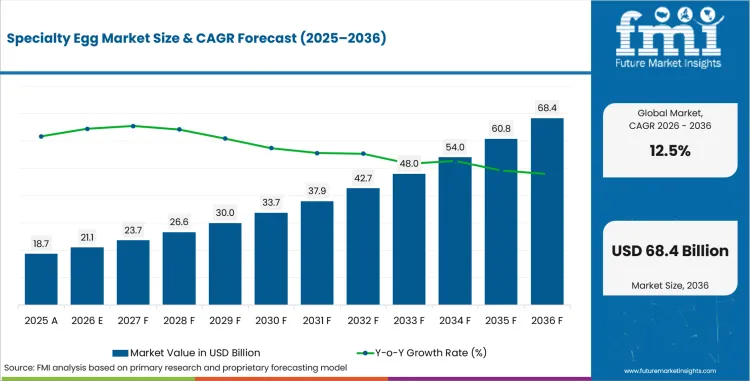
Specialty Egg Market as Consumers Shift Toward Premium and Certified Egg Products The global Specialty Egg Market is entering a period of accelerated expansion as consumers, retailers, and food producers increasingly shift toward cage-free, organic, and nutritionally enhanced egg products. According to Future Market Insights, the market is projected to increase from USD 21.1 billion in 2026 to...