Zuohao BPA-Free Bottles: What Plastic Walls Can Take
A common doubt about a printed drinking vessel given as a present is that it will look fine on the day it arrives and then crack, fade or smell odd within a season. A Gift Customized Water Bottle is meant to be wrapped, handed over and then used for a long time, so the buyer is really asking whether the body can take a drop on a kitchen floor, a rinse in hot water and an afternoon on a car seat in summer, and I find the answer starts with what the body is made from and how thick the wall was left, long before anyone looks at the artwork on the front.
BPA-free is a statement about one compound being absent from the resin, and it says little about toughness, so I turn the vessel over and read what is stamped into the base, since a material code there at least tells me which family of plastic I am holding. A clear, glossy body tends to show scratches and stress lines sooner than a frosted or tinted one, while a matte surface hides small scuffs but can hold on to grease from fingers, which matters when the thing is carried around every day. None of this is dramatic, yet it explains why two bodies that look alike on a shelf age differently in a bag.
Toughness shows up in the wall. I press a thumb against the side of an empty one and feel how much it gives, then rap the base with a knuckle and listen to the note, because a flat dull sound usually means material thick enough to resist a knock, whereas a high rattle suggests a thin shell that will crack along a seam after a hard fall. A wall that folds in under light pressure will also squeeze the drink out of the spout when someone grips it in a hurry, which is a small annoyance that spoils a gift quickly.
The sample on the stall table came from Zuohao, a factory in Taizhou with over ten years of experience making BPA-free plastic water bottles, and the person handing it to me said custom designs are part of the work and that quality control checks are run on the output. I could not verify that from a stall, so I judged just what was in my hand, which was a seam along the side that felt smooth under a thumbnail and a thread that turned without grit.
Printing is the surface that suffers first, so I scrape a fingernail across a printed area in an unobtrusive spot and see whether the colour lifts or merely whitens a little. Ink applied to the outside of a moulded body tends to wear where hands grip and where the base meets a table, and heat is the usual enemy, which is why I wash these by hand with warm, not hot, water and a soft sponge and let them dry open on a rack. Rough scrubbing with a gritty pad dulls the print long before the body itself shows any damage.
The lid and its ring are made of different material from the body and age at a different pace. I unscrew the cap and press a finger around the soft ring to check that it sits flat in its groove and springs back, because a ring that has taken a permanent kink will drip at the thread inside a bag, and I look at the thread on the body for any whitened stress mark, which is where cracks tend to begin after a drop on a hard floor. Replacing a worn ring is simple in principle, provided the ring is a common size, a question I ask before buying a quantity.
Temperature is the other test of a material. Cold makes plastic less forgiving, so a bottle left in a freezer or a winter car can crack along a thin seam if it is knocked, and heat softens it, so a body left on a sunny dashboard can warp slightly and no longer sit flat. Before the first drink I rinse a new one twice, fill it with warm water and baking soda for a while, and sniff the inside, since a faint factory smell normally fades with this treatment and a strong persistent one tells me to return it.
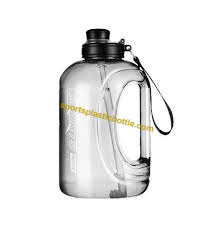
When I wrap a Gift Customized Water Bottle for someone I press the lid down until the thread seats and wipe the wall with a dry cloth. The product photographs on https://www.sportsplasticbottle.com show finished bodies in several colours, and in the paler ones the wall near the base looks slightly thicker than the sides, which is how moulded plastic tends to settle.
Categories
Read More
The Military IoT market is a global industry with distinct regional characteristics shaped by defense budgets, geopolitical tensions, and technological capabilities. From the dominant North American market to the fast-growing Asia-Pacific region, the Military IoT Market presents a diverse geographic landscape. North America holds the largest share, while Asia-Pacific is the...

The Avocado Oil Market exhibits distinct regional characteristics shaped by local consumer behavior, economic development, and agricultural production. While North America dominates the market, the Asia Pacific region is a significant and growing player. This article provides an in-depth analysis of the major regional markets. Market Dynamics North America: The Dominant Market North...

Ewolucja gier losowych w wirtualnej rzeczywistości: Jak technologie https://casino-fs.com/pl-pl/ immersyjne zmieniają doświadczenia graczy w kasynach online w 2026 roku W miarę jak technologia rozwija się w zawrotnym tempie, wirtualna rzeczywistość (VR) stała się nową granicą w świecie gier losowych. W 2026 roku, VR nie jest już tylko futurystyczną wizją, lecz namacalnym doświadczeniem,...

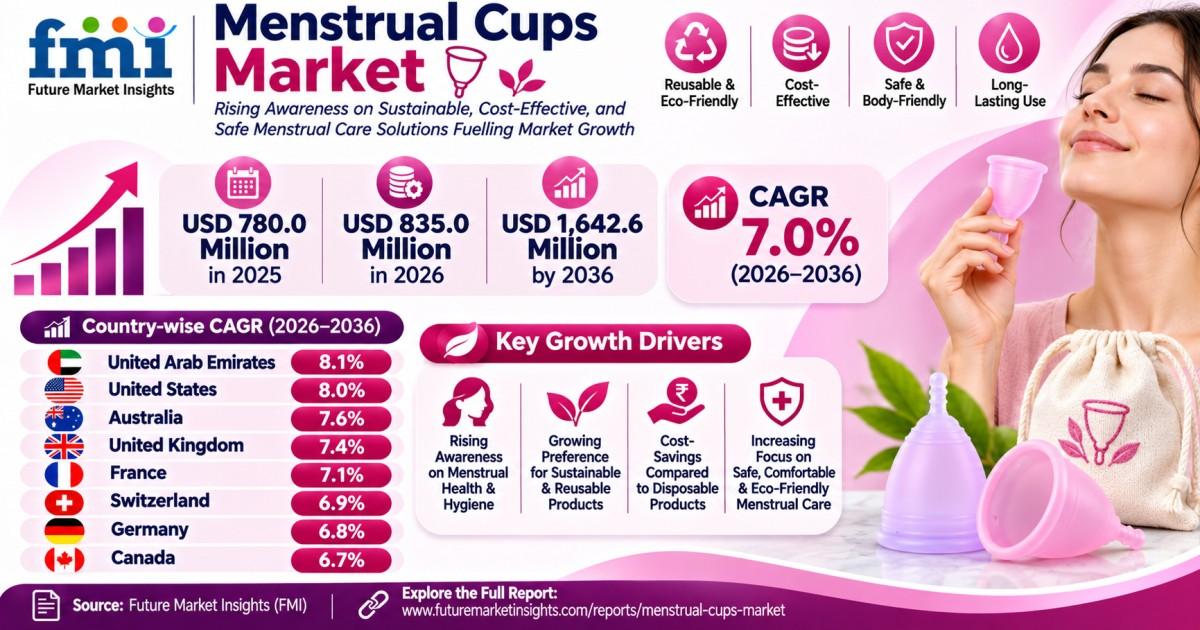
The feminine hygiene industry is gradually moving beyond traditional disposable products as consumers explore more sustainable, convenient, and cost-effective menstrual care options. Menstrual cups are gaining attention as an alternative to conventional sanitary pads and tampons, particularly among consumers who want to reduce monthly hygiene expenses and minimize waste. Made from...
Other Ventilation solutions help businesses address different air movement requirements across commercial buildings, industrial facilities, workshops, and specialized indoor environments. Selecting suitable equipment requires more than checking a fan size or motor rating. Buyers need to consider the purpose of the installation, the volume of air that must move, the resistance within the...