Inside the Flow Control Industry: Digital Transformation Meets Emissions Compliance

As per Market Research Future's analysis, the Flow Control Industry is undergoing a profound transformation, driven by regulatory pressure, digitalization, and infrastructure investment. With the market valued at USD 5.78 billion in 2025 and projected to reach USD 14.49 billion by 2035, the industry's evolution reflects broader trends in emissions control, predictive maintenance, and water infrastructure.
The Strategic Importance of Flow Control
Flow control is the backbone of industrial processes, enabling precise management of liquids and gases. From oil and gas to water utilities, flow control components ensure safety, efficiency, and environmental compliance.
Enabling Emissions Compliance
Methane regulations are driving demand for low-emission valves, electric actuators, and continuous monitoring, converting compliance budgets into equipment orders.
Improving Efficiency
Smart positioners and networked flow meters enable predictive maintenance, reducing failures and downtime.
Industry Trends and Innovation
Smart Devices and Predictive Maintenance
Smart positioners record valve signatures, friction, and seat wear, enabling maintenance teams to service units before failure.
Electric Actuation
Electric actuators are replacing pneumatic devices, removing compressed air penalties and improving precision.
Digitalization
Digital platforms for monitoring, control, and maintenance are improving efficiency and reducing downtime.
Hydrogen and Carbon Capture
Decarbonization projects require valves rated for embrittlement, high pressure, and dense-phase CO2.
Production and Supply Chain Dynamics
Specialized Manufacturing
Flow control manufacturing requires specialized processes and expertise. The industry is moderately concentrated among major players.
Global Supply Chains
Supply chains for components and materials are global, requiring resilience and diversification.
Quality and Certification
Products must meet stringent safety and performance standards, requiring rigorous testing and certification.
Competitive Landscape
Major Players and Strategies
Key players include Emerson, Flowserve, Siemens, Honeywell, Schneider Electric, ABB, and Endress+Hauser. These companies are investing in digital capability and expanding product portfolios.
Technology Leadership
Companies that lead in smart devices and analytics gain competitive advantages.
Acquisitions
Acquisitions are common, with companies targeting digital capability and specialized products.
Regional Industry Dynamics
Asia-Pacific: Growth Engine
Asia-Pacific leads in growth, driven by greenfield manufacturing, LNG imports, and municipal water investment.
North America: Compliance-Driven
North America relies on compliance-driven replacement, driven by methane rules and water funding.
Europe: Regulatory Leadership
Europe leads in regulation, particularly methane and water quality, driving demand for smart, efficient products.
Middle East and Africa: Emerging Market
The region offers growth potential as industrialization and desalination investment increase.
Challenges and Opportunities
Raw Material Prices
Price volatility squeezes margins, requiring procurement strategies.
Skilled Technician Shortage
The shortage of instrument technicians slows commissioning and limits use of advanced features.
Opportunities in Hydrogen
Hydrogen and carbon capture projects offer premium pricing opportunities.
Opportunities in Data Monetization
Valve and pump diagnostics are turning into recurring revenue.
Future Outlook
The flow control industry is poised for strong growth, driven by regulation, digitalization, and infrastructure investment. By 2035, the industry is expected to be more digital, more efficient, and more compliance-focused.
Companies that combine mechanical depth with secure analytics will be best positioned to succeed.
Explore additional reports to understand evolving market landscapes:
Categorii
Citeste mai mult
Adhesive Tape For Breasts delivers practical support that helps clothing stay aligned with body contours during wear. It creates a custom foundation that works with strapless tops, open back dresses, and deep neckline pieces by securing soft tissue in a chosen position. Users apply the material in layered strips that follow natural curves and distribute weight evenly so garments sit...

Energy efficiency and carbon footprint reduction have evolved from simple regulatory checks into core engineering mandates across global manufacturing. Key findings within the Power Transmission And Motion Control Market trends indicate that industrial motors and driven equipment consume a major portion of all global electrical energy. As a result, upgrading to energy-efficient motor designs...
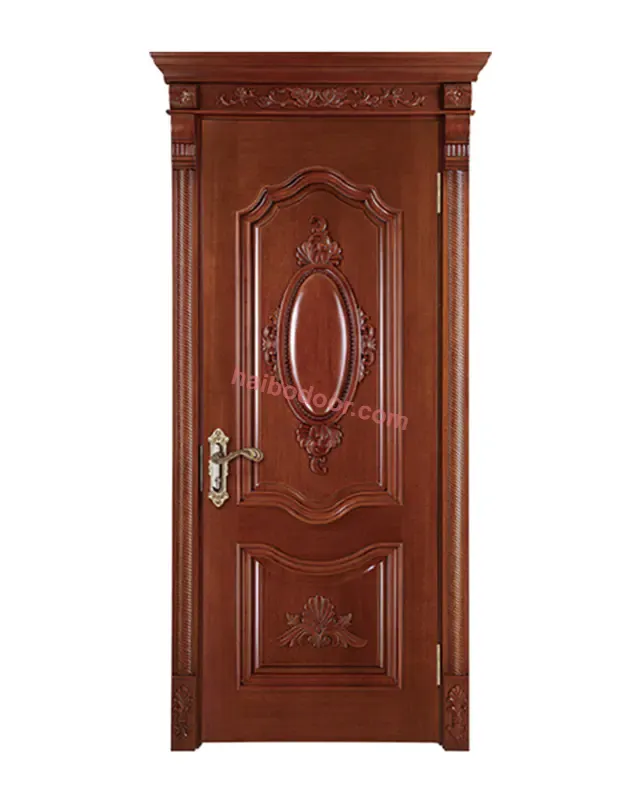
Importing wooden doors involves decisions that extend beyond appearance and price. Buyers need to understand the materials, construction, finish, production process, and order details before confirming a purchase. A clear conversation with a Wooden Door Factory can help prevent mismatched expectations and support smoother project coordination. For international buyers exploring interior...
Germany automotive manufacturers are world-renowned for producing premium vehicles, combining engineering excellence, performance, and innovation. The Germany Automotive Manufacturers market is projected to grow substantially, driven by global demand for premium vehicles and technological innovation. These manufacturers are essential for global mobility. Germany automotive OEM is...

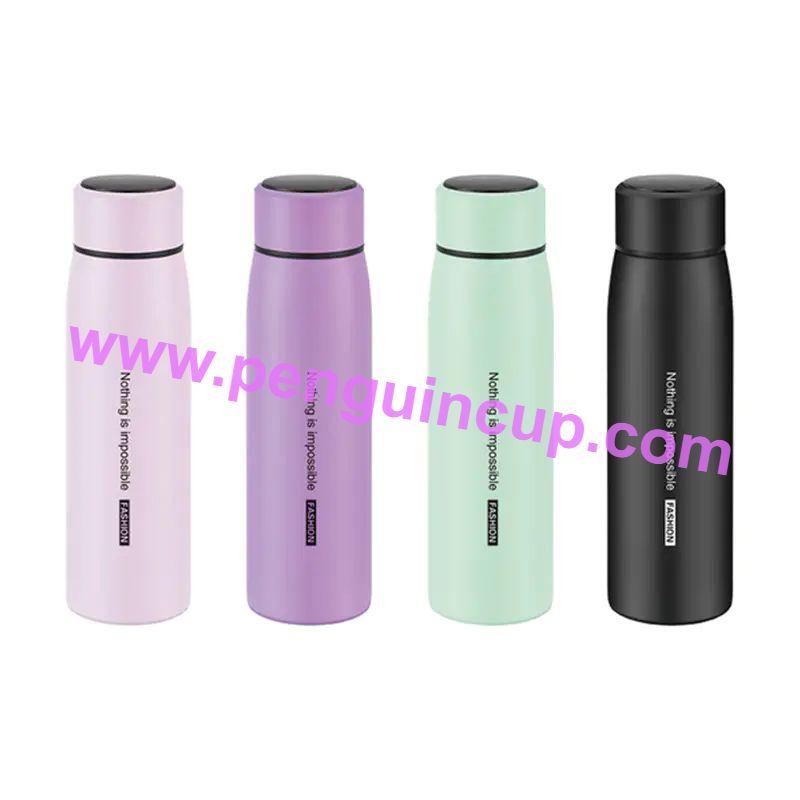
A common hesitation when shopping for an insulated flask is the suspicion that all of them are the same stainless steel cylinder with a different colour on the outside, and that any difference in price must come from the printing. Holding one in each hand usually corrects that, because a Thermos Flask Cup with Handle differs from a plain bottle in ways that show up in how you lift it, pour from...