Is the Battery Really the Cause of a No-Charge Condition
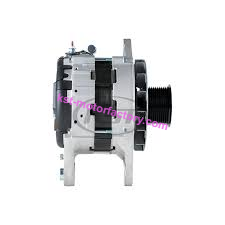
A machine that will not start leads most operators to the battery, and swapping in a new one often brings a day or two of normal operation before the same problem returns. That pattern points away from the battery entirely, because a battery that keeps draining on a machine that runs daily is being asked to supply power that something else should be providing. When a Construction Machinery Alternator stops charging, the battery becomes a symptom rather than a cause, and replacing it merely resets the clock. Diagnosing the charging circuit in the right order finds the actual fault, and kst-motorfactory builds alternators for excavators, loaders, and other equipment where these faults appear most often. So which checks belong at the front of the sequence?
Belt Condition and Tension
The alternator turns because a belt turns it, and a belt that slips under load delivers a fraction of the output the unit was built to produce. Glazing on the belt surface, cracking along the ribs, and tension that has drifted below specification all reduce charging without producing an obvious noise. Operators sometimes tighten a belt far past specification to stop a squeal, which loads the bearings and shortens their life. Checking tension against the machine specification and inspecting the belt surface takes minutes and eliminates a common cause before any electrical test begins.
Brush Wear and Regulator Function
Brushes carry current to the rotor, and they wear down over thousands of running hours. Worn brushes weaken the magnetic field, so output falls gradually and the battery drains slowly enough that the connection to the alternator goes unnoticed. A voltage regulator that has failed produces the opposite pattern, with voltage swinging or dropping to nothing at all. Both components sit inside the unit and are reached through disassembly, so testing output at the battery terminals first tells the technician whether the alternator is producing anything before the unit comes apart.
Wiring, Grounds, and Resistance
A charging system can fail at the connections as easily as inside the alternator. Corroded terminals, a loose charging cable, or a ground strap with resistance added by rust all interrupt the path between alternator and battery. Voltage measured at the alternator output and voltage measured at the battery should sit close together, and a gap between them points to the wiring rather than the unit. This test costs nothing beyond a multimeter and saves the expense of replacing a healthy alternator.
Load Calculations After Accessories Are Added
A machine that charges correctly in stock form may fall short once work lights, radios, or additional electronics draw on the system. The original alternator was sized for the original electrical load, and added equipment can push total demand past what the unit supplies. Calculating the combined draw of installed accessories against the alternator rating shows whether the charging system was adequate to begin with, and that calculation prevents repeated battery replacements on a machine that simply needs a higher-output unit.
Matching a Replacement to the Machine
When the diagnosis points to the alternator itself, the replacement must match voltage, current rating, pulley configuration, and mounting points. Buyers comparing models can review voltage, current, and pulley specifications at https://www.kst-motorfactory.com/ before ordering, and matching those figures to the machine prevents a repeat visit for the same fault.
Ordering the checks properly matters more than ordering parts, and a Construction Machinery Alternator that measures correctly on the bench often turns out to have been the wrong suspect all along. Technicians who test belt, brush, regulator, and wiring in sequence spend less on parts and find the fault sooner, and buyers who confirm specifications against the machine before purchase avoid a second round of the same repair. The team behind kst-motorfactory keeps those specifications on hand for anyone comparing models.
Categories
Read More
The global landscape of digital interaction is undergoing a profound transformation as immersive technologies transition from niche entertainment novelties into fundamental pillars of modern communication, enterprise operations, and consumer entertainment. At the core of this technological evolution are cutting-edge hardware innovations designed to seamlessly blend digital assets with physical...

Off-Grid Energy Storage System works quietly in the background, storing energy during available input periods and releasing it when needed. Ergenergy designs systems that aim to support this balance in practical living environments. In remote homes, energy does not arrive in a constant flow. It depends on sunlight, weather, and timing. Morning light may fill storage gradually, while cloudy...

The global Janus Kinases (JAKs) inhibitor drug market is experiencing remarkable growth, driven by increasing prevalence of autoimmune diseases, advancements in drug development, and expanding therapeutic indications. JAK inhibitors represent a class of targeted therapies that modulate immune responses by blocking specific signaling pathways, offering effective treatment options for conditions...

Имеется много ресторанов, в которых подают блюда определенной страны, так например Мексики, Вьетнама, Китая, Италии или Кореи. Но в основном там предоставляют только блюда, не особо обращая внимание на окружение, модель подачи блюда и разумеется рецепты. По сути блюдо "корректируют" под привычные нам критерии. В том случае, если хотите оценить истинную национальную корейскую кухню, то советуем...
304 Stainless Steel Smart Lock is commonly used in outdoor gate environments where long-term exposure to weather conditions creates ongoing performance challenges. Gates are often installed in open areas, meaning they are directly affected by rain, sunlight, wind, and temperature variation throughout the day and across seasons. Outdoor environments are dynamic rather than stable. During...