How Food Fortification Supports Nutritional Quality Across Food Products
Nutritional quality is an important consideration in food production because the composition of a product influences its role within the overall diet. Food fortification provides manufacturers with an approach for incorporating selected nutrients into suitable foods, helping improve their nutritional profiles without necessarily changing their familiar format. This practice can be relevant to cereals, flour, dairy products, beverages, and other processed foods. By integrating nutritional objectives into formulation decisions, food producers can develop products that reflect specific dietary needs while maintaining their expected characteristics.
The concept of essential nutrient supplementation is closely related to the broader discussion of improving nutritional intake through food. In food manufacturing, adding selected nutrients to a product can help address identified nutritional gaps when the approach is appropriate for the intended population and complies with applicable requirements. The choice of nutrient, food vehicle, and delivery method must be carefully evaluated to ensure that the finished product provides its intended nutritional characteristics without compromising safety, taste, texture, or stability.
Understanding Nutritional Quality in Food Products
Nutritional quality refers to the composition of a food and the nutrients it contributes to a person's overall dietary intake. Different foods provide different combinations of vitamins, minerals, protein, fats, carbohydrates, and other components.
Fortification can improve selected aspects of this composition by adding nutrients that are appropriate for the product. However, it does not automatically make a food nutritionally balanced. The overall nutritional value of a product continues to depend on its complete formulation, including its energy content, other ingredients, and broader dietary context.
Manufacturers should therefore establish a clear nutritional purpose before introducing fortifying agents. This helps ensure that ingredient selection supports a meaningful objective rather than relying on general health-oriented positioning.
Choosing Suitable Foods for Fortification
The suitability of a food for fortification depends on its consumption patterns, composition, processing requirements, and role in the diet. Commonly consumed foods may offer practical opportunities to incorporate nutrients into established eating habits.
Cereal products and flour can provide suitable formats for selected vitamins and minerals. Dairy products and alternatives may be considered for nutrient formulations that align with their intended use. Beverages and packaged foods can also accommodate fortifying agents when the ingredients remain compatible with the product.
However, not every nutrient is suitable for every food. Manufacturers need to assess the physical and chemical properties of ingredients, including solubility, sensitivity to heat, and potential interactions with other components. Product-specific testing is necessary to identify the most appropriate formulation.
Maintaining Nutrient Stability
Nutrient stability is central to the production of reliable fortified foods. Certain vitamins may be sensitive to heat, oxygen, moisture, or light, while minerals can interact with other ingredients under particular conditions.
Processing methods and storage environments may influence the amount of a nutrient that remains available in the finished product. Manufacturers should therefore evaluate ingredient behaviour throughout the product lifecycle, including manufacturing, packaging, distribution, and storage.
Packaging can contribute to product protection when it is selected according to the food's characteristics and storage requirements. Appropriate production controls and stability testing can also help manufacturers understand whether a formulation maintains its intended nutritional profile.
Food Safety and Responsible Formulation
Food fortification must be conducted within applicable safety and regulatory frameworks. Manufacturers need to confirm that ingredients are permitted for their intended use and that the finished product meets relevant compositional and labelling requirements.
Accurate dosing is particularly important because nutrient concentrations must remain within applicable limits. Effective mixing, production monitoring, and appropriate analytical testing help maintain consistency.
Responsible communication is equally essential. Nutritional claims should reflect the actual product composition, and manufacturers should avoid suggesting that fortified foods replace a varied diet or provide benefits that have not been adequately established.
Integrating Fortification into Future Food Development
Food fortification will remain a relevant consideration as manufacturers evaluate ways to improve product composition. Continued attention to formulation science, ingredient quality, processing efficiency, and consumer understanding can support more consistent development practices.
The most suitable approach will depend on the food category, intended nutritional purpose, and needs of the people expected to consume the product. By combining appropriate fortifying agents with rigorous quality management, manufacturers can work toward products that deliver defined nutritional characteristics while maintaining safety, quality, and consumer confidence.
FAQs
Q1. Can food fortification improve the nutritional quality of everyday foods?
Yes. When appropriate nutrients are added to suitable foods, fortification can improve selected aspects of their nutritional composition.
Q2. Does eating fortified food eliminate the need for a balanced diet?
No. Fortified foods can contribute to nutrient intake, but a varied and balanced diet remains important for overall nutritional wellbeing.
Categorieën
Read More
The CNC Machine Market represents the comprehensive landscape of precision manufacturing innovations, providing the essential technologies that enable efficient, accurate, and high-quality component production through integrated systems of CNC machining centers, CNC turning centers, CNC lathes, CNC milling machines, and specialized equipment designed for maximum production efficiency,...

The commitment to pure, unadulterated food is steering a growing number of shoppers toward the Organic fruit chips market. Organic certification guarantees that the fruits are grown without synthetic pesticides, herbicides, or genetically modified organisms, a promise that resonates deeply with clean eating enthusiasts. As per Market Research Future, the organic fruit chips segment is...
Using a grinder by hand is a simple kitchen routine, yet the way it is held, adjusted, filled, and operated can influence the final seasoning experience. Unlike powered equipment, a manual design puts the grinding action directly in the user's hands, allowing the amount and texture to be controlled through physical movement. For anyone exploring a Manual Pepper Grinder, understanding the basic...
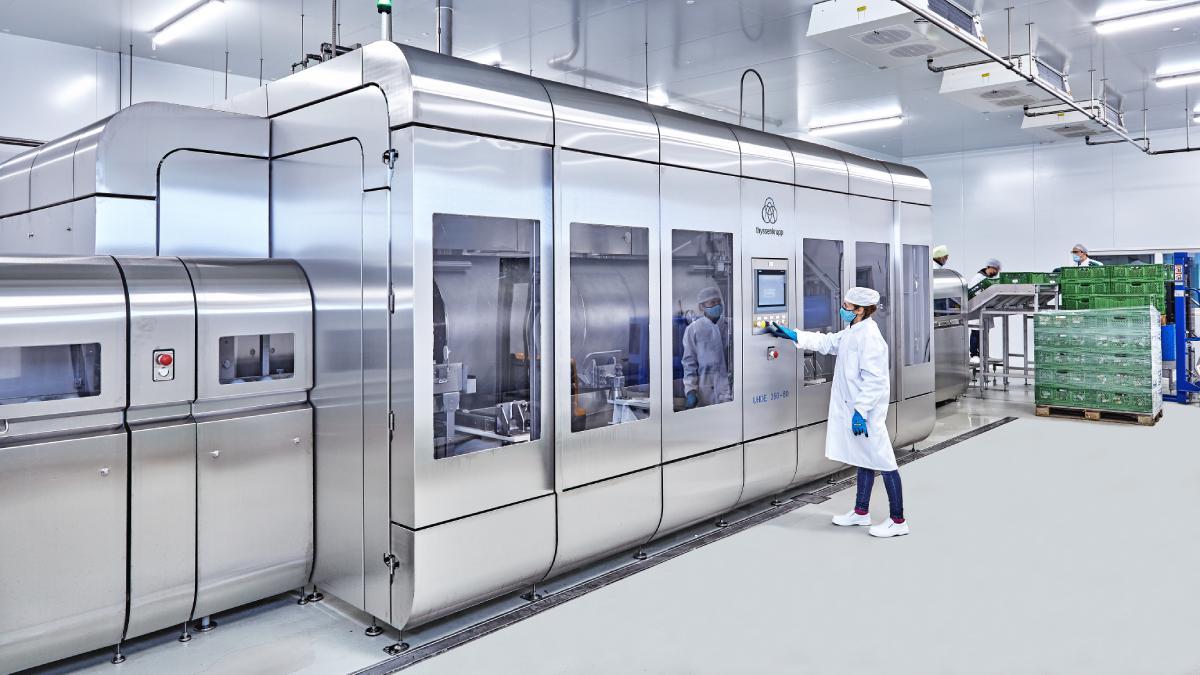
The global Non-Thermal Processing market is experiencing rapid growth as consumers increasingly demand fresh, natural, and minimally processed foods that retain their nutritional value, flavor, and texture. These innovative preservation technologies—including High-Pressure Processing (HPP), Pulsed Electric Fields (PEF), ultrasound, and cold plasma—offer alternatives to traditional...
In a time when pet care is becoming more thoughtful and adaptive, the Intelligent Pet Water Dispenser from pawtechpet offers a subtle yet meaningful way to support daily hydration. Rather than relying on traditional bowls that require frequent checking, this approach reflects a shift toward consistency and ease, helping pet owners manage routines with greater flexibility while keeping their...