What Should Buyers Check Before Choosing a Hard Seal Ball?
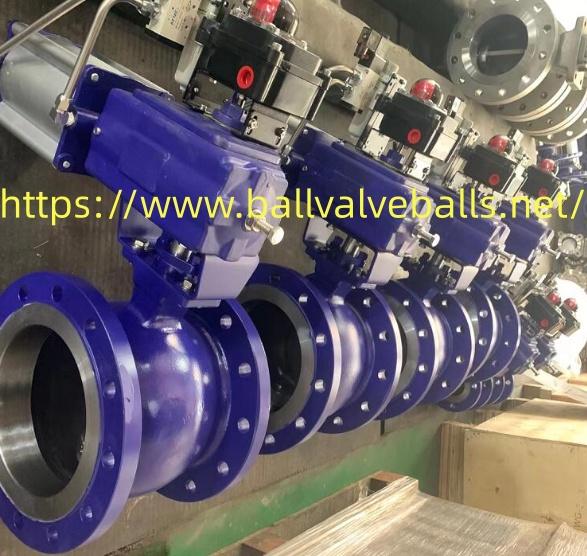
Hard Seal Ball selection requires a structured review of operating conditions, material properties, dimensional tolerances, and manufacturing requirements. For industrial valve buyers, these details help determine whether a component can match the intended assembly and service environment. Before requesting a quotation, procurement teams should prepare technical drawings, application details, expected order quantities, and inspection criteria. Clear information allows manufacturers to assess feasibility and discuss practical production arrangements.
Define the Operating Conditions
The working environment influences material selection, surface treatment, and dimensional requirements. Buyers should identify the medium being handled, operating pressure, temperature range, and expected service conditions. Corrosive fluids, abrasive particles, and frequent operating cycles may create different demands on the component.
It is also useful to explain the valve structure and intended application. A component designed for a general industrial system may require different specifications from one used in chemical processing, energy equipment, or other demanding environments.
Sharing these details early helps the manufacturer evaluate the request and identify technical questions before production begins.
Confirm the Base Material
Material selection affects wear behavior, corrosion resistance, machinability, and service life. Buyers should review the proposed alloy grade and confirm whether it is appropriate for the working medium and temperature range.
When comparing quotations, check whether each supplier is offering the same material specification. Similar product descriptions do not necessarily indicate identical chemical composition or mechanical properties.
For projects requiring documented material traceability, ask whether inspection certificates or other supporting records can be provided. These documents help purchasing teams verify that delivered components correspond to the agreed requirements.
Evaluate Surface Treatment Requirements
Surface condition can influence sealing performance, wear behavior, and compatibility with the mating parts. Depending on the application, buyers may need to specify a coating, hardening process, polishing method, or other finishing treatment.
Discuss the required surface hardness, coating thickness where applicable, and acceptable surface defects. If the design includes a defined roughness value, include it in the drawing or technical specification rather than relying on a general description.
Buyers should also ask how the treatment will be inspected. Written acceptance criteria help both parties evaluate samples and maintain consistent expectations during repeat orders.
Check Dimensional Accuracy and Seat Compatibility
Dimensional accuracy is essential when the component must fit an existing valve assembly. Review the specified diameter, roundness, concentricity, tolerances, and relevant connection dimensions.
The mating seat and related components should be assessed together. Even when individual dimensions fall within their stated limits, the assembled parts may require further checks to confirm appropriate contact and sealing behavior.
Before approving a production order, provide the latest drawing revision and identify any critical dimensions. Sample inspection or an agreed measurement report can help confirm that the proposed design meets the project's requirements.
Review Sample Approval and Quality Records
A sample evaluation gives buyers an opportunity to verify dimensions, surface condition, material documentation, and compatibility before committing to larger quantities.
Agree on the inspection method and acceptance criteria in advance. Depending on the application, checks may include dimensional measurement, coating verification, visual inspection, or testing within the assembled valve.
Buyers should also ask about in-process inspection, final inspection, batch identification, and nonconforming product handling. These procedures clarify how quality concerns are identified and managed throughout the order cycle.
Compare Quotations and Production Details
A useful quotation should cover more than the unit price. Compare tooling charges, minimum order quantities, sample costs, production lead times, packaging, delivery terms, and payment conditions.
Confirm whether the quoted price includes the required material, finishing treatment, inspection documents, and packaging specifications. If several suppliers are being considered, use the same drawing and acceptance criteria for each request so the quotations can be compared fairly.
Communication is another practical consideration. A supplier should be able to clarify technical questions, confirm drawing changes, and provide realistic updates about production progress. Written confirmation of specifications and delivery arrangements helps reduce misunderstandings during purchasing.When discussing a project with ballvalveballs, prepare the valve drawing, operating conditions, required material, surface-treatment preferences, order quantity, and inspection requirements. These details help the manufacturer assess the request and clarify technical questions before quotation. To review available component options and submit an inquiry, visit https://www.ballvalveballs.net/
Categories
Read More
The global shipping industry depends on marine vessel assistance services to ensure safe and efficient operations in ports, harbors, and offshore environments. According to Market Research Future, the Tugboats Service Market was valued at $3.51 billion in 2024, with projections reaching $5.00 billion by 2035 at a compound annual growth rate of 3.26%. This growth reflects the essential...

The Automotive Insurance Market Size is expanding rapidly, projected to reach significant valuations by 2035 due to persistent demand for vehicle coverage. This market expansion is supported by technological advancements that enhance precision in risk evaluation. As the industry scales, insurers are focusing on diversifying their offerings to satisfy a wide demographic range. Market Overview...

The automotive industry is becoming increasingly dependent on electronic controls and human-machine interfaces. Modern vehicles incorporate numerous electronic functions, ranging from dashboard controls and climate systems to infotainment and other vehicle interfaces. This increasing electronic integration is creating opportunities for membrane switch manufacturers. The membrane switch market...
Global EMI/RFI Suppression Choke Market, driven by accelerating electrification, 5G roll‑outs, and heightened regulatory focus on electromagnetic compatibility, is on a trajectory of significant expansion, projected to sustain a robust compound annual growth rate (CAGR) through 2032. This growth, detailed in a comprehensive new report published by Semiconductor Insight, underscores the...
Explosive athlete with simple to start with stage and twitchiness and can finish inside upon a QB simple the moment he excess of 34palms and 80Wingspan, Josephs consists of unbelievable duration for a DE and specially for his earn the leverage combat and initiate to start with call whilst not wasting the period beat upon the a wonderful Club in the direction of swipe absent opposing linemen's...