How Can zjgycnc Help Buyers Select Turning Equipment?
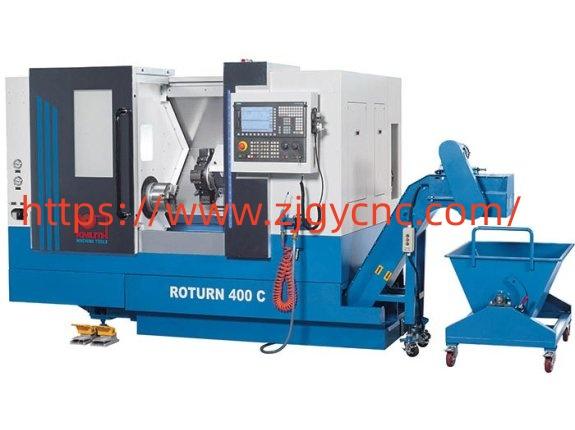
Compact CNC Lathe selection begins with the parts your workshop needs to manufacture, the available installation area, and the required production output. Buyers should assess component dimensions, material properties, machining operations, and tolerance requirements before comparing quotations. Defining these factors helps manufacturers identify suitable configurations and discuss practical equipment options based on their actual production tasks.
Establish Your Workpiece Requirements
Start by collecting drawings of the components you manufacture regularly. Record the maximum diameter, machining length, raw stock dimensions, and required tolerances. These measurements help determine the working range needed for your applications.
Consider the mix of orders your business receives. Repeated production of similar fittings may call for straightforward setups and consistent tooling arrangements. A workshop handling varied part designs may place greater emphasis on flexibility and convenient changeovers.
Material selection also influences machine requirements. Aluminum, brass, carbon steel, and stainless steel have different cutting characteristics. These differences affect spindle settings, tool selection, coolant requirements, and machining parameters. Providing material specifications and representative drawings gives the manufacturer useful information for assessing your project.
Measure the Available Installation Area
Before ordering equipment, measure the intended installation space and compare it with the machine dimensions. Include room for the operator, loading workpieces, opening access panels, changing tools, and carrying out routine servicing.
Consider supporting equipment as well. Coolant tanks, chip collection systems, tool cabinets, and optional accessories may require additional floor space. If the machine will operate beside existing production stations, plan how operators and materials will move between work areas.
Electrical requirements should be confirmed before delivery. Ask the manufacturer for the relevant specifications and arrange for a qualified electrician to check the installation site. Preparing the location in advance can reduce unexpected modifications and help the installation proceed according to plan.
Compare Spindle Specifications and Workholding
Spindle speed, motor power, torque characteristics, and bore dimensions should match the materials and workpieces you intend to process. These specifications need to be considered together rather than evaluated individually.
For example, machining small aluminum components may involve different cutting conditions from producing steel fittings. Discuss your common materials, cutting depths, and stock dimensions with the manufacturer to determine whether the proposed spindle configuration is appropriate.
Workholding also affects the range of parts a machine can handle. Check chuck dimensions, clamping methods, jaw options, and compatibility with your raw material. Long or slender components may require a tailstock or other support, depending on their geometry. Confirming these details before purchase can help prevent fixture problems after installation.
Select Tooling for Your Production Tasks
Prepare a list of operations required for your components, including turning, facing, threading, grooving, boring, and drilling. Compare these tasks with the available tool positions, holder interfaces, and turret configuration.
Some workpieces may include cross holes, flats, or milled features. If these operations are part of your production plan, ask whether live tooling or a separate machining process would be suitable. Additional functions should be selected according to actual application needs and expected order quantities.
The control system deserves attention too. Review programming compatibility, interface design, operator training, and access to technical support. A familiar operating environment can help employees prepare jobs and manage routine production changes more comfortably.
Review Chip Handling and Routine Servicing
Chip shape and volume depend on the material, cutting parameters, and tooling. Buyers should discuss their typical machining conditions with the manufacturer and review the available collection arrangements.
Check the enclosure, coolant delivery, chip tray, and options for automatic chip removal. A conveyor may be useful for certain production schedules, but its suitability depends on the expected chip volume, material, and workshop layout.
Maintenance access should be evaluated before confirming the configuration. Ask about lubrication, inspection points, coolant servicing, and recommended maintenance intervals. Confirm whether replacement parts are available and how technical assistance can be requested. These details help your team plan maintenance activities and account for ongoing operating expenses.
Calculate the Full Purchasing Budget
The equipment quotation is only one part of the overall investment. Buyers should also consider tooling, workholding accessories, transport, installation, operator training, electricity, servicing, and replacement components.
Request an itemized quotation that distinguishes included accessories from optional equipment. When comparing suppliers, make sure the proposed configurations cover the same production requirements. Differences in included tooling or service arrangements can affect the total cost.
For international purchases, clarify packaging, delivery terms, electrical requirements, warranty coverage, and documentation. It is also useful to agree on inspection procedures before shipment, including which machine functions and sample components will be checked.
Give the Manufacturer Detailed Application Information
A clear inquiry should include representative part drawings, material specifications, tolerance targets, expected quantities, and available installation space. Explain whether the equipment will handle repeat orders, varied components, or anticipated changes in production.
With these details, the manufacturer can discuss suitable configurations and identify technical questions that need further clarification. If practical, ask about sample machining or a demonstration to help evaluate the proposed setup before making a purchasing decision.For manufacturers planning small-part production or updating existing workshop equipment, zjgycnc provides a starting point for reviewing available machine options and discussing application requirements. Visit https://www.zjgycnc.com/ to review the company website and contact the manufacturer about equipment suited to your component dimensions, production workflow, and workshop conditions.
Categorías
Read More
North America has established itself as the dominant region in the global Glaucoma Therapeutics Market, driven by advanced healthcare infrastructure, high awareness of eye diseases, and significant investment in ophthalmic research. The region accounted for a substantial share in 2024 and is expected to maintain its leadership through 2035. The Glaucoma Therapeutics Market in North America...

How Does Lens Design Affect Led Truck Tail Lights Performance? Lighting systems used on commercial vehicles continue to evolve as transportation environments become increasingly diverse. Among various components within a rear lighting assembly, the lens often receives less attention than the light source itself. However, lens engineering has a substantial influence on visibility, signal...

The global Polarizing (PZ) Optical Fiber Market reached USD 85.1 million in 2024 and is estimated to reach USD 135 million by 2034, registering a CAGR of 7.0% during the forecast period. This growth is detailed in a comprehensive new report published by Semiconductor Insight, covering optical fiber technologies, applications, competitive developments, regional trends, and emerging...
Medical packaging requires careful attention to material structure, sterilization compatibility, product protection, and daily handling, making the Tyvek Breathing Bag from Hopeway AMD a practical option for applications that call for breathable packaging characteristics. Its design concept can support packaging environments where controlled interaction with sterilization processes is...
Trolley Luggage Factory selection should begin with a clear product brief covering dimensions, intended users, target market, design preferences, estimated quantity, price range, and expected delivery schedule. A detailed brief gives the manufacturing team enough information to evaluate suitable production methods. Before requesting quotations, buyers should determine whether they need...