


Should An IAC Valve Be Replaced?
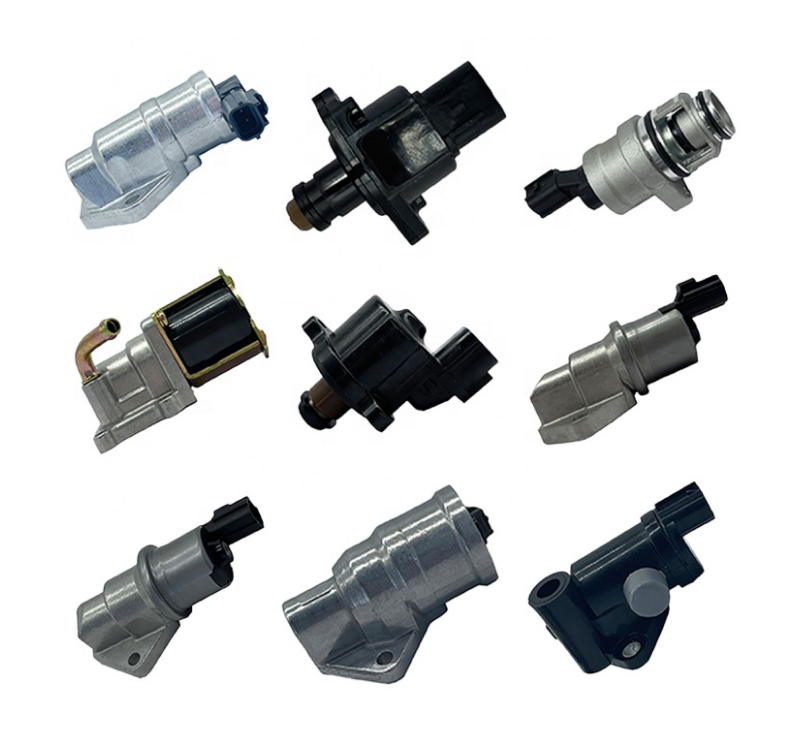
Engine performance depends on a balance between fuel delivery and airflow. At idle, this balance becomes particularly sensitive because the throttle plate is nearly closed, leaving limited space for air to enter the intake system. The Idle Air Control Valve provides a controlled bypass route, helping the engine maintain a stable speed under different operating conditions. Over time, carbon deposits can interfere with this process, raising an important question: can cleaning restore valve performance, or is replacement necessary?
The Idle Air Control Valve operates under commands from the engine control unit. As engine load changes, the ECU adjusts the valve opening to regulate bypass airflow. Cold starts, air conditioning engagement, power steering loads, and electrical accessories all require minor airflow adjustments to prevent RPM fluctuations. Studies of idle control systems show that PWM-controlled and stepper motor designs typically operate within a frequency range of 70–100 Hz for precise airflow management.
A typical IAC valve includes several technical features:
12V electrical operation.
Precision-machined pintle and seat.
Operating temperature from -40°C to 125°C.
Corrosion-resistant aluminum housing.
Sealed connector to reduce moisture intrusion.
Multi-position airflow control for ECU calibration.
Carbon buildup is one of the common maintenance issues affecting these components. Small amounts of oil vapor from the crankcase ventilation system combine with airborne particles, gradually forming deposits around the throttle body and bypass passage. As contamination increases, the valve pintle may move more slowly or fail to reach the commanded position.
Several symptoms can indicate contamination:
Engine idle speed changes unexpectedly.
RPM fluctuates while stopped.
Cold starts require additional cranking.
Engine stalls after starting.
Air conditioner engagement causes idle instability.
Fuel economy may decrease slightly because the ECU continuously adjusts fuel delivery to compensate for airflow irregularities.
Cleaning the valve is often a practical maintenance step. Technicians generally remove the component, inspect the pintle, and clean carbon deposits using approved throttle body cleaners. Care should be taken to avoid damaging seals or electrical components.
The throttle body itself should also be cleaned because deposits frequently accumulate inside the bypass passage. A clean valve installed into a contaminated throttle body may not fully solve idle issues.
Many Idle Air Control Valve manufacturers recommend inspecting related systems during maintenance. Vacuum leaks, damaged intake hoses, dirty air filters, and electrical connection problems may produce similar symptoms.
Electrical testing provides additional information about valve condition. Coil resistance measurements, connector inspection, and actuator movement checks help determine whether the problem is mechanical or electrical.
Replacement becomes necessary under several conditions.
Internal coil damage.
Broken pintle mechanisms.
Severe corrosion.
Housing cracks.
Repeated sticking after cleaning.
Unstable electrical resistance values.
Quality production methods influence service life. Idle Air Control Valve manufacturers often perform dimensional inspections, leakage testing, electrical verification, and repeated actuation cycles before products leave the factory.
Material selection also contributes to durability. Hardened steel shafts reduce wear, while engineered polymers and high-temperature seals improve long-term stability under engine compartment conditions.
Vehicle compatibility deserves attention as well. Replacement valves should match original mounting dimensions, connector types, airflow characteristics, and ECU calibration requirements. Small differences in airflow can affect idle quality even when installation appears correct.
Preventive maintenance helps reduce future problems. Replacing air filters, repairing oil leaks, cleaning throttle bodies, and inspecting intake hoses all support stable idle operation.
Modern electronic throttle systems have reduced the use of separate idle control valves in some applications, yet a large number of fuel-injected vehicles continue to rely on dedicated IAC units. Stable idle speed remains an important part of overall engine performance.
Regular cleaning can restore operation for valves affected by carbon buildup, while proper replacement procedures address mechanical or electrical failures. Through careful engineering and quality control, Idle Air Control Valve manufacturers continue supplying components that support reliable engine management across a wide range of vehicle applications.
Categories
Read More
EI Transformer Factory solutions play an important role in industrial and power applications where stable voltage conversion and dependable energy distribution are required. Across manufacturing facilities, utility projects, automation systems, and infrastructure developments, these products help support equipment operation and electrical safety. Nbcbdz focuses on providing magnetic core power...

The demand for premium winter sports equipment has grown considerably as consumers seek products that offer enhanced durability, superior performance, and advanced safety features. This trend is playing a significant role in shaping the Skiing Equipment Market and influencing manufacturer strategies across global regions. Premium equipment appeals to both recreational users and professional...

As product development continues to embrace both functionality and visual appeal, PVC Super Clear Film has become an important material for a variety of creative and industrial applications. ShanghaiMsd focuses on providing material solutions that support flexible manufacturing while encouraging designers and manufacturers to approach product development with greater confidence. From commercial...

Electric Powered Wheel Barrow Mini Dumper shows up more often on job sites where crews are trying to keep things moving without adding extra strain. With tighter schedules and smaller teams becoming common, having a simple way to handle materials can make everyday work feel more manageable. On many construction sites, moving materials is not complicated, but it takes time. Workers carry loads...
The Cough Remedies Market is on a steady growth trajectory, and understanding the key drivers behind this expansion is essential for stakeholders across the pharmaceutical and consumer healthcare spectrum. Several factors are converging to create a thriving market for cough relief products. From the aging population to the expansion of distribution channels and the rising awareness of health...