How Does Cnweiya's Wiper Design Perfect Waterproof Mascara Application
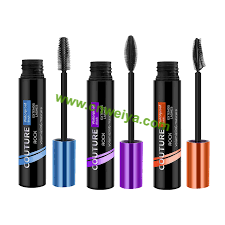
What wiper designs do Waterproof Mascara tubes use to remove excess product and prevent clumping? This question rarely surfaces in casual conversation, yet its answer profoundly influences daily makeup routines. The wiper, a simple rubber ring nestled inside the tube's neck, performs a critical function. It scrapes surplus formula from the brush as it withdraws, ensuring an appropriate amount remains for lash coating. An improperly designed wiper leaves either too much product, causing clumpy, heavy lashes, or too little, resulting in weak, barely-there color. This small component separates satisfactory mascara from exceptional ones, affecting user satisfaction and product perception. For brands aiming to deliver consistent quality, partnering with a manufacturer that understands wiper dynamics is essential. Consider cnweiya, a factory with decades of experience in eye makeup production, where wiper testing forms part of standard quality protocols.
The wiper's primary function involves controlling Waterproof Mascara pickup. Waterproof formulations contain waxes, oils, and film-forming polymers that create water resistance. These ingredients also increase viscosity and stickiness compared to regular mascara. Without adequate wiping, the brush emerges overloaded, depositing thick, uneven layers that dry into stiff, spidery lashes. The wiper must address this higher viscosity effectively. Its internal diameter, taper angle, and lip geometry determine how much resistance the brush encounters during withdrawal. A tight wiper removes more product, suiting dense, high-pigment formulas. A looser wiper leaves extra product, working for thinner, buildable textures. Manufacturers like cnweiya conduct extensive testing with various brush designs to match wiper specifications to each formula's unique rheology, ensuring optimal pickup every time.
Material selection significantly influences wiper performance and longevity. Most wipers use thermoplastic elastomers or silicone rubber, chosen for their flexibility, durability, and resistance to formula components. These materials must maintain their shape and wiping efficiency throughout the product's shelf life. Exposure to oils and solvents in waterproof mascara can cause certain rubbers to swell or degrade, altering the wiper's internal diameter and compromising its function. Premium wiper materials resist chemical interaction, preserving consistent wiping action from first use to last. Manufacturers with robust quality control, such as those employing ISO standards, verify material compatibility through accelerated aging tests. These tests simulate extended storage and usage conditions, confirming that the wiper retains its design specifications and continues to remove excess product effectively.
Wiper shape extends beyond simple circular openings. Advanced designs incorporate features like stepped profiles, angled lips, or offset apertures. These geometric variations influence how the brush fibers interact with the wiper edge. A stepped wiper provides graduated wiping, removing more product from the brush's core while leaving adequate product on surface bristles. An angled lip directs excess formula back into the tube, reducing waste and mess around the opening. Offset apertures accommodate curved brush shapes, ensuring even wiping across the entire brush circumference. Each design choice addresses specific application goals: volume, length, curl, or separation. Factories with in-house tooling capabilities, like cnweiya, can produce customized wiper geometries aligned with a brand's desired lash effect, offering a competitive advantage in product differentiation.
Wiper and brush coordination constitutes another crucial design factor. The brush's bristle density, fiber length, and overall profile dictate how product loads onto the wand. A dense, short-bristle brush holds less product and requires a looser wiper to pick up sufficient formula. A sparse, long-bristle brush captures more product and needs a tighter wiper to eliminate clumps. The interplay between these components determines final on-lash performance. Brands often provide manufacturers with target application characteristics, and engineering teams then select or custom-design wipers to complement the chosen brush. This collaborative process, standard at experienced Waterproof Mascara producers like cnweiya, prevents costly post-launch adjustments and ensures product behaves as intended in consumers' hands.
Testing validates wiper effectiveness before production scales. Manufacturers employ several evaluation methods. Weight measurement compares product pickup before and after wiping, quantifying removal efficiency. Microscopic inspection examines brush loading patterns, identifying uneven distribution. Consumer panels assess application ease, clumping tendency, and final lash appearance. Automated testing rigs simulate repeated insertions and withdrawals, assessing wiper durability over thousands of cycles. These comprehensive assessments ensure each wiper design meets functional requirements and delivers consistent results batch after batch. Data from these tests informs ongoing design improvements, creating a cycle of refinement that elevates product quality.
The wiper's role in preserving product integrity extends beyond pickup control. An effective wiper seals the tube opening during closure, preventing air ingress that can dry out the formula. It also acts as a barrier against bacteria and contaminants, maintaining hygiene throughout use. Some advanced wiper designs incorporate antimicrobial materials or coatings, adding an extra layer of protection. These sealing functions become particularly important for waterproof mascaras, which often contain natural waxes and oils prone to oxidation and microbial growth. A well-designed wiper extends product life, reduces waste, and enhances safety, factors increasingly valued by quality-conscious consumers and brands.
For brands developing private-label or custom waterproof mascara, evaluating potential manufacturing partners' wiper capabilities proves essential. Does the factory offer customizable wiper designs? Can they test and validate performance with your chosen brush and formula? Do they have material science expertise to select appropriate elastomers? These questions determine whether a partner can deliver the precise application experience you envision. Experienced manufacturers provide comprehensive support, from initial consultation through prototyping and final validation, ensuring the wiper component works harmoniously within the complete system. This holistic approach minimizes development risks and accelerates time-to-market.
Understanding wiper design nuances empowers brands to make informed decisions and communicate effectively with manufacturing partners. It also enables marketers to educate consumers about product technology, building appreciation for the engineering behind simple daily tools. For professional brands, highlighting thoughtful component design can justify premium positioning and differentiate products in a crowded market. Ultimately, the wiper's modest presence belies its substantial impact on user experience. A carefully engineered wiper transforms a functional tool into a pleasure to use, encouraging repeat purchases and brand loyalty. Visit https://www.cnweiya.com/product/eye-makeup/ to explore how established manufacturers integrate this knowledge into their eye makeup offerings. The wiper might remain invisible to the end user, but its presence defines the quality of every mascara application.
Categorias
Leia mais
According to Market Research Future, the Automotive Lifts Market was valued at USD 3.925 billion in 2024 and is projected to reach USD 5.388 billion by 2035, exhibiting a CAGR of 2.92%. A dominant product category within this market is Automotive lifts two post systems, which are the most widely used lift type in automotive service facilities. These lifts provide excellent vehicle...

Die Zukunft der Online-Casino-Währung: Akzeptanz von Kryptowährungen und Stablecoins im Glücksspielsektor 2025 Im Jahr 2025 stehen die Online-Casinos an einem entscheidenden Wendepunkt, an dem traditionelle Zahlungsmethoden zunehmend durch innovative Technologien ersetzt werden. Die Akzeptanz von Kryptowährungen und Stablecoins gewinnt im Glücksspielsektor immer mehr an...

Slant-Bed CNC Lathe is widely used in manufacturing environments where productivity, precision, and efficient material handling are important. Its angled structural design helps create a more practical working arrangement, allowing chips to move away from the cutting area more effectively while supporting stable processing conditions. In modern manufacturing, equipment design directly...
Die Veränderung der Glücksspielgesetze in Europa: Einfluss der neuen Regulierungen auf Online-Casinos und Spielertrends im Jahr 2025 Die Glücksspielindustrie in Europa hat sich in den letzten Jahren https://twindorcasino.com/de/category/megaways rasant entwickelt, angetrieben von technologischen Fortschritten, einer steigenden Akzeptanz von Online-Plattformen und einem Wandel im...

319 9225 30 00E wiper motor selection should begin with accurate vehicle and component information rather than relying only on appearance. A replacement needs to correspond with the intended application, electrical system, mounting arrangement, shaft structure, and control method. When buyers compare a replacement with the original unit, small differences in connectors or mounting points...